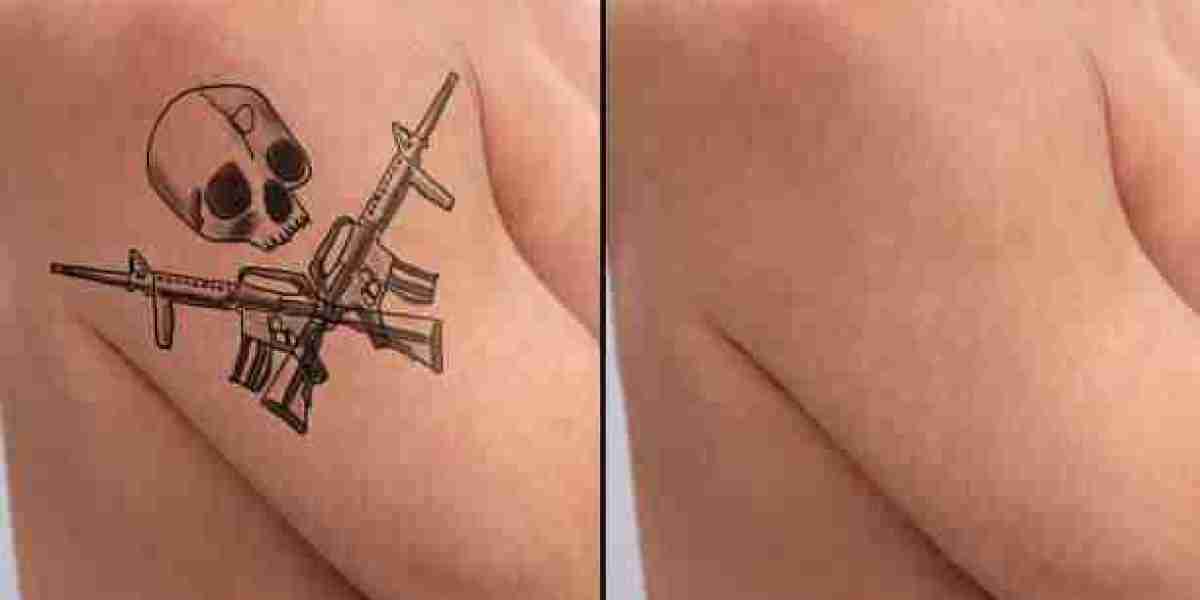

Neck and shoulder tattoos sit in a tricky spot—visible enough to draw attention, yet personal enough to feel like part of your identity. When that identity shifts, however, these high-visibility placements can become a daily source of discomfort. Whether it's a design you've outgrown, a name you'd rather forget, or ink that no longer fits your professional image, Laser tattoo removal in Riyadh offers a reliable path forward.
Why Neck and Shoulder Tattoos Are Unique
The neck and shoulder region presents a distinct set of characteristics that influence both tattooing and removal. The skin here is thinner than on the back or thighs, and it sits close to sensitive structures like the thyroid, lymph nodes, and major blood vessels. This anatomy shapes how laser treatment should be approached.
Shoulder tattoos, meanwhile, cover a relatively broad, muscular area. The skin is thicker than the neck but still mobile, stretching and contracting with every arm movement. This constant motion can affect both ink settling and healing after laser sessions.
Visibility is the other defining factor. Unlike a ribcage or hip tattoo, neck and shoulder ink can be difficult to conceal. For many people, this visibility is precisely why they want it gone—and why they want the process handled carefully and discreetly.
How Laser Treatment Works in These Areas
The fundamental process remains the same as anywhere else on the body. The laser penetrates the skin, shatters tattoo ink into microscopic fragments, and your immune system gradually flushes those particles away over the following weeks.
What changes is the technique. Providers typically use smaller spot sizes and more precise handpieces when working on the neck, simply because the treatment area is narrower and the margin for error is tighter. On the shoulder, larger spot sizes can cover more ground efficiently, though care is still needed around the collarbone and shoulder blade edges where skin is thinner.
Ink color and density still drive wavelength selection. Black and dark blue ink respond best, while lighter or mixed colors may require additional laser types and more sessions.
Circulation and Fading Speed
Here's some encouraging news for anyone with shoulder ink: the shoulder has reasonably good blood circulation, which supports efficient ink clearance. Neck tattoos sit in a similar range, aided by the dense vascular network in the head and neck region.
That said, neither area clears as quickly as the torso or upper arm. Expect meaningful fading within the first three to five sessions, with most tattoos requiring somewhere between six and twelve treatments for substantial clearance. Dense, saturated pieces may need more.
Skin Sensitivity and Pain Considerations
The neck is one of the more sensitive areas for laser treatment. The skin is thin, nerve endings are plentiful, and the proximity to the jaw and collarbone can make discomfort more noticeable. Shoulder treatment tends to be more tolerable, though the bony edges of the shoulder blade and collarbone can feel sharper.
Most reputable clinics apply topical numbing cream before treatment and may use cooling devices during the session to manage discomfort. Sessions are typically short—often under fifteen minutes for a moderate-sized piece—which keeps the experience manageable.
Protecting Delicate Structures
Safety around the neck deserves specific attention. Providers shield the eyes thoroughly, since laser light can be hazardous even at a distance. The thyroid gland sits in the lower neck, and while laser energy doesn't penetrate deeply enough to affect it, careful technique avoids unnecessary exposure.
Lymph nodes in the neck and armpit region are part of the immune system that clears ink particles. There's no evidence that laser tattoo removal harms them, but providers stay mindful of the anatomy when planning treatment zones.
Preparing for Treatment
A few practical steps improve your experience:
Avoid sun exposure for at least four weeks before your session. Tanned or burned skin reacts more unpredictably.
Skip necklaces, chains, and tight collars on treatment day. Metal can interfere with laser equipment.
Come with clean skin. No lotions, perfumes, or makeup on the treatment area.
Arrange your schedule so you can avoid intense workouts and heavy sweating for a few days afterward.
Wear loose, comfortable clothing that won't rub against the treated area on the way home.
Aftercare Specific to Neck and Shoulder
Healing in these locations comes with its own practical challenges:
Friction from clothing is a real concern. Collars, straps, and bag handles can irritate healing skin. Choose soft, loose fabrics during recovery.
Sun exposure is harder to avoid on the neck and shoulder than on covered body parts. Apply broad-spectrum sunscreen diligently once healing permits, and consider wide-brimmed hats.
Movement affects the shoulder area. Avoid heavy lifting, overhead reaching, and intense upper-body workouts for several days after each session.
Sleep position may need adjustment. Side sleepers with shoulder tattoos might find sleeping on the opposite side more comfortable during the first few nights.
Don't pick or scratch at scabbing or flaking skin. Let it shed naturally to reduce scarring risk.
Setting Realistic Expectations
Complete removal is achievable for many neck and shoulder tattoos, particularly those done in black ink. However, some faint ghosting may remain, especially in densely saturated areas. Many patients find that significant fading is enough—whether to reduce visibility, prepare for a cover-up, or simply soften a design they no longer love.
Treatment sessions are spaced six to eight weeks apart to allow full healing and give your immune system time to clear shattered ink. Rushing the schedule doesn't speed results and increases the risk of complications.
Book Your Appointment Today
Ready to fade an unwanted neck or shoulder tattoo? Royal Clinic Saudi offers professional Laser tattoo removal in Riyadh with careful, anatomy-aware treatment plans for visible and sensitive areas. Their experienced team can assess your tattoo and guide you through every stage.
Book your consultation with Royal Clinic Saudi today and take the first step toward skin you feel confident showing.
FAQs
Are neck tattoos harder to remove than shoulder tattoos?
Both areas clear at a moderate pace. The neck has thinner, more sensitive skin, while the shoulder has slightly better circulation. Neither is significantly harder to treat than the other.
Is laser tattoo removal on the neck painful?
The neck is a sensitive area, but numbing cream and cooling devices make the process manageable. Sessions are short, often lasting under fifteen minutes.
How many sessions will my neck or shoulder tattoo need?
Most tattoos in these areas require six to twelve sessions, though dense or multicolored pieces may need more. Significant fading usually appears within the first few treatments.
Can I wear a shirt collar or strap over the treated area afterward?
It's best to avoid friction during the first few days of healing. Choose loose, soft clothing and keep straps away from the treated skin until it has recovered.