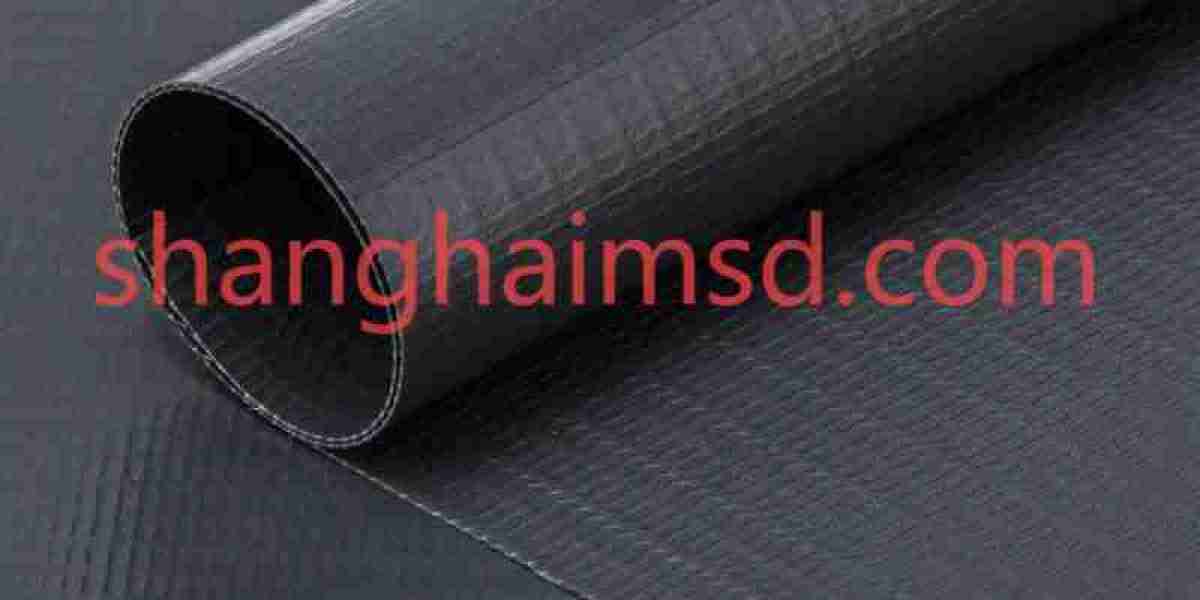

When printed graphics need a flexible surface that can adapt to different applications, PVC Printing Film can provide a useful foundation, while ShanghaiMsd offers material solutions for businesses involved in signage, decoration, advertising, packaging, and visual communication. The relationship between film and printed artwork is important because the material can influence how a design is produced, displayed, handled, and integrated into its surroundings. Choosing an appropriate film can therefore become part of the creative process rather than simply a technical step.
Printed materials are often expected to communicate quickly. A storefront graphic, decorative panel, promotional image, product label, or interior display may need to combine clear visual expression with convenient processing. Flexible film can support these requirements by providing a surface that can be printed, cut, laminated, mounted, or converted according to the needs of a particular project.
One useful characteristic of flexible film is its ability to work with different design formats. Flat graphics can be transformed into wall decorations, window graphics, signs, display elements, or other visual features. This gives designers room to think beyond traditional printed sheets and consider how graphics can interact with furniture, walls, retail structures, vehicles, and promotional spaces.
Surface selection deserves careful attention. Different projects may require a glossy, matte, transparent, or specially finished appearance. The visual effect of the surface can influence how colors, photographs, typography, and illustrations are perceived. A reflective finish may create a lively presentation, while a softer surface can provide a more restrained visual character. The choice should be guided by the environment and the intended communication style.
Printing compatibility is another important consideration. Depending on the material formulation and production requirements, manufacturers may evaluate different large-format printing methods before beginning a project. Ink adhesion, surface treatment, drying behavior, image clarity, and finishing requirements can all influence the final result. Discussing these factors in advance can help designers select a material that fits the planned workflow.
Durability and handling should also be considered according to the application. A temporary indoor display may have different requirements from a graphic intended for a more demanding environment. Exposure to light, moisture, temperature changes, friction, and repeated handling can affect material selection. Understanding where and how a printed graphic will be used allows manufacturers to make more suitable choices.
For retail and interior decoration, printed film can become part of the atmosphere of a space. Wall graphics can introduce color and imagery without requiring permanent structural changes. Window applications can communicate promotions or create decorative effects, while printed surfaces can help connect different areas of a store through a consistent visual theme.
Vehicle graphics represent another creative direction. Flexible printed materials can be shaped and applied to suitable surfaces, allowing businesses to transform transportation equipment into mobile communication spaces. Careful preparation and installation remain important, particularly where curves, edges, or frequent outdoor exposure are involved.
Packaging and product presentation can also benefit from flexible printed surfaces. Graphics may be used to communicate product information, decorative themes, brand elements, or seasonal messages. The film becomes part of a broader visual system in which color, typography, imagery, and physical form work together.
From a production perspective, material planning can help avoid unnecessary adjustments. Designers, printers, converters, and installers can consider the complete workflow before production begins, including printing, cutting, mounting, lamination, storage, and installation. This approach allows the material to support the project from the first artwork concept through to the finished display.
Creative printing is ultimately about giving ideas a physical presence. The right film does not replace good design; it provides a workable surface that allows good design to travel into real spaces. When material characteristics and visual concepts are considered together, there is more room to develop graphics that feel purposeful and relevant.
Your next graphic project may begin with an image, a color palette, or simply an idea that has not yet found its surface. Visit https://www.shanghaimsd.com/product/ and take a closer look at the material possibilities waiting behind your next print concept. The blank surface is already there—what you place on it is where the story begins.