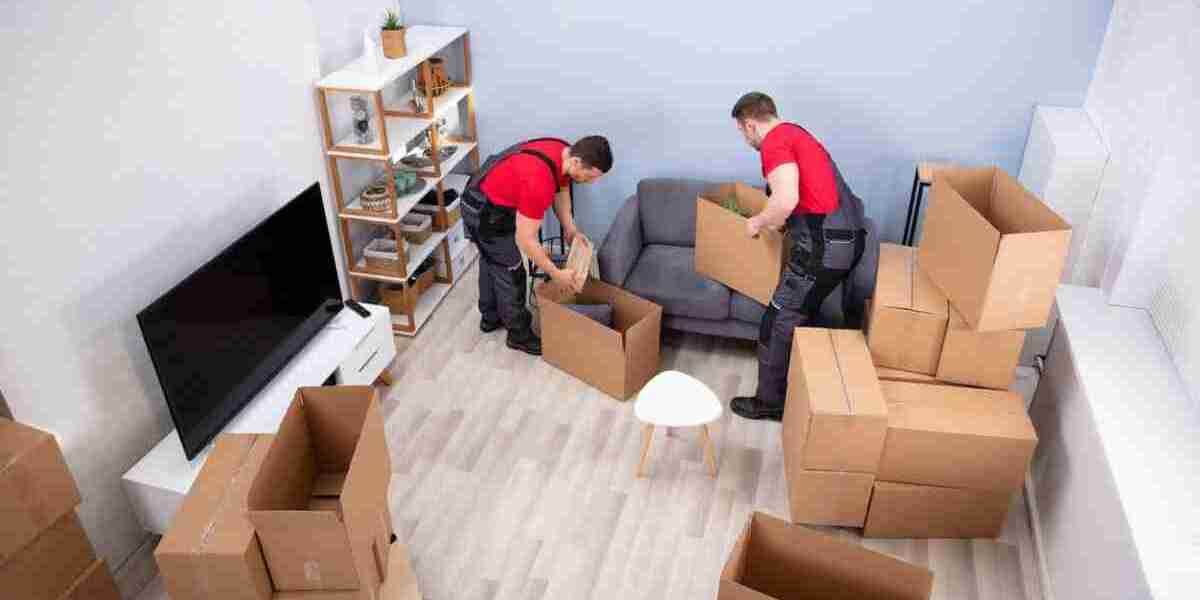

Moving from one home to another involves more than transporting furniture and boxes. Packing, sorting, scheduling, loading, transportation, and unloading all need to work together. Residential Moving becomes easier to manage when these tasks are planned before moving day. Start by creating a simple timeline that gives you enough time to organize belongings, prepare furniture, arrange transportation, and get the new property ready. A practical schedule can also leave room for unexpected delays and give you a clearer idea of what needs to be completed at each stage.
Sort Household Belongings Before Packing
A home relocation provides a useful opportunity to review everything you own. Clothing, books, kitchenware, furniture, electronics, decorations, and other household possessions should be separated into items you plan to keep and those you no longer need. Residential Moving can involve less work when unnecessary belongings are removed before packing begins. Items that are still useful can be donated or sold, while damaged or unusable possessions may be recycled or discarded. Reducing the moving load can make packing, transportation, and unpacking easier.
Organize Packing Room by Room
Packing several rooms at the same time can quickly become confusing. Instead, work through one area at a time and keep belongings grouped according to their destination. During Residential Moving in West Park, clearly labeled boxes can make the unloading process much easier because each container already has an assigned location. Use suitable boxes for different types of possessions and provide additional protection for fragile items. Avoid overfilling containers, especially with heavy belongings. A room-by-room packing approach also makes it easier to track progress and identify anything that still needs to be prepared.
Protect Fragile Household Items
Glassware, mirrors, artwork, electronics, dishes, and decorative items require additional care during transportation. Proper cushioning can reduce movement inside boxes and provide protection from bumps during handling. Residential Moving should include careful preparation of fragile belongings so they are not placed beneath heavy objects or packed into unsuitable containers. Marking boxes that contain delicate possessions can also make handling more organized. Keeping valuable or especially important items separate may provide additional peace of mind and make them easier to locate immediately after reaching the new home.
Prepare Furniture for the Move
Large furniture can present challenges when moving through doorways, hallways, staircases, and elevators. Beds, tables, desks, cabinets, shelves, and other bulky pieces may need partial disassembly before transportation. During Residential Moving, small screws, bolts, and other hardware should be stored in labeled bags and kept with the appropriate furniture. Measuring large items and narrow access points ahead of time can reveal potential problems before moving day. Protective coverings may also be used to reduce scratches and marks on furniture surfaces while pieces are being carried and transported.
Keep Important Items With You
Some belongings should remain accessible instead of being placed deep inside the main collection of moving boxes. Important documents, medication, chargers, toiletries, basic clothing, keys, personal electronics, and other daily necessities may be needed shortly after arrival. During Residential Moving, keeping these items in a separate essentials bag or container can prevent unnecessary searching later. The essentials should remain easy to identify and should travel with you whenever practical. Having immediate access to basic necessities can make the first hours in the new home much more comfortable.
Prepare the Property for Moving Day
Both the old and new properties should be prepared before loading and unloading begins. Clear pathways, accessible doorways, and open working areas can make it easier to move large belongings without unnecessary obstacles. Residential Moving can become more organized when furniture routes have already been considered and rooms are ready to receive boxes. Protecting busy floor areas may also help reduce marks during repeated movement. At the destination, deciding where major furniture should go can save time and reduce the need to repeatedly move heavy pieces.
Load Household Belongings Carefully
The order and arrangement of items inside a moving vehicle can affect how safely belongings travel. Heavy furniture and sturdy boxes should be positioned to provide a stable base, while fragile possessions need suitable protection. During Residential Moving, boxes should not be arranged in a way that places excessive pressure on delicate items. Keeping labels visible can also make unloading easier because containers can be directed to the correct rooms. A well-organized load makes better use of available space and creates a clearer process when belongings reach the destination.
Unload and Unpack With a Priority List
Once everything reaches the new property, avoid opening every box at once. Begin with the rooms and belongings that are needed immediately, such as the bedroom, bathroom, and kitchen. Home Moving in West Park becomes less overwhelming when boxes are placed in their intended rooms during unloading. Keep packing materials together while unpacking so they can be removed after the process is complete. Working through one room at a time can prevent clutter from spreading throughout the property and make it easier to create usable living areas.
Settle Into the New Home Step by Step
The relocation process does not end when the last box enters the house. Furniture still needs to be positioned, household items need to be organized, and remaining boxes should be unpacked according to daily priorities. Residential Moving can be a smoother experience when preparation continues through the final stage of settling in. Taking time to organize one area before moving to the next can reduce stress and create a stronger sense of order. With careful sorting, thoughtful packing, safe handling, and an organized unpacking plan, moving into a new home can become a more manageable and positive experience.