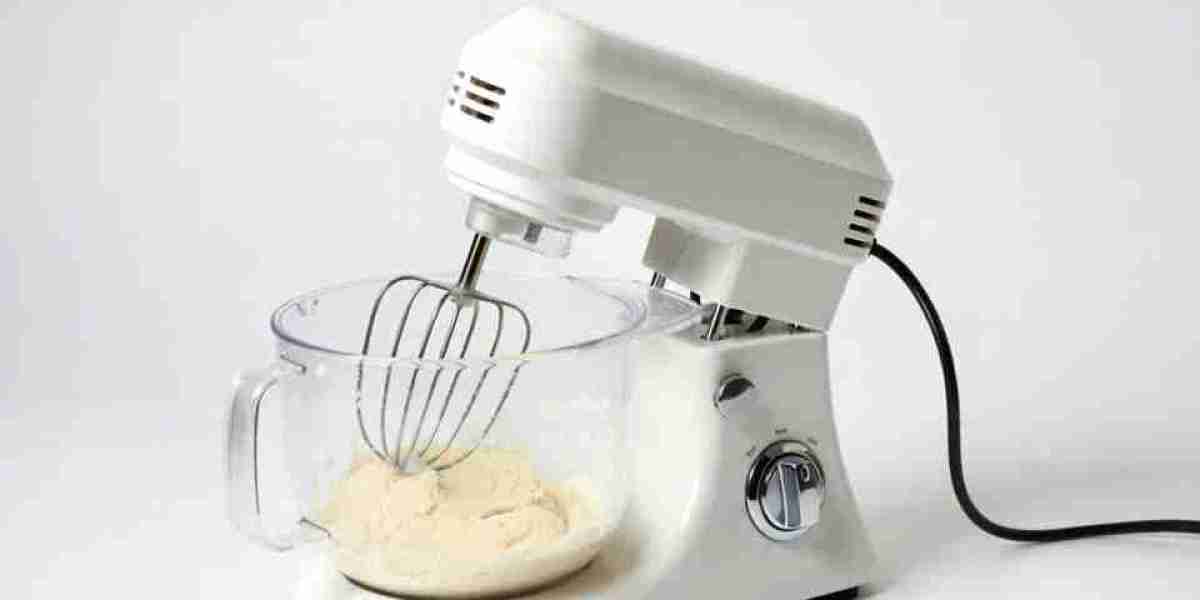

Home baking has seen a quiet but meaningful resurgence, and with it comes a renewed interest in tools that make the process more enjoyable and less physically demanding. The Haiou Electric Dough Mixer Machine has become a conversation starter among home cooks who want to bring a professional feel to their everyday kitchen routines. Whether you are kneading bread dough on a lazy weekend morning or preparing fresh pasta for a dinner gathering, having the right machine changes the entire experience.
An electric dough mixer is a countertop appliance designed to automate the kneading and mixing process that would otherwise require considerable hand strength and time. The motor-driven mechanism rotates a mixing attachment through the dough, developing gluten and creating a smooth, elastic texture. This consistency is difficult to achieve by hand, especially for beginners who may not yet have the feel for when dough has been worked enough.
For someone new to pasta making, the sheer variety of machines on the market can feel overwhelming. The first thing to consider is capacity. A smaller bowl works well for one or two servings, while a larger capacity suits families or those who like to batch cook. Most beginners benefit from starting with a mid-range bowl size that gives flexibility without taking up excessive counter space.
Motor power is another factor worth thinking through carefully. A machine with sufficient torque handles thick pasta doughs and dense bread mixtures without struggling or overheating. Weaker motors can strain when faced with stiff doughs, shortening the lifespan of the appliance. For pasta specifically, a motor that runs quietly and steadily tends to produce more evenly mixed results.
Attachment variety adds real value for beginners. A machine that comes with multiple hooks and paddles opens the door to experimenting with different dough types. The dough hook is standard for bread and pasta, while a flat beater works well for lighter batters. Some machines also include a whisk attachment, making them versatile tools for a range of recipes beyond just pasta.
Ease of cleaning is often underestimated by first-time buyers. Removable bowls and dishwasher-safe attachments reduce the friction that comes after the fun of cooking. A machine that is difficult to clean tends to get used less, which defeats the purpose of the investment.
Speed settings matter more than many people initially realize. Variable speeds allow you to start slow, incorporating flour without sending it flying, then increase to develop the dough properly. A single-speed machine can work, but multiple settings give you more control over the final texture.
Stability on the counter is a practical concern, especially during high-speed mixing. Non-slip feet and a heavier base keep the machine grounded when dealing with stiff doughs that create significant resistance.
Finally, consider how the machine looks and feels in your kitchen. Appliances that blend into the space tend to stay out on the counter, which means they get used more regularly. A machine that gets tucked away in a cupboard rarely becomes part of a daily or weekly routine.
Choosing a pasta machine is less about finding a flawless product and more about matching the machine to your actual habits and kitchen setup. Beginners who focus on capacity, motor reliability, and ease of cleaning will find the transition from hand mixing to machine mixing genuinely satisfying. Explore available options at https://www.cnhaiou.com/product/ and ask yourself which features align with the kind of cooking you actually want to do.