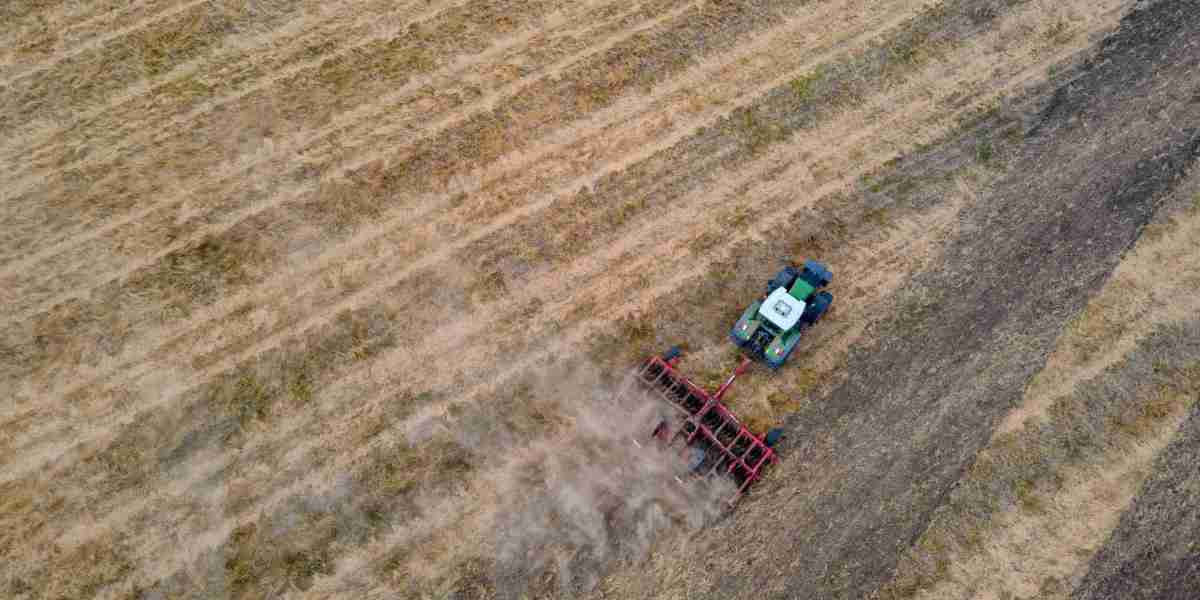

The Cotton Seed for Sowing Market is closely connected with the continuing transformation of agricultural practices. Cotton growers are increasingly looking for planting solutions that fit their individual cultivation environments and long-term farming objectives. As agriculture becomes more technology-oriented and sustainability receives greater attention, seed selection is becoming an important part of farm planning. The market is therefore developing around changing expectations related to adaptability, crop management, environmental responsibility, and cotton quality.
The increasing interest in advanced cotton sowing seed solutions highlights the importance of innovation within cotton cultivation. Farmers may look for seed options that are compatible with their soil, climate, water conditions, cultivation practices, and production goals. This creates a need for seed solutions that can address different agricultural environments. Innovation in seed development can help the industry respond to these diverse requirements while supporting farmers in their planting decisions.
Modern agriculture is increasingly based on planning and informed decision-making. Cotton cultivation requires preparation before planting, including soil management, field organization, seed selection, and crop scheduling. When these activities are considered together, farmers can create a more structured cultivation strategy. Seed selection becomes part of a larger agricultural process rather than an isolated purchasing decision.
Environmental considerations are also shaping the direction of cotton farming. Growers are becoming more aware of the importance of managing soil, water, and other farm resources responsibly. Sustainable cultivation practices can influence decisions throughout the crop cycle, including the selection of planting material. This creates opportunities for seed producers to develop products that align with changing expectations around responsible agriculture.
Another important factor is the diversity of cotton-growing environments. Farms may experience different climatic patterns, soil characteristics, water conditions, and cultivation challenges. A seed option that works well under one set of conditions may not be appropriate for another. This encourages greater attention toward seed characteristics and local suitability. The market can benefit from solutions designed for different farming environments and production objectives.
Innovation is also connected with agricultural research. Research and development can support the improvement of cotton seed characteristics and cultivation practices. As knowledge about plant genetics, agricultural science, and crop management expands, seed developers can explore new approaches to support farmers. Research can also help the industry understand how seed characteristics interact with environmental conditions and farming methods.
Digital agriculture is another area influencing the market. Farmers increasingly have access to tools that can support field observations and crop management. Digital platforms can help organize information about planting schedules, field conditions, and crop activities. Combining this information with seed selection can create a more connected approach to farm management.
The importance of cotton quality provides another reason for continued innovation. Cotton eventually enters a wide range of textile and industrial applications, creating expectations around the characteristics of harvested fiber. Farmers may therefore consider seed selection in relation to their intended production goals. This connection between farm-level decisions and downstream requirements can encourage greater attention toward quality-oriented cultivation.
Education is also essential for supporting innovation. New seed technologies and cultivation approaches are useful only when farmers understand how they relate to their farming conditions. Agricultural training, field demonstrations, product information, and practical guidance can help growers make more informed choices. Stronger communication between seed producers and farming communities can support the adoption of suitable planting practices.
The market also has opportunities to serve different categories of growers. Large commercial farms may have different requirements from smaller agricultural operations. Some growers may prioritize efficiency, while others may focus on sustainable cultivation or specialized cotton production. This diversity can encourage seed suppliers to develop a broader range of solutions.
As agriculture continues to evolve, innovation in cotton seed development can remain an important market theme. Farmers are seeking practical answers to changing environmental and production conditions, while seed developers are exploring ways to respond to those needs. The future of the Cotton Seed for Sowing Market can therefore be influenced by the combination of agricultural research, sustainability, digital tools, farmer education, and field-specific seed selection.
FAQs
FAQ 1: What role does innovation play in cotton seed development?
Innovation can help seed developers address changing farming conditions and create planting solutions suited to different agricultural environments and cultivation objectives.
FAQ 2: How can farmers make more informed seed decisions?
Farmers can consider their local growing conditions, soil, water availability, cultivation practices, production goals, and available agricultural guidance before selecting seed.