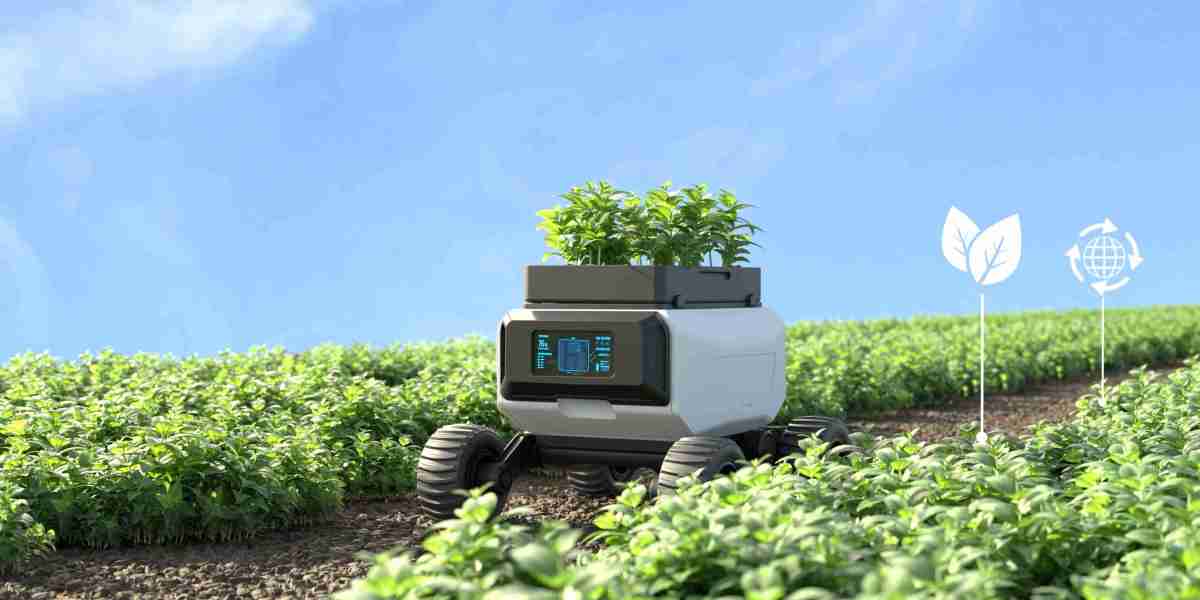

The global smart garden industry is experiencing significant transformation as technology continues changing the way people approach gardening, plant care, and home landscaping. Increasing urbanization, limited outdoor spaces, and growing interest in sustainable lifestyles are encouraging consumers to adopt intelligent gardening solutions. Smart garden systems combine automation, digital monitoring, and advanced gardening technologies to simplify plant maintenance while improving efficiency. These solutions are becoming increasingly popular among urban residents, gardening enthusiasts, and environmentally conscious consumers who want to maintain greenery despite space and time limitations.
A major factor supporting this development is the rising adoption of automated home gardening solutions that allow users to monitor and manage plants through connected devices. These solutions include smart irrigation systems, automated lighting, plant sensors, and digital control platforms that help optimize plant growth conditions. By reducing manual effort and improving resource management, intelligent gardening technologies are attracting consumers seeking convenient and efficient ways to grow plants at home.
The expansion of urban living is one of the strongest factors influencing the adoption of smart gardening solutions. As cities become more crowded, many people have limited access to traditional gardens and outdoor spaces. Smart garden systems provide an opportunity to grow plants indoors, on balconies, rooftops, and compact residential areas. This flexibility allows urban consumers to experience gardening without requiring large spaces or extensive knowledge.
The increasing focus on sustainable living is also contributing to the growth of connected gardening solutions. Consumers are becoming more aware of environmental issues and are looking for ways to reduce resource consumption in their daily activities. Smart garden technologies help optimize water usage, reduce waste, and support efficient plant care practices. These benefits align with growing consumer interest in eco-friendly lifestyles and responsible resource management.
Technological advancements are playing an important role in improving smart garden performance. Modern systems are integrating sensors, mobile applications, artificial intelligence, and automated controls to provide real-time information about plant conditions. These technologies allow users to monitor moisture levels, lighting requirements, and environmental factors that influence plant health. The ability to receive alerts and recommendations makes gardening easier for both beginners and experienced users.
The popularity of indoor gardening is another factor driving demand for smart solutions. Many consumers are interested in growing herbs, vegetables, and decorative plants inside their homes. Smart garden systems provide controlled environments that support plant growth throughout the year, regardless of external weather conditions. This capability is especially valuable for individuals living in apartments or regions with challenging climates.
The growth of home improvement activities has also supported interest in smart garden products. Consumers are increasingly investing in creating comfortable, attractive, and functional living spaces. Indoor plants, vertical gardens, and automated plant care systems are becoming popular elements of modern home design. Smart gardening technologies complement these trends by offering convenience and improved plant maintenance.
The influence of digital connectivity is further transforming consumer experiences. Mobile applications connected with smart garden systems allow users to control settings, monitor plant conditions, and access gardening recommendations remotely. This integration of technology and lifestyle is making gardening more accessible to people who may not have traditional gardening experience.
The expansion of e-commerce platforms has improved consumer access to smart garden products. Online channels allow customers to explore different solutions, compare features, and purchase advanced gardening equipment from various brands. Digital platforms also provide educational resources that help consumers understand product usage and gardening techniques.
Regional adoption patterns are influenced by urban development, technology acceptance, and environmental awareness. North America and Europe are witnessing strong adoption due to high interest in smart home technologies and sustainable practices. Asia-Pacific is emerging as a promising region because of rapid urbanization, increasing disposable income, and growing awareness of home gardening solutions. Other regions are gradually adopting smart gardening technologies as access to connected devices improves.
Challenges such as product costs, technology complexity, and maintenance requirements remain important considerations. However, continuous innovation is helping manufacturers create more affordable, user-friendly, and efficient solutions. Improvements in design and connectivity are expected to encourage broader adoption among different consumer groups.
The future of smart garden solutions will be shaped by continued technological development, sustainability priorities, and changing lifestyles. As consumers seek convenient ways to maintain greenery in limited spaces, intelligent gardening systems are expected to become an increasingly important part of modern homes. Companies that focus on innovation, accessibility, and environmentally responsible designs will be better positioned to meet future consumer expectations.
FAQs
Q1. What is a smart garden system?
A smart garden system uses technology such as sensors, automation, and digital controls to simplify plant care.
Q2. Why are smart gardens becoming popular in urban areas?
They allow people to grow plants in limited spaces such as apartments, balconies, and indoor environments.
Q3. How do smart gardens support sustainability?
They help optimize water usage, reduce waste, and improve resource efficiency through automated management.
Browse More Reports
| warehouse club market |
| table tennis shoes market |
| waterparks attractions market |