
A house extension in Camden offers a practical way to expand living space without moving home. Camden is known for its dense urban layout and period properties. Many homeowners choose to extend instead of relocating due to high property prices and limited housing availability in London.
A well-planned extension can improve comfort, functionality, and long-term property value. It also allows homeowners to redesign their space according to modern living needs. However, successful construction requires careful planning, compliance with UK regulations, and thoughtful design choices.
This guide explains the key aspects of planning and building a house extension in Camden, including design options, permissions, costs, and construction stages.
Understanding House Extensions in Camden
What a house extension means
A house extension refers to expanding the existing structure of a home. This can involve adding space to the rear, side, front, or even upwards through loft conversions. In Camden, extensions often focus on improving internal layouts while preserving the character of the original building.
Why Camden homes are commonly extended
Many properties in Camden are Victorian or Edwardian terraces. These homes often have compact kitchens, small living areas, and unused side spaces. Extensions help modernise these layouts while maintaining architectural heritage.
Benefits of extending your home
A house extension offers several advantages. It increases usable space, improves daily functionality, and enhances property value. It also avoids the disruption and cost of moving to a new home in London.
Popular Types of House Extensions in Camden
Rear extensions
Rear extensions are built at the back of the property and often extend into the garden area. They are commonly used to create larger kitchens or open-plan living spaces. This type of extension works well for family homes.
Side return extensions
Side return extensions use narrow alley spaces found beside terraced houses. In Camden, this is a popular option because it improves ground floor space without reducing the garden significantly.
Double-storey extensions
A double-storey extension adds extra rooms on both the ground and upper floors. This option is suitable for homeowners who need additional bedrooms or bathrooms while maximizing space efficiency.
Loft conversions
Loft conversions use the roof space to create new rooms. These are ideal for adding bedrooms, offices, or storage without altering the footprint of the house.
Planning Permission and Regulations in Camden
When planning permission is required
Not all extensions require full planning permission. Some fall under permitted development rights. However, in Camden, many properties require approval due to conservation rules and design restrictions.
Conservation area considerations
Camden contains several conservation areas that protect historic architecture. If your property is located in one, stricter design guidelines apply. The extension must match the character of the surrounding buildings.
Building regulations compliance
All house extensions must meet UK building regulations. These rules ensure safety, structural integrity, insulation, fire protection, and ventilation standards are followed.
Party wall agreements
If your home shares walls with neighbours, you may need a party wall agreement. This legal process ensures construction work does not negatively affect adjoining properties.
Design Principles for Camden House Extensions
Maximising natural light
Natural light plays an important role in modern home design. Large windows, skylights, and glass doors are often used to brighten interiors and create a spacious feel.
Creating open-plan layouts
Open-plan living is a popular design trend in Camden homes. It combines kitchen, dining, and living areas into one continuous space, improving flow and usability.
Blending old and new architecture
Camden homes often have historical features. A successful extension should complement the original structure while introducing modern design elements.
Energy efficiency in design
Energy-efficient materials and insulation help reduce long-term energy costs. Double glazing and sustainable building materials are commonly used in modern extensions.
Cost Factors for House Extension in Camden
Size and complexity of the project
The total cost depends heavily on the size of the extension. Larger or more complex designs require more materials and labour, increasing overall expenses.
Type of extension chosen
Rear extensions are usually more affordable compared to double-storey or wrap-around designs. Loft conversions also vary depending on structural requirements.
Labour and material costs in London
Construction costs in Camden are higher than many other parts of the UK. This is due to increased labour rates and material expenses in London.
Unexpected expenses
Homeowners should plan a contingency budget for unexpected issues such as structural adjustments or planning changes during construction.
Construction Process of a House Extension
Initial planning and design
The process begins with design planning. Homeowners work with designers or architects to create layouts that match their needs and budget.
Approval and documentation
Once the design is ready, planning permission and building regulation approval are obtained if required. This step ensures legal compliance.
Site preparation and foundation work
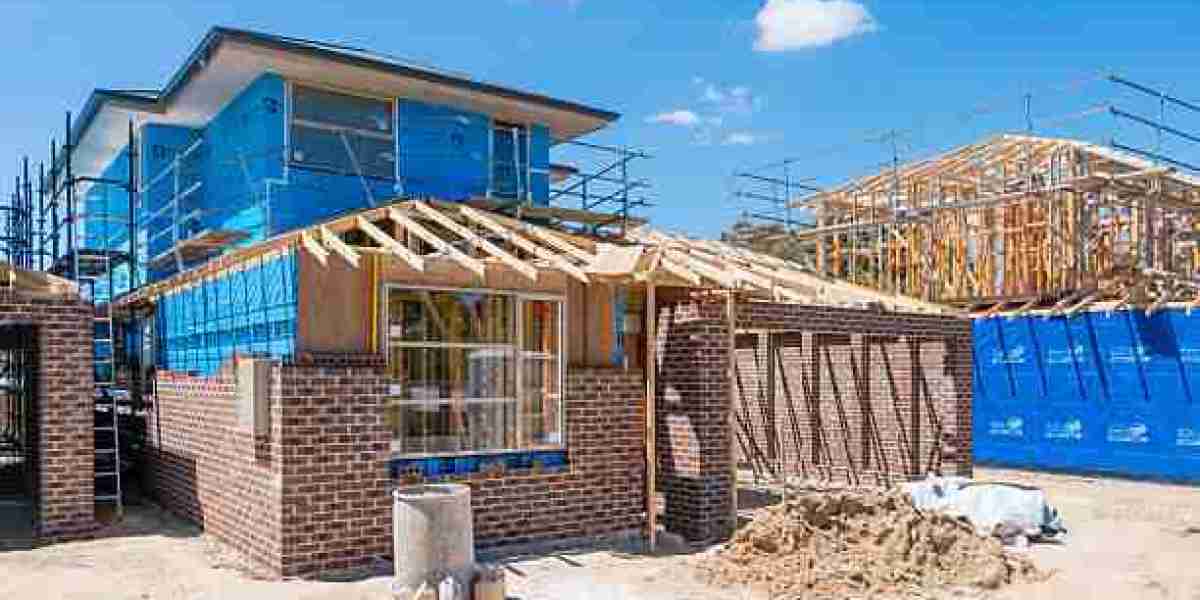
Construction begins with site clearance and foundation laying. This stage is crucial for structural stability.
Building structure and roofing
After foundations, the main structure is built, followed by roofing. This stage defines the shape and size of the extension.
Internal finishing and installation
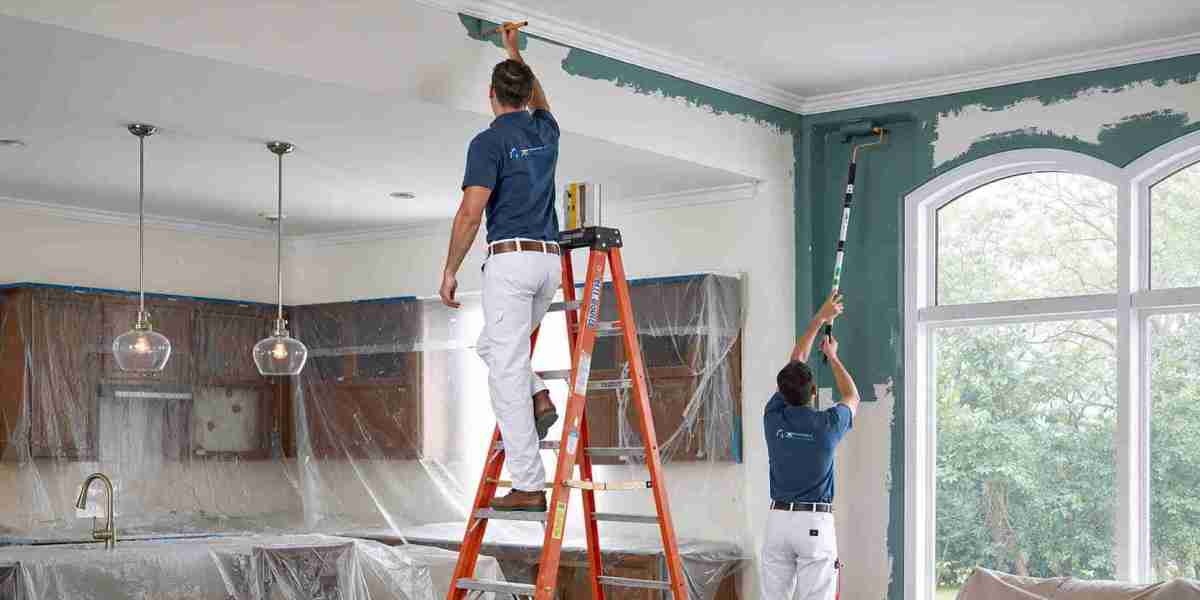
The final stage includes electrical work, plumbing, insulation, plastering, flooring, and painting.
Challenges of House Extensions in Camden
Limited space in urban areas
Camden properties often have limited outdoor space, making extension planning more challenging.
Strict planning rules
Local planning regulations can restrict design options, especially in protected areas.
Managing construction disruption
Construction work can cause temporary disruption to daily life and neighbouring properties.
Budget control issues
Costs may increase if the project is not carefully managed or if changes are made during construction.
Tips for a Successful House Extension in Camden
Plan thoroughly before starting
Clear planning helps avoid delays and unexpected costs during construction.
Understand local regulations
Knowledge of Camden planning rules helps prevent approval issues.
Focus on functional design
A good extension should improve usability and daily living comfort.
Choose long-term solutions
Select durable materials and energy-efficient designs for long-term benefits.
Conclusion
A house extension in Camden is a valuable investment for homeowners seeking more space and improved living conditions. With proper planning, design consideration, and compliance with UK regulations, it is possible to create a functional and modern home extension.
Whether you choose a rear extension, side return, or loft conversion, careful preparation ensures a smooth construction process and a successful outcome.