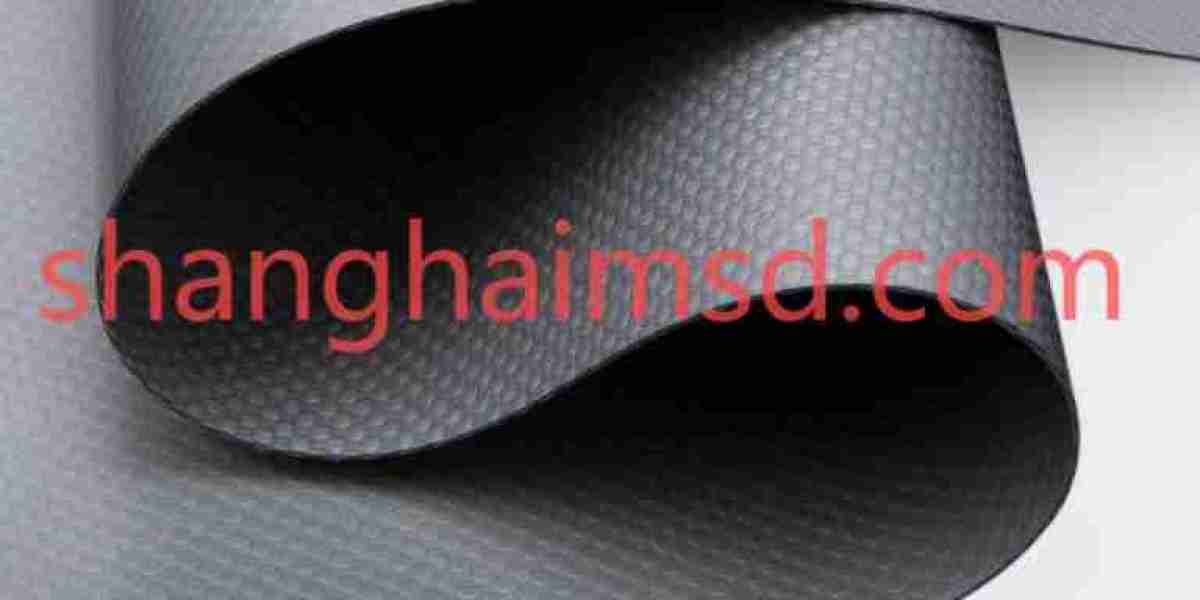

Visual design today is closely connected to atmosphere creation. Commercial interiors, exhibitions, and branded environments increasingly rely on materials that interact with lighting in visually engaging ways. Within this evolving market, Printable Translucent Film has become associated with decorative graphics and illuminated display concepts. ShanghaiMsd participates in this creative landscape by offering material solutions suited for advertising, interior decoration, and modern visual presentation.
Light has become an important design element across commercial spaces. Retail stores, restaurants, exhibition halls, and entertainment venues frequently use illuminated graphics to shape customer experiences. Instead of depending only on standard signage, businesses now integrate lighting and printed visuals together to create layered environments that feel more immersive and visually connected.
This trend reflects broader changes in branding strategies. Companies increasingly focus on emotional atmosphere and spatial identity rather than simple product presentation. Decorative materials capable of diffusing light or supporting illuminated graphics contribute to these goals by helping spaces feel more dynamic. Soft lighting effects combined with customized imagery can influence how visitors interact with commercial environments.
Modern printing technology has also expanded creative possibilities. Designers now produce detailed graphics with complex textures, artistic gradients, and layered visual effects suitable for illuminated displays. As customization becomes more important in advertising and decoration, printable translucent surfaces provide additional flexibility for visual experimentation. This allows creative teams to combine lighting concepts with branded storytelling more efficiently.
Retail environments remain one of the most active application areas. Window displays, illuminated wall graphics, suspended decorative panels, and backlit promotional signs frequently appear in shopping centers and commercial districts. Businesses often update these visuals according to seasonal campaigns or changing product themes, creating demand for materials that support adaptable installation and visual variety.
Temporary commercial architecture has further expanded material usage. Trade fairs, promotional exhibitions, and experiential marketing events require display systems that are visually engaging while remaining practical to install and transport. Lightweight decorative films are commonly associated with these projects because they support changing layouts and customized visual concepts without requiring permanent structural modifications.
Interior decoration trends also continue shifting toward layered design aesthetics. Offices, hospitality spaces, and entertainment venues increasingly incorporate translucent surfaces into partitions, feature walls, and decorative lighting installations. Materials that interact with both natural and artificial lighting help designers create environments that feel more open and visually distinctive. This approach connects decorative surfaces more closely with architectural storytelling.
Digital culture has influenced visual expectations as well. Consumers often encounter commercial spaces through social media photography and online content before visiting in person. Businesses therefore pay greater attention to how lighting and printed visuals appear across different viewing conditions. Decorative materials supporting illuminated graphics can contribute to visually recognizable spaces that attract both physical visitors and digital attention.
Environmental awareness remains part of current material discussions. Many companies now evaluate decorative solutions according to long-term usability, maintenance convenience, and adaptability for repeated campaigns. Materials that allow creative updates without extensive reconstruction may help support more flexible project planning and reduce unnecessary replacement cycles.
As visual communication continues evolving, illuminated graphics and decorative surfaces are expected to remain closely linked to commercial design trends. Creative professionals continue searching for materials that balance atmosphere, customization, and practical installation possibilities across modern environments.
If lighting, graphics, and design inspiration are part of your next creative direction, visit www.shanghaimsd.com and enter a space where visual ideas interact with modern material possibilities.