
Sports injuries are common among athletes, fitness enthusiasts, and even weekend warriors. Whether caused by overuse, sudden impact, or improper technique, injuries can lead to persistent pain that interferes with performance and daily life. The good news is that most sports injury pain can be treated effectively without surgery using advanced pain management techniques.
At the Neurology and Pain Management Clinic (NPMC), Dr. Gautam Arora (MBBS, MD, DM) specialises in non-surgical, evidence-based treatments that help patients recover faster, move better, and return to activity safely.
Understanding Sports Injury Pain
Sports injuries can affect muscles, ligaments, tendons, joints, and nerves. Common conditions include ligament sprains, muscle strains, tendonitis, runner’s knee, tennis elbow, shoulder impingement, and lower back pain. When left untreated or managed improperly, these injuries can become chronic, leading to recurring pain and stiffness.
Pain is often a result of inflammation, tissue damage, or nerve irritation. Treating the root cause—not just the symptoms—is essential for long-term recovery.
Why Surgery Isn’t Always Necessary
Many people assume surgery is the only solution for severe sports injuries. In reality, surgery is usually reserved for fractures, complete tears, or cases where conservative treatments fail. Most sports-related pain responds well to advanced non-surgical pain management, which focuses on healing, restoring mobility, and preventing re-injury.
Avoiding surgery reduces risks, shortens recovery time, and allows athletes to regain strength naturally.
Advanced Non-Surgical Treatment Options
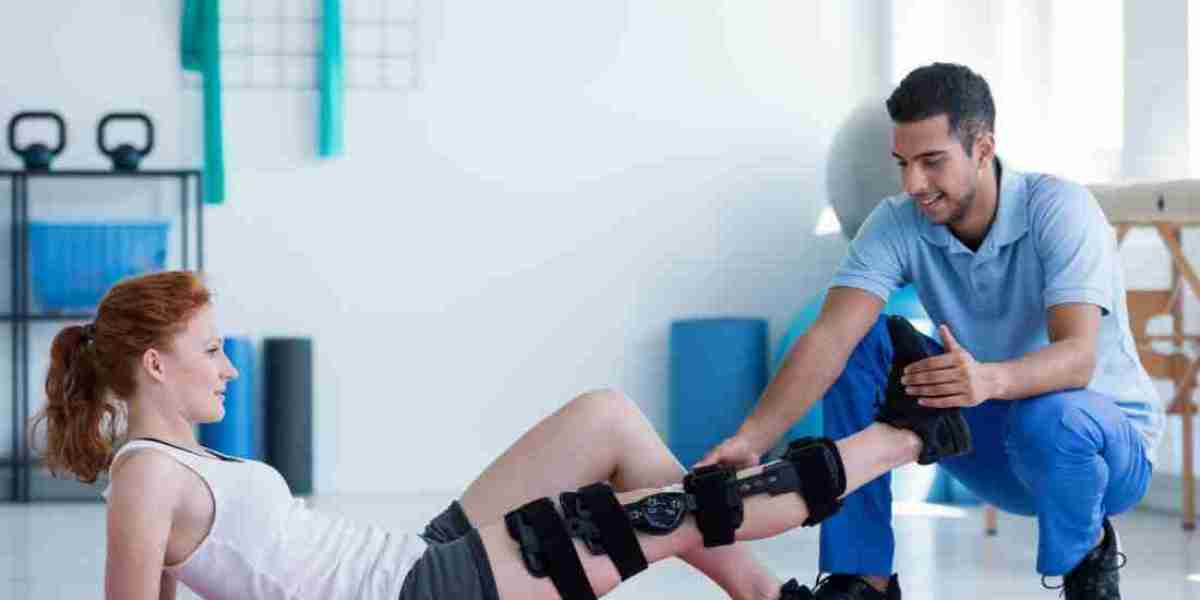
At NPMC, treatment plans are customised based on the type and severity of injury. Options may include targeted medications to control inflammation, specialised physiotherapy to restore movement, and posture or biomechanical correction to prevent future strain.
For persistent or severe pain, image-guided injections, nerve blocks, or trigger point injections can provide targeted relief by reducing inflammation and calming irritated nerves. In certain cases, radiofrequency procedures may be used to provide long-lasting pain control without affecting muscle strength.
These minimally invasive treatments allow faster healing while preserving joint and muscle function.
Rehabilitation and Injury Prevention
Recovery doesn’t end when pain subsides. A structured rehabilitation program helps rebuild strength, improve flexibility, and enhance coordination. This reduces the risk of repeat injuries and improves overall athletic performance.
Lifestyle guidance, proper warm-up routines, and ergonomic advice are also crucial parts of recovery and prevention.
When to Seek Expert Care
You should consult a specialist if you have sports injury pain:
- Persists beyond a few weeks
- Limits movement or performance
- Causes weakness, numbness, or instability
- Keeps returning despite rest or medication
Early expert intervention leads to faster and more complete recovery.
Recover Smarter, Not Harder
Living with sports injury pain doesn’t mean giving up your active lifestyle. With the right diagnosis and advanced non-surgical care, recovery is not only possible—it can make you stronger.
At the Neurology and Pain Management Clinic (NPMC), Dr. Gautam Arora (MBBS, MD, DM) offers comprehensive, personalised pain management solutions to help you heal safely and confidently—without surgery.