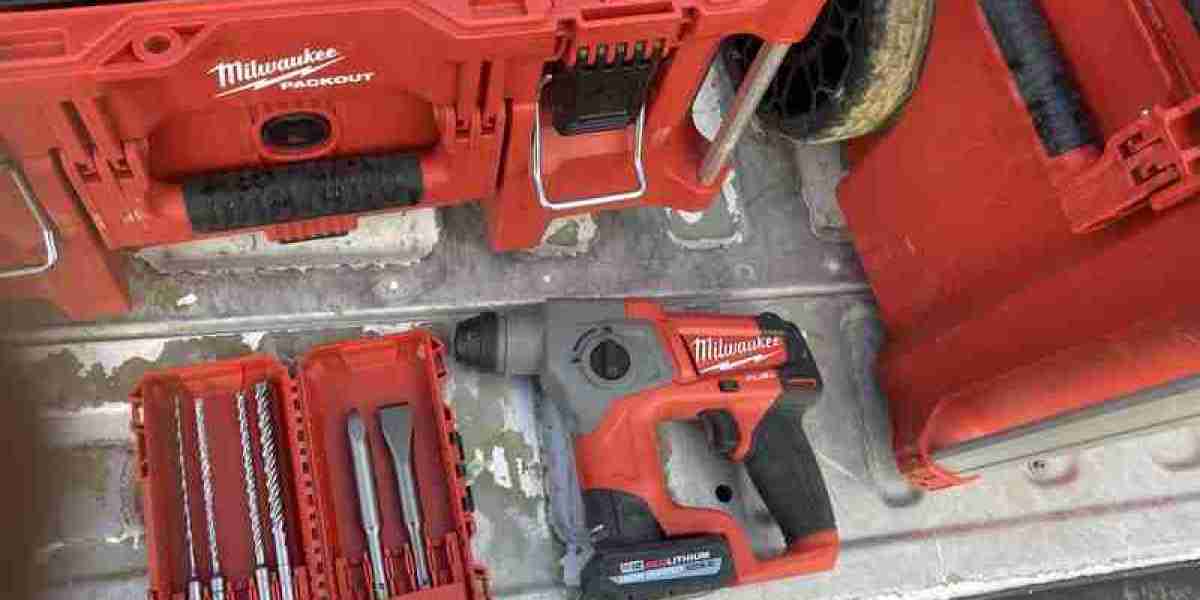

On active construction and renovation sites, the SDS Plus Hammer Drill is often selected for tasks involving masonry and structural surfaces where controlled impact is required. At fangda-tools, the approach to this category centers on how tools integrate into real working environments, supporting routine operations rather than focusing on exaggerated claims. Attention is placed on consistency, adaptability, and how users interact with their equipment over time.
Daily drilling tasks frequently involve changing conditions. Walls, floors, and fixtures may vary in density, composition, and access, requiring tools that respond predictably. A stable drilling system helps operators maintain alignment and pace, especially when moving between repetitive openings and more delicate placements. This predictability supports smoother coordination across different stages of a project.
Tool handling plays a key role in practical performance. When vibration and movement remain manageable, users can focus on positioning and technique rather than constant correction. This contributes to cleaner results and a more controlled workflow, particularly during extended work periods. Over time, such handling characteristics can influence overall productivity and user comfort.
Compatibility within existing tool setups is another important consideration. Many professionals rely on established drilling platforms and accessories, making seamless integration a practical priority. Systems designed to fit standard configurations allow for quicker transitions between tasks and reduce interruptions caused by equipment changes. This flexibility is especially valuable on sites where efficiency depends on coordinated tool use.
Material interaction also shapes drilling outcomes. Masonry and concrete respond differently under impact, and thoughtful design helps manage debris flow and penetration stability. When drilling progresses in a steady manner, surface disruption can be minimized, supporting cleaner finishes and reducing follow-up work. These factors contribute to a more organized and predictable job process.
Beyond immediate performance, informed tool selection reflects a longer-term perspective. Choosing equipment based on application requirements rather than general impressions helps users align their tools with actual project demands. This approach supports consistent results and encourages a more methodical way of working across varied assignments.
As construction practices continue to evolve, expectations around reliability and adaptability remain central. Tools that address everyday challenges without unnecessary complexity can support steady progress and clearer planning. Evaluating options through the lens of real-world use often reveals insights that marketing descriptions alone cannot provide.
For those interested in examining how practical design considerations translate into drilling solutions, a closer look may be worthwhile. Visit https://www.fangda-tools.com/ to explore ideas and tool perspectives that could align with your next project and working style.