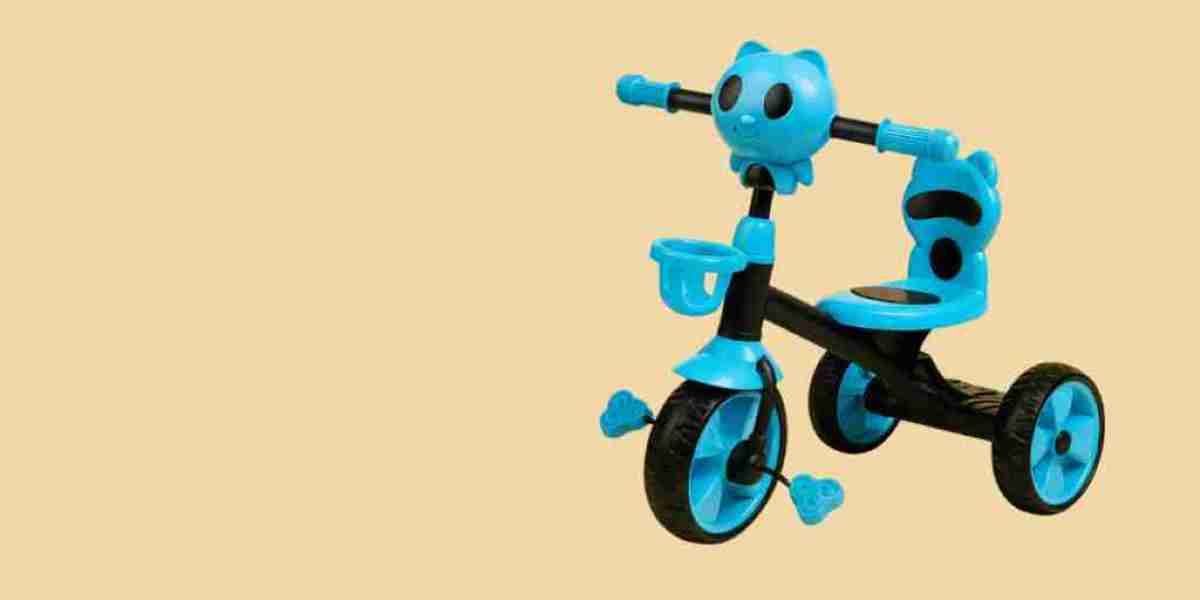

Playtime is a critical part of childhood, and a Cycle for Kids turns it into much more than just fun—it becomes a tool for learning, growth, and development. Cycling combines physical activity, mental focus, and social interaction, offering children an engaging way to build essential skills while enjoying themselves outdoors.
Learning Through Play
A Cycle for Kids transforms ordinary play into a skill-building experience. Pedaling, steering, and balancing require focus and coordination, helping children develop fine and gross motor skills. Every ride teaches them to synchronize movements, navigate spaces, and adapt to new challenges.
Even small achievements, like mastering a turn or riding without training wheels, boost confidence and reinforce the value of practice and perseverance. Children quickly learn that effort leads to accomplishment.
Physical Benefits of Cycling
Cycling is an excellent way to keep children active. A Cycle for Kids strengthens leg muscles, improves cardiovascular fitness, and enhances overall stamina. Unlike structured exercises, cycling feels like play, which naturally encourages longer and more frequent activity.
Regular outdoor rides also offer exposure to fresh air and sunlight, improving mood, energy levels, and overall well-being. Over time, cycling fosters healthy habits that last into adolescence and adulthood.
Boosting Balance and Coordination
Riding a Cycle for Kids helps children develop balance, coordination, and spatial awareness. Steering while pedaling, adjusting to turns, and navigating small obstacles teaches control and motor precision.
These skills are transferable to other activities, including sports, climbing, and daily movement tasks, creating a strong foundation for physical development.
Building Confidence and Independence
Every child gains confidence through cycling. Learning to ride a Cycle for Kids independently encourages self-reliance and determination. Each successful ride reinforces a sense of achievement, helping children tackle challenges with a positive mindset.
Cycling also teaches children to manage risk, make decisions, and develop patience, contributing to emotional growth alongside physical skills.
Social Benefits of Riding
Cycling often becomes a shared activity. Riding with friends, siblings, or family helps children learn cooperation, teamwork, and communication. A Cycle for Kids encourages social interaction, turn-taking, and mutual support, making playtime both fun and educational.
Family outings or group rides create lasting memories, strengthen bonds, and make cycling an enjoyable shared experience.
Safety and Responsibility
A Cycle for Kids also teaches responsibility. Children learn to maintain their bike, wear protective gear like helmets and pads, and follow riding rules. These early lessons in care and safety promote mindfulness, awareness, and accountability.
Long-Term Benefits
A Cycle for Kids offers more than temporary entertainment. It encourages physical fitness, emotional resilience, independence, and social skills. Early exposure to cycling sets the stage for a lifetime of healthy habits, outdoor adventures, and confidence-building experiences.
Final Thoughts
A Cycle for Kids turns ordinary play into an opportunity for growth, learning, and fun. By encouraging children to ride, parents provide a tool that develops coordination, confidence, and social skills while keeping playtime exciting. Every pedal is a step toward a stronger, happier, and more capable child.