
What to do after an injury to the nose
Nose specialist Singapore - A knock to the nose can happen during sport, a fall, a road incident or an everyday accident. Swelling and bruising may appear quickly, and it can be difficult to tell at first whether the injury has affected only the soft tissue or whether a bone or cartilage has been damaged. If the nose looks different, breathing becomes difficult or bleeding is heavy, it is important to seek appropriate medical assessment rather than trying to straighten the nose yourself.
A nose specialist Singapore patients consult may assess persistent obstruction, suspected fracture or changes in nasal shape after the initial injury has been stabilised. The first priority is to identify urgent problems, including uncontrolled bleeding, a significant facial injury or a collection of blood within the nasal septum. Not every bump results in a fracture, but the right assessment can help determine whether treatment is needed and when it should occur.
Recognising signs of a nasal fracture
Possible signs include pain, swelling, bruising around the nose or eyes, bleeding and a change in the shape of the nose. Breathing through one or both nostrils may become more difficult. Some symptoms develop over several hours, and swelling can make it hard to judge the final shape immediately. A nose that appears crooked after an injury should be assessed, particularly if the change is new.
Seek urgent medical care if there is severe bleeding, clear fluid draining from the nose after a significant head injury, loss of consciousness, confusion, severe headache, visual changes or difficulty breathing. A painful swelling inside the nose also requires prompt assessment because a septal haematoma can threaten the nasal cartilage if not treated quickly. If there are signs of a serious head or facial injury, emergency evaluation takes priority over a routine specialist appointment.
First aid while waiting for assessment
If the nose is bleeding, sit upright, lean slightly forward and pinch the soft part of the nose continuously for 10 to 15 minutes. Avoid tilting the head backwards or inserting tissues deep into the nostrils. Apply a cold pack wrapped in cloth gently to the outside of the nose to help reduce swelling, but do not press hard or attempt to realign the bones. If the injury is severe or bleeding does not stop, seek urgent care.
Do not blow the nose forcefully after an injury, especially if a fracture is suspected. Avoid contact sports and activities that risk another impact until you have been assessed and advised it is safe. Pain relief should be chosen according to your health history and medication instructions; ask a clinician or pharmacist if you are unsure what is suitable. Avoid taking or stopping prescribed medicines without professional advice.
How a specialist evaluates the injury
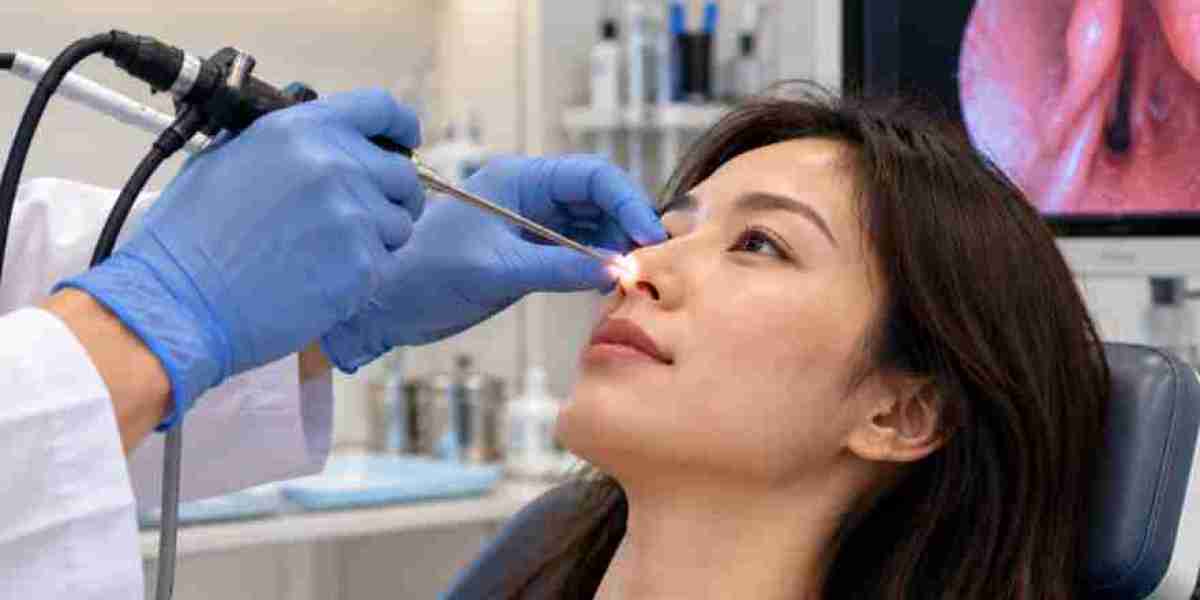
The clinician will ask how the injury happened, when it occurred, whether bleeding took place and whether breathing or the appearance of the nose has changed. Examination may assess swelling, alignment, tenderness, internal obstruction and signs of septal injury. The clinician may also check for other facial injuries and determine whether emergency treatment is needed before discussing the nose itself.
Imaging is not required for every suspected isolated nasal fracture, because examination findings often guide management. Additional imaging may be appropriate if a more complex facial injury or another complication is suspected. The timing of reassessment matters because swelling can obscure the shape of the nose soon after injury. The clinician will explain whether a review is needed once swelling settles and what symptoms should prompt earlier attention.
Treatment options and timing
Minor injuries without significant displacement may only require observation, symptom management and advice on protecting the nose while it heals. If the bones have shifted and the change affects appearance or airflow, a clinician may discuss a procedure to reposition them. The timing depends on the injury, swelling and clinical findings, so patients should seek advice promptly rather than wait for weeks hoping the shape will return to normal.
More complex injuries may require a different approach, particularly if the septum is damaged or nasal obstruction persists. Not every injury needs surgery, and the best option depends on the degree of displacement, the patient's symptoms and other medical considerations. Ask about the expected result, risks, recovery period and whether later reassessment may be necessary. Avoid attempting any manipulation at home, as this can worsen the injury.
Recovery and protecting the nose
During recovery, follow the treating clinician's instructions on nasal care, activity and follow-up. Swelling and bruising may take time to settle, so the final appearance may not be clear immediately. Avoid contact sports or activities that could cause another impact until you have been told it is safe. If breathing becomes more difficult, pain increases significantly or fever or unusual discharge develops, seek medical advice.
Patients should attend any recommended follow-up appointment, even if the nose seems to be improving. The review allows the clinician to reassess alignment, airflow and healing. If obstruction or a change in shape remains after the acute injury has healed, further assessment may be appropriate. The aim is to address the injury safely and understand whether any lasting structural problem needs treatment.
Frequently asked questions
Can I tell at home whether my nose is broken? Not reliably. Swelling can disguise the injury, and examination is needed to assess whether further care is required.
Should I try to straighten my nose myself? No. Do not manipulate the nose after an injury; seek professional assessment.
Does every nasal fracture need surgery? No. Treatment depends on displacement, breathing, appearance and associated injuries.
When is a nasal injury an emergency? Seek urgent care for uncontrolled bleeding, serious head injury symptoms, visual changes, breathing difficulty or painful swelling inside the nose.
Get the injury assessed promptly
A nasal injury can range from a minor bruise to a fracture that affects breathing or the shape of the nose. Prompt assessment is especially important when there is persistent obstruction, visible deformity, significant bleeding or concern about an internal injury. For information about ENT services and enquiries, visit Novena ENT–Head & Neck Surgery Specialist Centre at https://www.novena-ent.com/staff/dr-dharambir-s-sethi-2/. If the injury is severe or accompanied by emergency warning signs, seek urgent medical care first rather than waiting for a routine appointment.