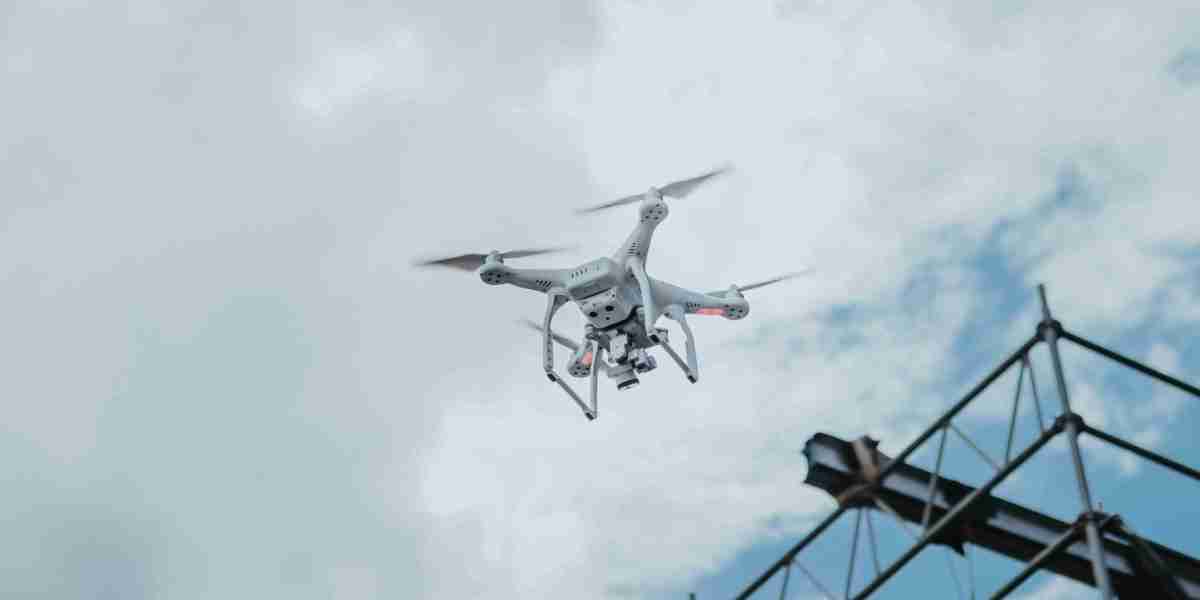

The underwater drone market is becoming increasingly relevant as businesses and research organizations explore more efficient methods of conducting underwater operations. Traditional underwater activities may require specialized vessels, trained divers, and complex logistical arrangements. Underwater drones offer an alternative by enabling remote observation and inspection in locations where direct human access may be challenging. Their growing range of potential applications includes offshore infrastructure maintenance, marine research, port security, underwater surveying, and aquatic environmental studies. As organizations look for technologies that can improve visibility beneath the surface, underwater drones are attracting interest across a broad range of industries.
The expansion of autonomous underwater vehicle technology is an important development for this industry because autonomous systems can perform selected underwater tasks according to programmed instructions and onboard navigation capabilities. Unlike remotely operated equipment that depends on continuous human control, autonomous underwater vehicles can follow planned routes and collect information with varying degrees of independence. Their suitability depends on mission complexity, operating conditions, navigation accuracy, and the level of autonomy built into the system.
Innovation in Underwater Robotics
Underwater robotics combines mechanical engineering, electronics, software, sensing technology, and control systems to perform tasks beneath the water. Continued development in these fields is helping manufacturers design systems for different operational requirements. Some underwater drones are intended for casual exploration and basic visual inspection, while others are designed for demanding commercial or scientific activities.
Robust construction is essential because underwater equipment must operate in an environment that creates pressure, corrosion, and visibility challenges. Protective housings, sealed components, corrosion-resistant materials, and dependable connectors can help equipment remain functional during underwater missions. Manufacturers must consider these requirements while also keeping systems compact enough to maneuver through confined spaces.
Propulsion design also affects the usefulness of underwater drones. Well-designed thrusters can support movement in different directions and help maintain stable positioning during inspections. Precise control is particularly valuable when a drone must examine a pipeline, navigate around a submerged structure, or capture detailed images of a specific object.
Applications in Offshore Infrastructure
Offshore industries operate equipment that may be difficult and expensive to inspect manually. Underwater drones can help examine submerged components of offshore platforms, marine terminals, pipelines, and other structures. Cameras and suitable sensors allow operators to observe visible damage, surface conditions, and potential areas requiring further investigation.
These inspections can help maintenance teams identify locations that deserve closer attention. For example, a drone may document corrosion, marine growth, loose components, or visible structural irregularities. The resulting information can support maintenance planning, although specialized testing and professional assessment may still be necessary to confirm the condition of critical equipment.
Ports and harbors can also benefit from underwater inspections. Submerged structures, mooring equipment, and vessel hulls may require periodic examination. Underwater drones can provide visual access to these areas and help operators plan additional work when problems are identified.
The Role of Sensors and Data Processing
The effectiveness of an underwater drone depends on more than its ability to move through water. Cameras, depth sensors, imaging equipment, and other specialized instruments can expand the information collected during a mission. The selection of equipment depends on the task, environmental conditions, and the level of detail required.
Data processing is another important consideration. Underwater missions can generate substantial quantities of imagery and sensor information. Software that organizes recordings, labels observations, and supports image review can make collected information easier to interpret. In professional settings, these records may help teams compare observations from different inspections and maintain a clearer history of underwater assets.
Artificial intelligence may also assist with selected analytical tasks, such as highlighting unusual visual patterns or sorting large collections of underwater images. However, performance depends on data quality, environmental conditions, and the suitability of the software for the intended task. Human review remains important for consequential decisions.
Commercial Adoption and Practical Challenges
The adoption of underwater drones depends on whether their capabilities justify their purchase, operation, and maintenance requirements. Organizations must evaluate equipment costs, training needs, battery management, transportation, repair services, and compatibility with existing workflows.
Communication is another consideration. Radio signals and conventional wireless connections do not travel effectively through water, so many underwater drones rely on tethered connections or specialized acoustic communication methods. Each approach involves trade-offs involving control, operating distance, data transmission, and mission flexibility.
Manufacturers that simplify setup, improve reliability, and provide accessible operating software may make underwater technology more practical for additional customers. Rental services and specialist inspection providers can also help organizations access equipment without independently managing every technical requirement.
Future Outlook for Ocean Technology
Underwater drones are part of a wider movement toward remote sensing, automated inspection, and data-supported marine operations. Their potential value comes from helping organizations observe submerged locations, document conditions, and plan work more effectively.
Future development will depend on continued improvements in autonomy, sensor integration, power efficiency, and underwater navigation. As these capabilities evolve, underwater drones may become increasingly useful across commercial, scientific, and environmental applications.
FAQs
Q1. How does autonomous technology benefit underwater drones?
Autonomous technology can help underwater drones follow planned routes, conduct repetitive observations, and collect information with reduced need for continuous manual control.
Q2. Can underwater drones inspect offshore infrastructure?
Yes. Appropriately equipped underwater drones can visually inspect submerged pipelines, platform components, marine structures, and vessel hulls.