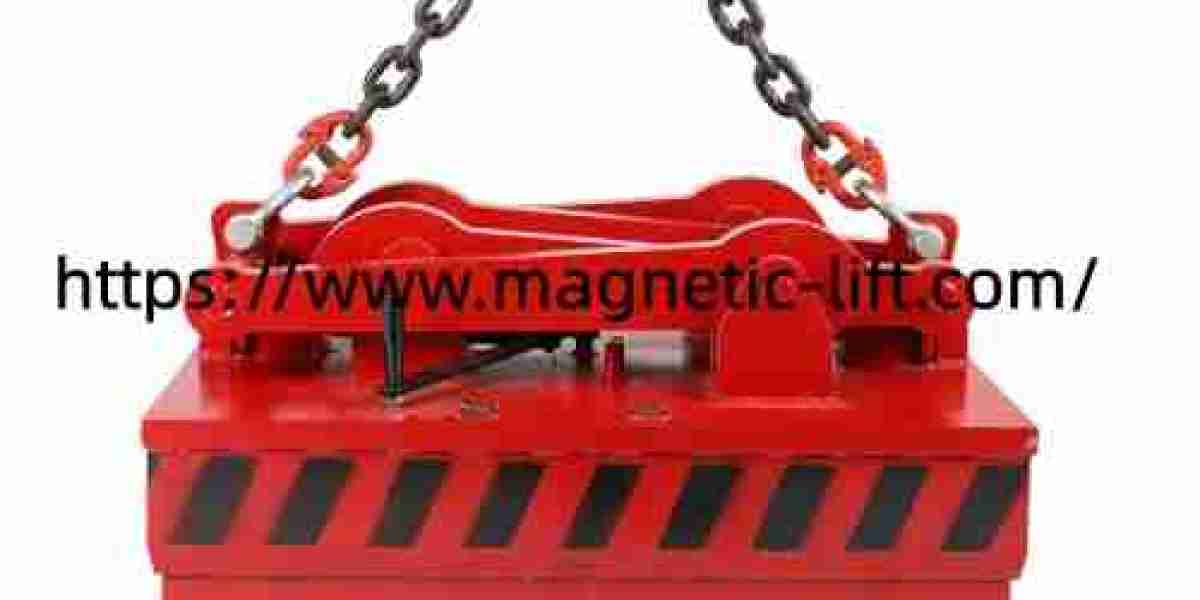

Permanent Magnet Lifting Device selection deserves careful attention when a factory regularly handles steel plates, blocks, or other ferromagnetic materials. The equipment needs to match the loads being moved, the working conditions on the shop floor, and the way operators carry out everyday tasks. A unit that appears suitable on paper may not fit the actual job if plate thickness, surface condition, or lifting arrangements have been overlooked.
Start by looking at the materials your team handles most often. A workshop cutting sheet steel may work with relatively thin plates in several sizes, while a machinery plant may move heavier components with uneven shapes or limited gripping areas. These differences affect the type of magnetic equipment required. Before comparing models, record the usual load weights, dimensions, material grades, and thickness ranges. Include the heaviest expected load, but do not base the entire decision on weight alone.
Material thickness is especially important. Magnetic holding performance depends on the properties and geometry of the steel, and thin sections may not provide the same holding conditions as thicker plates. Air gaps caused by rust, paint, scale, dirt, or surface irregularities can also affect magnetic contact. If the materials vary considerably from one job to another, ask the supplier to confirm whether the proposed model is suitable for the full range of workpieces rather than relying on a single rated figure.
Next, consider how the equipment will be used during a typical shift. A factory that moves steel occasionally may have different requirements from a production line where lifting takes place repeatedly throughout the day. Think about the available overhead clearance, crane or hoist compatibility, access around the load, and the distance materials need to travel. A compact design may be useful in a crowded fabrication area, while a different configuration may be more practical when handling larger components.
Rated capacity deserves close attention, but it should never be treated as a guarantee for every lifting situation. Actual performance can vary with material thickness, contact quality, load shape, and operating conditions. Review the manufacturer instructions and capacity information for the exact model under consideration. Confirm that the intended load falls within its permitted operating range, and check whether any restrictions apply to thin plates, curved surfaces, narrow sections, or other unusual workpieces. If the application is unclear, provide the supplier with accurate material details before placing an order.
Safety procedures should also influence the purchasing decision. Operators need to understand how to position the unit, engage and release the magnetic mechanism, and verify that the load is properly secured before movement. Loads should be raised carefully and kept under control, with personnel kept clear of suspended materials. Never allow anyone to stand or pass beneath a suspended load. A lifting plan, appropriate operator training, routine inspection, and compliance with applicable workplace requirements remain essential, regardless of the equipment selected.
Maintenance is another practical consideration that can be easy to overlook during purchasing. Ask how the device should be inspected, cleaned, stored, and checked for wear or damage. Look at the accessibility of operating components and the availability of technical support and replacement parts. In a busy factory, clear operating instructions and a manageable inspection routine can make it easier for staff to follow consistent procedures. Keeping a record of inspections and any unusual operating behavior can also help identify concerns before they interrupt normal work.
Price should be assessed alongside suitability, service, and expected operating demands. A lower purchase cost may not represent good value if the equipment does not match the materials being handled or creates unnecessary workflow complications. On the other hand, choosing a unit with capabilities your factory rarely needs may add expense without a clear operational benefit. Compare models using the same criteria, including rated capacity, compatible material dimensions, handling frequency, safety features, maintenance requirements, and supplier support. This gives purchasing teams a clearer basis for making a decision.
Kaixin provides magnetic lifting solutions for businesses handling steel materials in manufacturing, fabrication, and warehouse environments. When reviewing available options, prepare a short list of your regular loads, minimum material thickness, surface conditions, and the lifting equipment already installed at your site. These details help narrow the selection and make technical discussions more useful. By matching product specifications with actual working conditions, your team can make a more considered investment and integrate lifting tasks into daily production with greater confidence. To compare available models and identify an option suited to your handling needs, visit https://www.magnetic-lift.com/product/