
IMARCs new report titled Liquor From Mahua Flower Manufacturing Plant Project Report 2025: Industry Trends, Plant Setup, Machinery, Raw Materials, Investment Opportunities, Cost and Revenue, provides a complete roadmap for setting up a mahua flower liquor manufacturing plant. The study covers all the requisite aspects that one needs to know while entering the mahua liquor industry. It provides a comprehensive breakdown of the liquor from mahua flower manufacturing plant setup cost, offering detailed insights into initial capital requirements, infrastructure planning, fermentation and distillation processes, and operational management. This report is a must-read for entrepreneurs, investors, researchers, consultants, business strategists, and all stakeholders involved in the ethnic and craft liquor market. Additionally, the report analyzes the mahua flower liquor manufacturing plant cost, helping stakeholders evaluate the overall financial feasibility, scalability, and long-term profitability.
In 2025, the demand for mahua flower liquor is rising steadily worldwide, driven by its increasing popularity in artisanal, herbal, and ethnic alcoholic beverages. This project report provides a comprehensive overview of cost analysis, required machinery, raw material availability, and plant setup guidelines for investors across India, the UAE, the US, Africa, and Europe.
What is Mahua Flower Liquor?
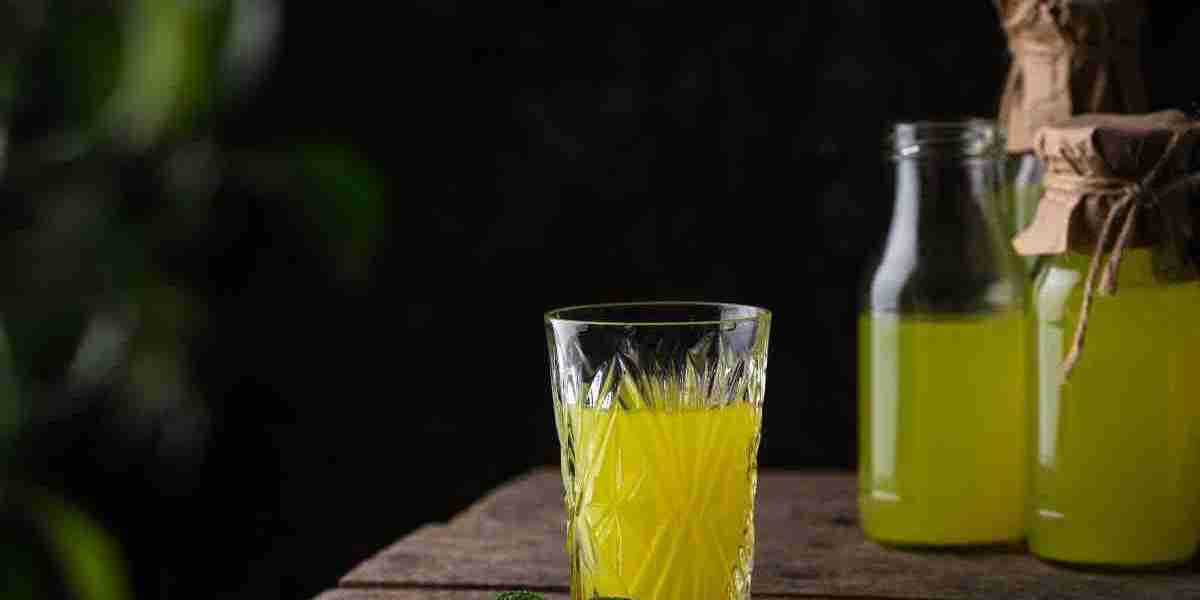
Mahua flower liquor is an alcoholic beverage produced by fermenting the flowers of the mahua tree (Madhuca longifolia), traditionally used in rural India. The liquor is valued for its unique flavor, natural sweetness, and potential health benefits due to bioactive compounds in mahua flowers. It is consumed locally as a traditional drink and increasingly as a premium artisanal product in urban and international markets. Rising consumer interest in natural, culturally authentic, and craft alcoholic beverages is driving global demand for mahua liquor.
How Much Does It Cost to Set Up a Mahua Flower Liquor Plant?
Setting up a mahua flower liquor plant involves costs related to land, civil construction, fermentation and distillation equipment, utilities, raw materials, labor, and packaging. Additional expenses include quality control systems, storage facilities, regulatory compliance, and distribution infrastructure. Total investment depends on plant capacity, technology level, location, and production objectives.
Download the Sample Report: https://www.imarcgroup.com/liquor-from-mahua-flower-manufacturing-plant-project-report/requestsample
Market Trend and Drivers of Mahua Flower Liquor:
The mahua liquor market is witnessing growth due to:
Rising consumer interest in ethnic and artisanal alcoholic beverages
Increasing adoption of natural and plant-based fermentations
Growth of craft and boutique liquor markets globally
Expanding availability through retail, bars, and e-commerce channels
Government initiatives supporting rural and traditional alcohol production
Key Insights Covered in the Mahua Flower Liquor Manufacturing Plant Report
Market Coverage:
Market trends in ethnic, artisanal, and herbal alcoholic beverages
Market segmentation by product type, packaging, and distribution channel
Regional analysis of production and consumption patterns
Price analysis of mahua flowers, fermentation additives, and packaging materials
Impact of COVID-19 on supply chains and market demand
Market forecast highlighting future growth prospects
Key Aspects Required for Setting Up a Mahua Flower Liquor Plant
Detailed Process Flow:
Product Overview
Unit Operations: Flower collection, fermentation, distillation, filtration, and bottling
Mass Balance and Raw Material Requirements
Quality Assurance Criteria and Safety Standards
Technical Tests for Alcohol Content and Purity
Project Details, Requirements, and Costs Involved:
Land, Location and Site Development
Plant Layout
Machinery Requirements and Costs
Raw Material Requirements and Costs
Packaging Requirements and Costs
Transportation Requirements and Costs
Utility Requirements and Costs
Human Resource Requirements and Costs
Project Economics:
Capital Investments: Land acquisition, machinery, utilities, civil work
Operating Costs: Raw materials, utilities, labor, maintenance
Expenditure Projections for short-term and long-term planning
Revenue Projections based on domestic and international demand
Taxation and Depreciation
Profit Projections: ROI, NPV, break-even analysis
Financial Feasibility and Risk Management
Request a Customized Project Report: https://www.imarcgroup.com/request?type=reportid=8652flag=C
Customization Options Available:
Plant Location: Selection of optimal location based on supply chain access and market proximity
Plant Capacity: Customization based on targeted production scale
Machinery: Options for fully automatic, semi-automatic, or manual production lines
List of Machinery Providers: Identification of domestic and international equipment suppliers
Key Considerations for Plant Design and Operations:
Production Capacity: Machinery selection and plant layout should match the intended production scale, whether small artisanal batches or large industrial output, ensuring efficient use of space, resources, and production potential.
Automation Levels: The level of automation should be chosen based on labor availability, budget, and technical expertise. Options include semi-automated or fully automated systems for better efficiency and cost management.
Location Adaptation: The plant should be strategically located near mahua flower sources, target markets, and available labor while complying with regional regulations, improving operational efficiency and reducing logistics costs.
Product Flexibility: Machinery and processes should allow production of different grades or flavors of mahua liquor, enabling the manufacturer to meet diverse and evolving consumer preferences.
Sustainability Features: Integrate energy-efficient equipment, renewable energy options, and waste management systems to ensure environmentally sustainable operations and reduce long-term operational costs.
Raw Material Sourcing: Establish a reliable supply chain for fresh mahua flowers and other inputs, considering seasonal availability, cost-effectiveness, and regional supply dynamics to maintain consistent production.
About Us:
IMARC Group is a leading global market research and management consulting firm. We specialize in helping organizations identify opportunities, mitigate risks, and create impactful business strategies.
Our expertise includes:
- Market Entry and Expansion Strategy
- Feasibility Studies and Business Planning
- Company Incorporation and Factory Setup Support
- Regulatory and Licensing Navigation
- Competitive Analysis and Benchmarking
- Procurement and Supply Chain Research
- Branding, Marketing, and Sales Strategy
Contact Us:
IMARC Group
134 N 4th St. Brooklyn, NY 11249, USA
Email: sales@imarcgroup.com
Tel No:(D) +91 120 433 0800
United States: (+1-201971-6302)