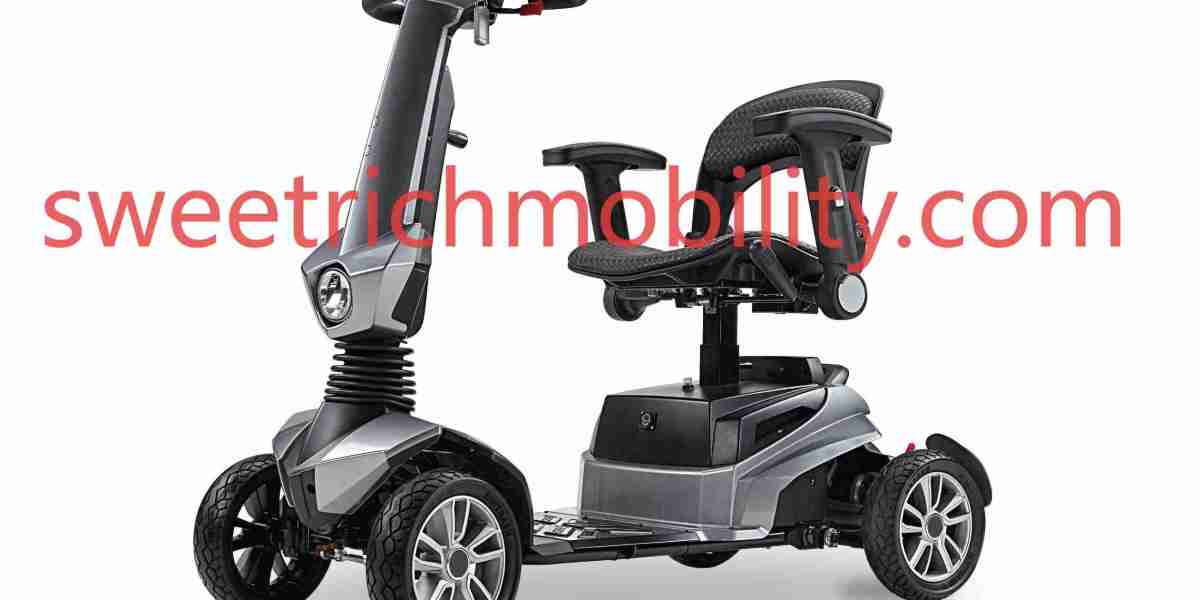

Convenience often begins with the details people notice during everyday journeys. A Lightweight Scooter Factory working with Sweetrichmobility can help businesses consider how manageable construction, thoughtful ergonomics, and practical functionality shape personal mobility products. For retailers, distributors, and purchasing teams, understanding these design priorities provides a useful foundation for selecting scooters that suit customer preferences, storage arrangements, and different daily routines.
A lightweight design can make handling and storage important parts of the purchasing decision. Users may need to move their equipment between rooms, place it in a suitable vehicle, or keep it in a limited storage area. The actual convenience depends on the scooter's construction, dimensions, folding method where available, and individual handling requirements. Reviewing these details helps buyers assess whether a model fits the intended use.
Weight considerations should also be balanced with structural integrity and everyday usability. The frame, wheels, seating assembly, and operating components need to work together as a coordinated product. Buyers should examine the manufacturer's specifications and guidance rather than assuming that a lighter structure automatically meets every user's needs. A considered design approach takes portability into account alongside stability, comfort, and appropriate operating conditions.
Comfort remains important for people who use mobility equipment throughout their daily routines. Seat support, foot placement, handlebar positioning, and control accessibility can influence how naturally a scooter fits its user. An understandable control layout can help users become familiar with essential functions, while suitable seating arrangements may support a more comfortable riding position. These elements deserve attention during product comparisons because everyday convenience involves more than moving or storing the equipment.
Storage requirements vary between households and travel situations. Some customers may prefer a design that fits into a designated corner at home, while others may need a scooter that can be prepared for transportation. Folding mechanisms or removable components may provide additional flexibility when included in a particular model. Clear product descriptions should explain how these features work and what users need to consider before handling or transporting the scooter.
For businesses developing a mobility product range, customer preferences can guide product selection. Some buyers may prioritize manageable handling, while others may focus on seating comfort, control arrangements, or the scooter's intended environment. Offering understandable comparisons allows retailers to explain product differences without relying on vague promotional language. It also helps customers connect specific features with their everyday requirements.
Manufacturing and quality assessment deserve careful consideration as well. Frame materials, component compatibility, assembly procedures, and inspection practices all contribute to the finished product. Businesses can request available technical information and review relevant quality-control procedures when evaluating potential suppliers. Clear communication about packaging, maintenance recommendations, spare components, and after-sales arrangements can further support purchasing decisions.
Product support should continue beyond the initial transaction. Accessible operating instructions can help customers understand setup, handling, and routine care. Retailers can also explain the importance of following manufacturer recommendations, inspecting relevant components, and storing equipment appropriately. This guidance encourages informed use while helping customers understand the practical responsibilities associated with mobility products.
A thoughtfully planned product range reflects the people who will use it. By considering portability, comfort, storage, operating requirements, and available support together, businesses can make product selections that correspond more closely to their intended markets. Clear specifications and practical explanations also create a more useful experience for customers comparing different designs.
Small design decisions can influence how easily mobility equipment fits into everyday life. Give your next product search a practical starting point by visiting https://www.sweetrichmobility.com/product/ . Browse the available designs, review their features, and consider which options align with your customers' needs. A fresh product perspective may be just one visit away.