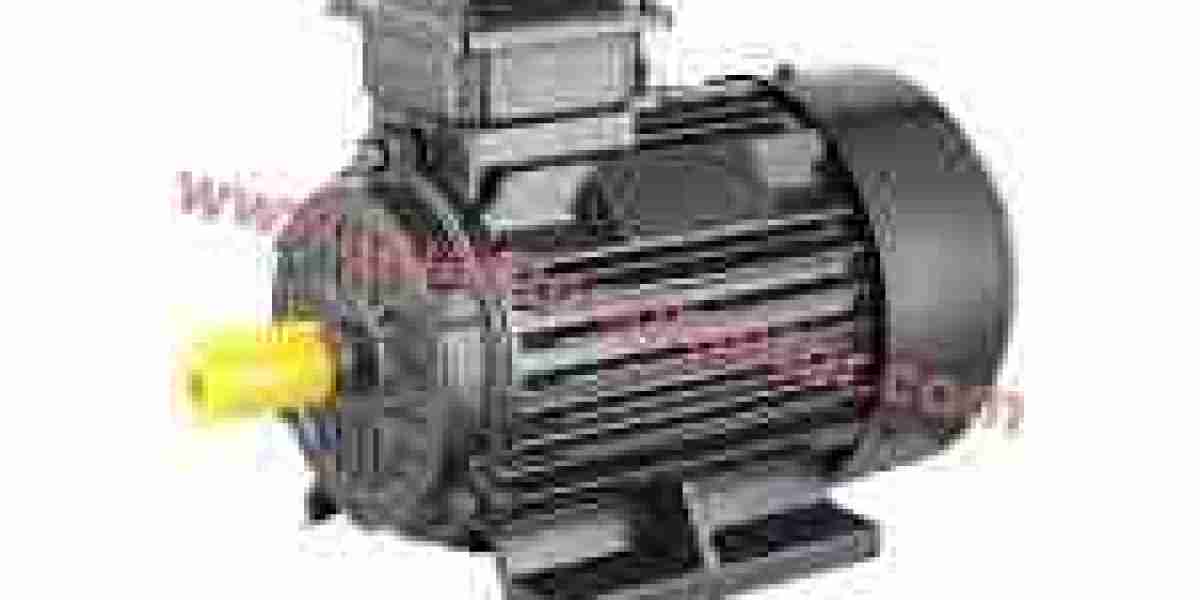

Can an IE2 Three-Phase Asynchronous Electric Motor Reduce Energy Loss During Continuous Operation?
Electric motors often operate for extended periods in factories, workshops, processing facilities, and material handling systems, making energy consumption an important factor in equipment selection. An IE2 Three-Phase Asynchronous Electric Motor is designed to meet a defined efficiency classification, while its actual energy performance depends on motor construction, operating load, power supply conditions, and maintenance practices. For engineers, equipment manufacturers, and purchasing teams exploring industrial drive solutions through guanfengmotor, understanding these factors helps connect technical specifications with practical operating requirements. How can an appropriately selected motor limit avoidable energy losses throughout a long working cycle?
Understanding Energy Loss During Continuous Operation
An electric motor converts electrical energy into mechanical output, but not all incoming electricity becomes useful shaft power. Some energy is dissipated as heat in the stator and rotor windings, while additional losses arise from the magnetic core, bearing friction, air movement, and other physical processes. Motor efficiency describes the proportion of input power converted into useful mechanical output under specified operating conditions.
When machinery operates for long periods, even a modest difference in efficiency can influence electricity consumption over the equipment's service life. This makes efficiency an important consideration for production lines, pumps, ventilation systems, compressors, and conveyor installations. However, actual consumption depends on both the motor's efficiency and the mechanical work required by the connected machine. A highly efficient motor cannot eliminate energy waste caused by unnecessary operation, excessive friction, or an unsuitable production process.
The IE2 classification identifies a defined motor efficiency level under applicable testing conditions. It does not guarantee identical energy savings in every installation, because voltage, frequency, ambient temperature, load profile, and equipment condition vary between applications. Assessing the complete drive system gives engineers a clearer picture of where electricity is consumed and which operating factors can be adjusted to control unnecessary losses.
Matching Motor Capacity to the Required Load
Selecting a motor with an appropriate rated output is one of the practical steps toward controlling energy consumption. A unit that is substantially oversized for its normal workload may operate away from its intended design conditions, while an undersized motor may experience excessive current, overheating, or frequent overload protection. Both situations can affect operating efficiency, component condition, and production reliability.
Load requirements should be assessed across the complete working cycle rather than at a single operating point. A pump may experience changing flow demand, a conveyor may transport different quantities of material, and a processing machine may alternate between loaded and unloaded periods. These changes influence torque requirements and the amount of electricity needed to maintain operation.
For equipment with relatively stable demand, a correctly sized motor operating within its intended duty range can provide consistent mechanical output. Where demand varies considerably, engineers may evaluate variable frequency control, process adjustments, or a transmission arrangement that matches output to actual requirements. The selection should account for the motor's characteristics, drive losses, cooling capacity, starting conditions, and the operating profile of the connected machinery.
Power Supply Quality and Electrical Connections
The electrical supply has a direct influence on three-phase motor performance. Voltage imbalance, unsuitable supply voltage, loose terminals, and phase faults can cause abnormal current distribution, additional heating, or unstable torque. These conditions may increase electrical losses while placing unnecessary stress on winding insulation and other components.
Regular electrical inspections can identify problems before they result in prolonged downtime. Technicians should check supply voltage, phase balance, terminal connections, protective devices, and operating current against the motor manufacturer's specifications. Measurements should be taken using suitable instruments and interpreted in relation to the rated operating conditions and actual mechanical load.
Supply frequency is also important because it determines the speed of the rotating magnetic field together with the motor's pole count. When a variable frequency drive is installed, its settings should correspond to the motor and driven application. Incorrect configuration may cause unsuitable acceleration, insufficient torque, excessive current, or thermal stress. A properly configured drive can regulate output according to process demand, although its own electrical losses should also be included when evaluating total system consumption.
Cooling and Mechanical Maintenance
Heat management plays an important role during continuous motor operation. Electrical resistance, magnetic losses, and mechanical friction generate heat that must be dissipated to keep the motor within its permitted operating temperature. Blocked ventilation openings, accumulated dust, damaged cooling fans, or unsuitable ambient conditions can restrict heat removal and increase thermal stress.
Excessive temperature may accelerate insulation ageing and affect the reliability of bearings and other components. Although cooling does not eliminate inherent electrical losses, maintaining suitable thermal conditions helps preserve normal operation and reduces the risk of premature failure. When a motor operates at reduced speed under variable frequency control, cooling deserves particular attention because a shaft-mounted fan may move less air as rotational speed decreases. Depending on the application, the manufacturer may specify additional ventilation or operating restrictions.
Mechanical maintenance also affects the energy required to drive connected equipment. Worn bearings, shaft misalignment, excessive belt tension, inadequate lubrication, and damaged couplings can increase friction or vibration. Consequently, the motor may consume additional electricity to deliver the mechanical output required by the process.
A practical maintenance schedule should include cleaning, inspection of bearings and couplings, verification of mounting security, and observation of unusual noise or vibration. Where appropriate, technicians can record current, temperature, and vibration readings over time. Comparing these measurements with normal operating conditions helps identify changes that may indicate a developing mechanical or electrical problem.
Evaluating Motors for Industrial Applications
Continuous-duty machinery requires a motor that matches the mechanical load, working environment, installation arrangement, and expected operating schedule. Pumps, fans, conveyors, and processing equipment can have different torque characteristics and cooling requirements, so choosing a motor solely by its rated power may not provide a suitable match.
Purchasers should review rated output, efficiency data, operating speed, voltage, frequency, insulation class, protection rating, mounting dimensions, and cooling method. The intended duty and surrounding environment also deserve attention, particularly where equipment runs for extended periods or encounters dust, moisture, elevated temperatures, and frequent load changes. Compatibility with existing electrical systems and transmission equipment can influence installation costs and maintenance requirements.
Energy evaluation should include the motor and the machinery it drives. For example, a pump operating against unnecessary resistance may consume excess power regardless of the motor's efficiency classification. Reviewing pipework, filters, valves, ventilation routes, and transmission components can reveal operating conditions that increase demand. Appropriate process control and routine servicing help maintain the intended working conditions without relying on motor replacement as the only response to high electricity consumption.
Guanfeng provides industrial motor information through its official website, allowing buyers to explore product configurations and review specifications for potential applications. When comparing available models, purchasers should confirm rated power, speed, voltage, frequency, mounting arrangement, cooling requirements, and suitability for the intended duty before placing an order.
For businesses seeking an IE2 Three-Phase Asynchronous Electric Motor for continuous industrial service, Guanfeng's product information at https://www.guanfengmotor.com provides a starting point for reviewing the IE2 series and identifying specifications for technical discussion. Sharing the application, supply conditions, expected load, installation requirements, and daily operating schedule with Guanfeng helps the company assess the appropriate configuration for the equipment, whether it is intended for a pump, conveyor, ventilation system, or another industrial drive application.