
High Pressure Water Pump selection for industrial cleaning starts with a simple question: what exactly needs to be removed? Grease on a production floor, mineral deposits inside a pipeline, and dried residue on processing equipment all require different cleaning methods. Choosing machinery by its rated output alone can create unnecessary costs or leave stubborn contamination behind. For manufacturers, maintenance teams, and purchasing managers, the goal is to match the equipment to the actual cleaning task, available utilities, and expected workload.
Imagine a maintenance team preparing to clean a production line during a scheduled shutdown. Every hour spent on cleaning delays the next stage of operation. A narrow jet may remove hardened deposits from a small area, while a wider spray can cover larger surfaces more efficiently. The right arrangement depends on the material being cleaned, the type of residue, and the finish that must be preserved.
Start by identifying the cleaning objective. Removing loose dust and mud is different from dealing with grease, scale, rust, or accumulated process residue. Some surfaces can tolerate concentrated jet impact, while painted panels, delicate components, and certain coatings may require a gentler approach. Testing the cleaning method on a small area can help identify potential damage before the full job begins.
Flow rate is another detail worth checking early. It determines how much liquid reaches the cleaning tool over a given period and affects how quickly loosened debris can be carried away. A focused jet may help break up stubborn deposits, but sufficient flow is also needed to rinse the material from the surface. The relationship between these factors matters more than choosing a specification simply because its number looks impressive.
Nozzle selection deserves equal attention. A narrow opening concentrates the jet into a smaller area, while a wider spray pattern covers a broader surface. The nozzle must match the equipment output and the intended cleaning method. An unsuitable combination can reduce cleaning effectiveness, cause unstable operation, or place unnecessary strain on components.
Consider the layout of the working area as well. Long hoses, multiple connections, bends, and changes in elevation can affect the performance available at the cleaning tool. If several operators need to work simultaneously, calculate the combined demand before deciding on the system configuration. A setup intended for one cleaning station may not support several stations operating together.
The liquid supply should not be overlooked. Insufficient inlet flow, debris in the supply, or unsuitable operating temperatures can interfere with reliable operation. Depending on the application, filtration and appropriate material selection may help reduce wear and protect internal components. Facilities handling detergents or specialized cleaning agents should also verify chemical compatibility with seals, fittings, and other wetted parts.
Operating schedules influence the decision, too. Equipment used for occasional maintenance has different service requirements from machinery running throughout every production shift. Buyers should ask about recommended servicing intervals, seal replacement, bearing maintenance, spare parts, and the availability of technical support. These details become particularly important when unexpected downtime could interrupt a production schedule.
Safety must remain part of the selection process. A concentrated jet can injure operators and damage surfaces if used incorrectly. Hoses, connections, trigger controls, and protective equipment should be suitable for the intended operating conditions. Operators need appropriate training, and the installation should follow the manufacturer instructions and applicable workplace safety requirements.
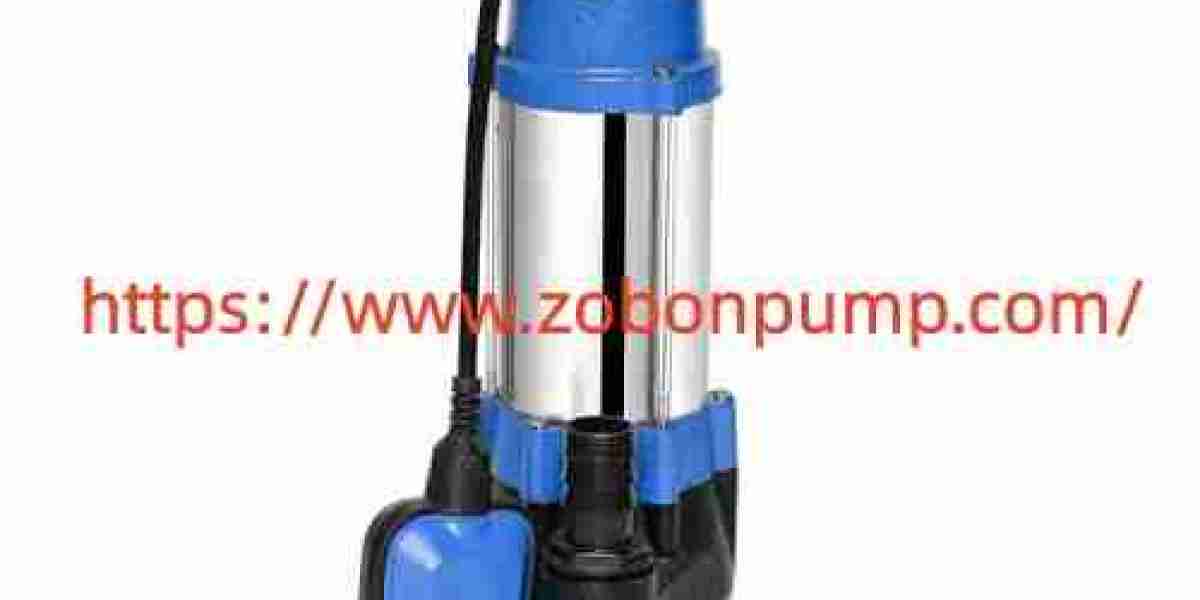
For businesses comparing industrial cleaning equipment, Caifu offers product options that can be evaluated against specific application requirements. Before requesting a quotation, prepare details about the target material, type of contamination, required flow rate, operating conditions, daily working hours, and available power supply. Sharing these details helps the manufacturer assess whether a proposed configuration fits the intended task instead of relying on a single rating.
A well planned cleaning system should fit the work taking place on the factory floor, from routine equipment washing to scheduled maintenance of production assets. If you are reviewing configurations for an upcoming project, visit https://www.zobonpump.com/product/ to view available Caifu products and discuss the specifications needed for your industrial cleaning application.