
What Features Help an Aluminium Base Plate Manual Tile Cutter Reduce Cutting Errors?
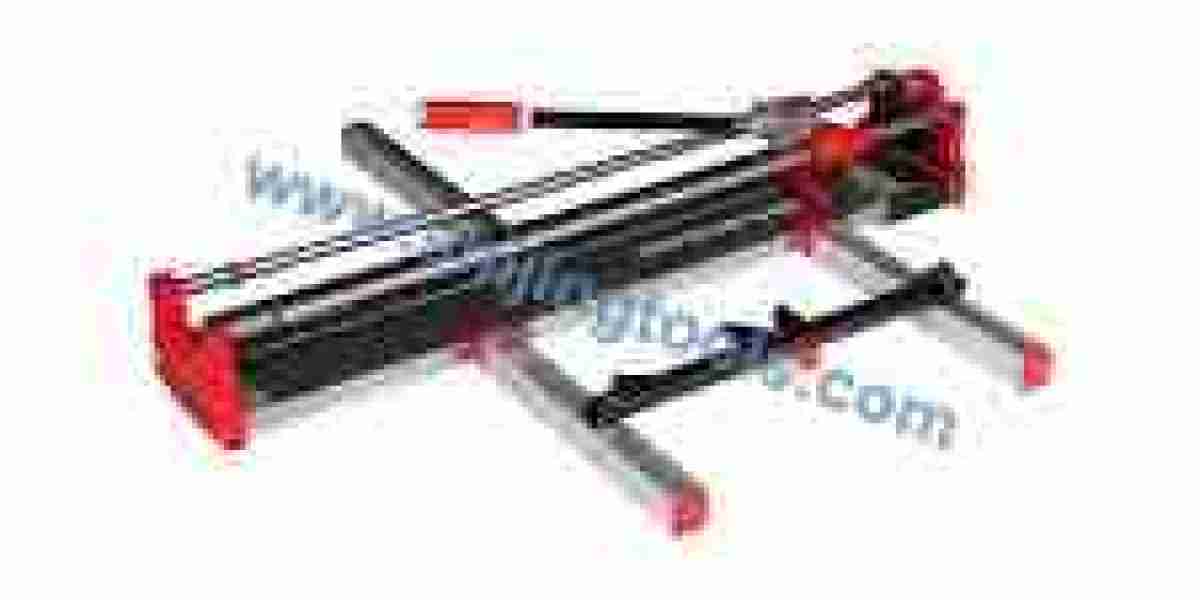
Accurate tile cutting depends on several connected factors, including material support, measuring accuracy, guide movement, scoring consistency, and the way pressure is applied during separation. An Aluminium Base Plate Manual Tile Cutter is designed to help users control these stages while preparing tiles for flooring, walls, bathrooms, kitchens, and commercial interiors. For contractors, distributors, and renovation professionals exploring equipment through shijingtools, understanding these structural details can make product selection more practical. Which features help keep the cutting line steady and reduce avoidable mistakes during everyday installation work?
A Stable Base Supports Consistent Cutting
The base plate provides the foundation for positioning a tile before the scoring wheel travels across its surface. If the support is uneven, dirty, or poorly maintained, the tile may shift during operation, causing the scoring line to move away from its intended position. A stable working surface helps the tile remain properly supported and gives the operator a consistent starting point.
Aluminium is used in manual tile cutter construction because it combines relatively low weight with useful structural rigidity. The finished performance, however, depends on the complete design rather than the material alone. Base thickness, reinforcement, contact areas, frame construction, and assembly quality all influence how the tool behaves under normal working pressure.
Before cutting, users should check that the base is clean and that the tile rests evenly on the support points. Dust, small fragments, and dried adhesive can interfere with positioning, particularly when handling smooth or large-format tiles. Keeping the working surface clear is a simple measure that can prevent unnecessary movement and improve control.
Guide Rails and Measuring Systems Help Maintain Alignment
A tile cutter needs to keep the scoring wheel moving along the intended path. Guide rails help control the cutting head, while measurement scales and adjustable rulers allow users to position tiles according to the required dimensions. When these components work together properly, repeated cuts become easier to reproduce without relying entirely on visual estimation.
A ruler should be easy to read, securely fitted, and suitable for the dimensions of the workpiece. Before beginning a cut, the operator should confirm the tile edge against the guide and check that the marked line matches the cutting path. This preparation is particularly useful when fitting tiles around doorways, wall edges, corners, and narrow spaces where small measurement differences may become visible after installation.
The guide system also needs smooth movement. A cutting head that catches, wobbles, or changes direction unexpectedly can affect the score even when the tile has been measured correctly. Periodic inspection of the rail, carriage, bearings, and connecting parts helps identify problems before they interfere with the finished edge.
Scoring Wheel Condition Affects the Final Edge
The scoring wheel creates a controlled line on the tile surface, allowing the material to separate along the intended direction when breaking pressure is applied. Its condition and movement therefore have a direct influence on cutting consistency. A worn, damaged, or unsuitable wheel may leave an irregular score, encourage excessive hand pressure, or make the separation less predictable.
Users should select a wheel compatible with the cutter and the tile being processed. Surface hardness, finish, thickness, and material composition can affect how the wheel interacts with a particular tile. If the score appears inconsistent, replacing the wheel may be appropriate, but the operator should also inspect alignment, wheel rotation, and the condition of the guide assembly.
Applying excessive force is not a reliable substitute for a suitable scoring wheel or a controlled scoring pass. A steady movement along the intended line usually provides a more consistent working process than abrupt changes in speed or repeated attempts to correct a misplaced score. Operators should follow the tool manufacturer's instructions for scoring and breaking, especially when handling tiles with delicate finishes.
Positioning and Pressure Control Reduce Common Mistakes
Even a well-designed cutter can produce an unsatisfactory result when the tile is positioned incorrectly. Before starting, the operator should confirm the required measurement, align the tile with the guide, and check that the intended cutting line follows the scoring wheel's path. The tile should remain supported throughout the operation rather than extending unevenly beyond the base.
Pressure should be applied in a controlled manner. Sudden force, sideways movement, or an inconsistent scoring stroke can contribute to chipped edges and fractures outside the intended line. Repeating a cut without identifying the original problem may also create additional surface marks instead of correcting the underlying issue.
Different tiles respond differently to manual scoring. Ceramic tiles, porcelain tiles, and products with varied surface finishes may require different handling techniques, and not every material or format is suitable for every manual cutter. Users should check the tool's stated capacity and compatibility before beginning work, then test their method on an appropriate spare tile when the material is unfamiliar.
Maintenance Helps Preserve Working Accuracy
Regular maintenance keeps the cutter's moving parts operating as intended. Loose debris should be removed from the base and guide areas, while the scoring wheel and its holder should be checked for wear, damage, and restricted movement. Where the design requires lubrication, users should follow the manufacturer's recommendations rather than applying products indiscriminately.
Fasteners, measuring components, and adjustable stops also deserve periodic inspection. A ruler that has shifted or a loose guide component can affect alignment even when the scoring wheel remains in good condition. Storing the cutter in a clean, dry location and protecting its working surfaces from impact can help preserve its condition between projects.
For businesses comparing professional equipment, SHIJING provides product information and resources for exploring manual tile cutters and related installation tools. The SHIJING website can help buyers review available tool categories and understand how construction details relate to practical tile work. When assessing a model, it is useful to consider cutting length, tile thickness compatibility, guide design, wheel replacement, adjustment options, and the type of work expected at the job site.
Choosing Features for Real Installation Conditions
The appropriate cutter depends on the tasks it will perform, the tiles being installed, and the working conditions. A contractor handling long tiles may pay particular attention to guide rigidity and cutting length, while a team completing repeated measurements may focus on ruler clarity and adjustment stability. Portability can also matter when equipment must be moved between rooms, floors, or separate job sites.
The features of an Aluminium Base Plate Manual Tile Cutter should therefore be assessed as a complete working system rather than as isolated specifications. Stable support, accurate measurement, smooth guide movement, a suitable scoring wheel, and consistent operator technique all contribute to the finished cut. For additional information on aluminium base plate designs and their use in tile installation, visit https://www.shijingtools.com/, where shijingtools provides relevant product information for professionals comparing manual cutting equipment for their projects.