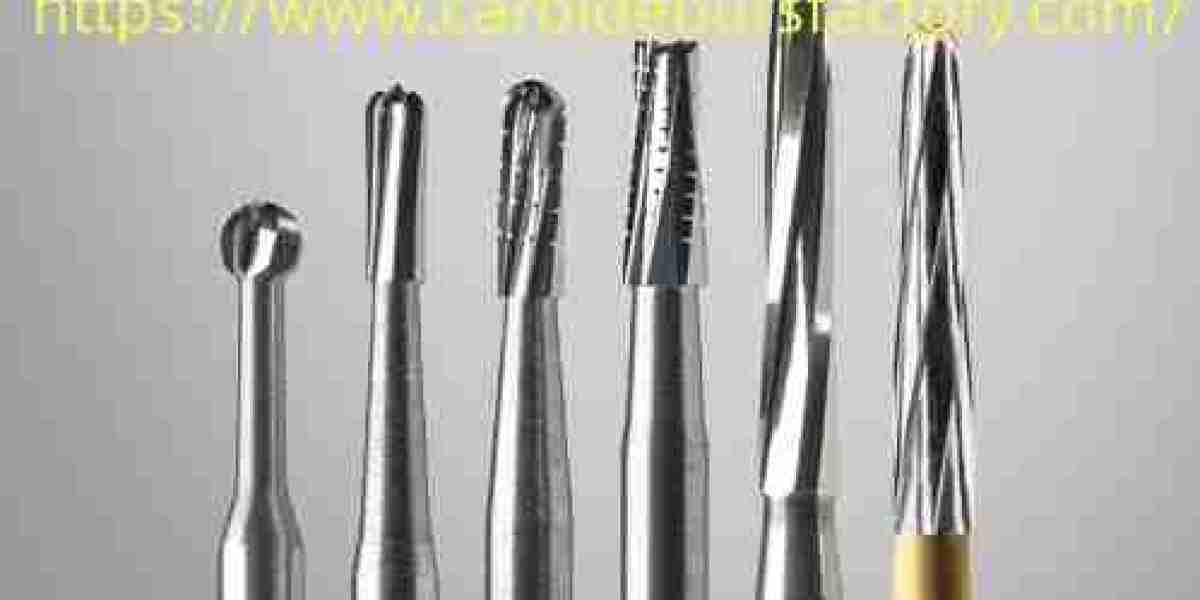

Carbide Rotary Burs selection begins with identifying the machining task, workpiece material, and equipment requirements. Industrial buyers should review cutting geometry, head dimensions, shank compatibility, inspection procedures, and delivery arrangements before placing an order. A structured evaluation helps purchasing teams communicate technical expectations, compare product configurations, and select tools suited to their production needs.
Identify the Intended Application
Different machining tasks require different tool configurations. Removing weld residue, trimming cast components, shaping edges, enlarging openings, and finishing curved surfaces can involve different access conditions and material removal requirements.
Before requesting a quotation, buyers should identify the operation, the workpiece material, and the expected surface condition. They should also consider whether the task involves rough material removal or detailed finishing, since these requirements may influence the cutting profile and dimensions.
Photographs, technical drawings, or component samples can help explain the application. Providing these materials allows the manufacturer to review the request with greater clarity and discuss suitable product options.
For purchasing teams managing several production lines, documenting the intended use of each configuration can also simplify stock planning and future orders.
Compare Head Shapes and Cutting Patterns
The head shape affects how a tool reaches the workpiece and interacts with its surface. Cylindrical profiles can be useful for flat areas and edges, while rounded designs can help with curved surfaces. Tapered profiles may be appropriate for angled sections or restricted spaces.
Cutting patterns also influence tool behavior. Single-cut and double-cut designs use different flute arrangements, which affect chip formation and the interaction between the cutting edges and the workpiece.
The appropriate configuration depends on the material, the machining operation, and the desired finish. Buyers working with aluminum or other softer metals should ask about designs intended to manage chip buildup. For steel and other alloys, application guidance can help narrow the available options.
Rather than choosing a product based on appearance alone, compare its geometry with the workpiece drawing and the intended machining path.
Confirm Dimensions and Equipment Compatibility
A suitable profile must also fit the intended equipment. Before approving an order, confirm the head diameter, head length, shank diameter, and overall length.
The shank must be compatible with the machine collet and the equipment manufacturer's specifications. An unsuitable fit may affect stability and create operating hazards. Buyers should also verify the permitted operating speed and follow the tool and equipment instructions.
Working length deserves attention as well. A short configuration may not reach a recessed surface, while an unnecessarily long option may make controlled operation more difficult. The selected dimensions should provide the necessary access while maintaining an appropriate setup.
For repeat purchasing, keep an approved specification sheet for each required configuration. Include measurements, profile type, intended use, and machine compatibility so that later orders can refer to the same documented requirements.
Ask About Manufacturing and Quality Control
Manufacturing consistency matters when tools are used repeatedly in production. Buyers should ask how dimensions are measured, how cutting edges are inspected, and how finished products are checked before shipment.
For tools with a hard cutting head attached to a metal shank, the joint and concentricity are relevant inspection considerations. Depending on the application, purchasers may request sample products, dimensional records, or details about the inspection procedures used for their order.
Acceptance criteria should be agreed upon before manufacturing begins. These may include dimensional tolerances, surface condition, cutting performance, product identification, and packaging requirements.
Testing a sample under suitable operating conditions can provide practical information about fit and cutting behavior. Evaluation should follow the equipment manufacturer's safety instructions. Recording the results also helps buyers establish clearer specifications for future purchases.
Evaluate Order Quantities and Delivery Terms
Product suitability is only one part of a purchasing decision. Buyers should also establish order quantities, packaging preferences, production schedules, and delivery expectations before confirming a purchase.
When ordering several shapes or sizes, ask how each configuration will be identified and separated during packing. Clear labels help warehouse staff verify quantities and distribute products to the correct departments or customers.
Quotation comparisons should use consistent specifications. Consider unit prices alongside order quantities, sample charges, packaging, payment terms, and shipping arrangements. This provides a more practical basis for evaluating purchasing costs.
It is also helpful to clarify how specification changes will be handled after approval. Both parties should understand whether changes could affect pricing, production time, or delivery schedules.
Prepare Technical Details Before Contacting a Supplier
A clear inquiry helps the manufacturing team assess the requested configuration. Include the workpiece material, machining objective, required dimensions, cutting profile, equipment details, estimated quantity, and packaging preferences.
If certain measurements are uncertain, provide a drawing, photograph, or reference sample. Ask which details need confirmation and whether a sample can be evaluated before a larger order is arranged.
At carbidebursfactory, buyers can review available cutting tool configurations and discuss their application requirements with the manufacturing team. Providing accurate specifications supports clearer communication about product options, order quantities, and production arrangements.For industrial cutting tools used in deburring, metal shaping, weld cleanup, and edge finishing, visit https://www.carbidebursfactory.com/product/ to review the available range. You can compare product configurations and contact carbidebursfactory to discuss dimensions, quantities, packaging, and manufacturing requirements for your next order.