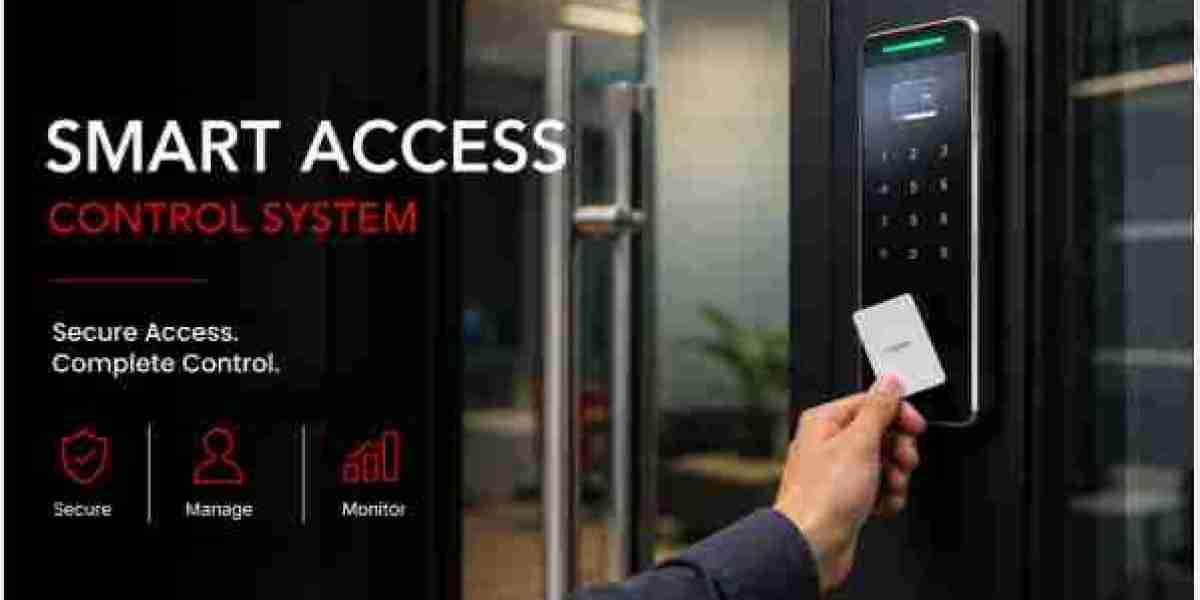

Employee access management becomes more complicated as a business grows, departments change, and staff take on different responsibilities. A new employee may need access to the office and selected work areas, while a manager or IT specialist may require additional permissions. A well-configured access control system helps businesses manage these differences without relying entirely on physical keys or informal arrangements.
For Singapore organisations with changing teams, multiple departments, or several work locations, access permissions should be treated as part of the employee lifecycle rather than a one-time administrative task. Effective employee access control connects the process of granting, reviewing, changing, and revoking permissions with the organisation's internal procedures, helping reduce outdated access rights and unnecessary administrative work.
Why Employee Access Permissions Need Regular Attention
Employees rarely have identical access requirements. Finance staff may need entry to designated records areas, IT personnel may require access to network rooms, and general employees may only need access to their usual workplace. Assigning permissions based on actual responsibilities helps avoid giving every user broader access than necessary.
A suitable access control system enables administrators to organise users into appropriate groups and assign access according to approved business requirements. The system's capabilities will vary by platform, so organisations should confirm whether it supports the level of permission control and reporting they need.
The Risks of Unmanaged Access Rights
Access permissions can become outdated when employees change departments, receive new responsibilities, or leave the organisation. If administrators rely on memory or informal communication, old credentials may remain active longer than intended, creating avoidable gaps in the company's access management process.
A clear employee access control policy establishes who can approve permissions, who implements changes, and how completion is verified. The policy should also define how lost credentials are reported and how access is handled when employment ends unexpectedly or an urgent change is required.
Managing Access from Employee Onboarding to Departure
The employee lifecycle provides a practical framework for organising access permissions. Each stage should have a defined procedure so that employees receive the access they need, changes are implemented consistently, and permissions are removed when they are no longer justified.
A properly configured access control system installation should support the organisation's access policy, but technology alone cannot replace internal approvals. HR, IT, security, and facilities teams may all have responsibilities, depending on the business structure and the sensitivity of the areas involved.
Onboarding New Employees
When a new employee joins, the organisation should confirm the person's department, workplace, working arrangements, and approved access requirements before issuing credentials. A standard onboarding checklist can help ensure that the right doors and schedules are assigned without granting unnecessary privileges.
With a suitable smart access control system, administrators may be able to create users, assign access groups, and configure permissions through a central platform. The organisation should document the process and provide employees with clear instructions for using their credentials and reporting access problems.
Managing Role Changes and Transfers
When an employee transfers to another department or takes on additional responsibilities, the existing permissions should be reviewed rather than simply adding new access rights. This helps ensure that access remains aligned with the employee's current duties and that privileges associated with the previous role are removed when appropriate.
A structured employee access control procedure should identify who approves the change and who verifies that the system has been updated. Regular reviews can be particularly valuable in organisations where employees work across departments, locations, or restricted facilities.
Revoking Access When Employment Ends
When an employee leaves, their access credentials and associated permissions should be disabled according to the organisation's approved offboarding process. The timing and responsibilities should be clearly defined so that access is not left active because a notification was missed or an administrator was unavailable.
A well-managed access control system can make credential revocation easier, depending on the platform, but the process still requires accurate employee records and clear communication between responsible teams. Organisations should also consider physical cards, mobile credentials, keys, and any other access methods that fall within their control.
Designing Access Permissions Around Job Responsibilities
A useful access policy assigns permissions according to role and business need rather than personal preference. For example, general office access may be available to most employees, while server rooms, records storage, and other restricted areas require specific approval.
This approach can be supported by a smart access control system using access groups, schedules, and defined administrator roles. The design should remain practical enough to manage as the organisation changes, avoiding an unnecessarily complicated permission structure that is difficult to maintain.
Applying the Principle of Least Privilege
The principle of least privilege means giving users only the access required for their authorised responsibilities. It does not mean making everyday work difficult; instead, it encourages organisations to identify which access rights are genuinely necessary and remove those that are no longer justified.
A structured employee access control policy helps apply this principle consistently across departments. Managers should understand the approval process, while administrators should maintain records of permission changes and periodically review access to sensitive areas.
Managing Temporary and Exceptional Permissions
Employees may occasionally need temporary access for a project, equipment repair, stocktaking, or another authorised task. Where the system supports it, time-limited permissions can help accommodate these requirements without leaving access permanently active.
Businesses should define who can approve exceptional access and how temporary permissions are reviewed or removed. Professional access control installation services should confirm which scheduling and permission features are available so the organisation can design procedures around the actual platform.
Access Control for Hybrid and Flexible Working Arrangements
Flexible working arrangements can change when employees arrive, which entrances they use, and how often they visit a particular office. Businesses may need to accommodate different work schedules while maintaining suitable restrictions for areas that remain sensitive regardless of occupancy.
A suitable access control system can support time-based permissions where required, but access schedules should reflect operational needs rather than assume that every employee follows the same timetable. Organisations should also establish procedures for after-hours access and exceptional attendance so that security decisions remain clear.
Where employees work across multiple offices, administrators should confirm which locations each user is authorised to enter. Centralised management may help when supported by the platform, but compatibility, network requirements, and local building procedures must be considered before implementation.
Protecting Employee Access Records
Access logs can contain information about when credentials were used at particular doors. Such records may support legitimate security reviews, but businesses should define their purpose, restrict access to authorised personnel, and establish appropriate retention procedures.
An access control system should be configured in accordance with the organisation's policies and applicable data protection requirements. Employee communications should explain relevant monitoring practices where required, and businesses should seek appropriate advice when determining how records may be accessed, used, or disclosed.
What to Consider During Access Control System Installation
A successful access control system installation begins with an assessment of the workplace, controlled doors, existing locks, network infrastructure, and employee access requirements. The provider should understand the intended permission structure before recommending readers, controllers, software, and other hardware.
Testing should confirm that employees can access the areas assigned to them and that restricted doors behave as intended. Administrators should also receive appropriate guidance on adding users, changing permissions, disabling credentials, and reviewing system records after handover.
Businesses should establish clear ownership of ongoing administration before the system goes live. Even a well-designed access control system can become difficult to manage if nobody is responsible for approving access requests or maintaining accurate user records.
Maintaining Employee Access Control Over Time
Access management is an ongoing responsibility because employees, departments, schedules, and operational requirements change. Regular access control system maintenance should include technical checks of relevant hardware and software, while administrative reviews should confirm that user permissions remain appropriate.
Businesses can schedule periodic reviews of sensitive areas, inactive accounts, administrator privileges, and temporary access rights. The frequency should reflect the organisation's risk profile and internal policy rather than rely on a universal timetable that may not suit every workplace.
Documenting changes and recurring faults helps teams identify problems and understand the system's history. Combining preventive maintenance with a consistent employee access policy provides a stronger foundation for reliable day-to-day access management.
Strengthen Employee Access Management with COMNET
Employee access should change when business responsibilities change, not months later when someone discovers an outdated permission. A well-planned access control system helps organisations manage onboarding, role changes, and offboarding through clearer access procedures that support everyday operations and the protection of restricted areas.
If your Singapore business wants to improve staff access management or implement a new workplace security solution, contact COMNET to discuss your requirements. Explore COMNET's physical access control system solutions and ask about suitable access control system installation, configuration, and ongoing access control system maintenance for your organisation.