
Hair thinning can affect confidence, appearance, and overall well-being. Many people in Riyadh and across Saudi Arabia explore modern hair restoration options to improve hair density and support healthier-looking hair. One treatment gaining attention is platelet-rich plasma (PRP) therapy, which uses components of a person's own blood to support the scalp and hair follicles.
PRP Hair Treatment in Saudi Arabia is an option for people experiencing certain types of hair thinning who want to explore a non-surgical approach. The treatment involves preparing platelet-rich plasma from a blood sample and injecting it into selected areas of the scalp. Its suitability and effectiveness depend on factors such as the cause of hair loss, the condition of the hair follicles, and individual health.
Understanding how PRP works, its potential benefits, limitations, and treatment process can help people make informed decisions about hair restoration.
What Is PRP Hair Treatment?
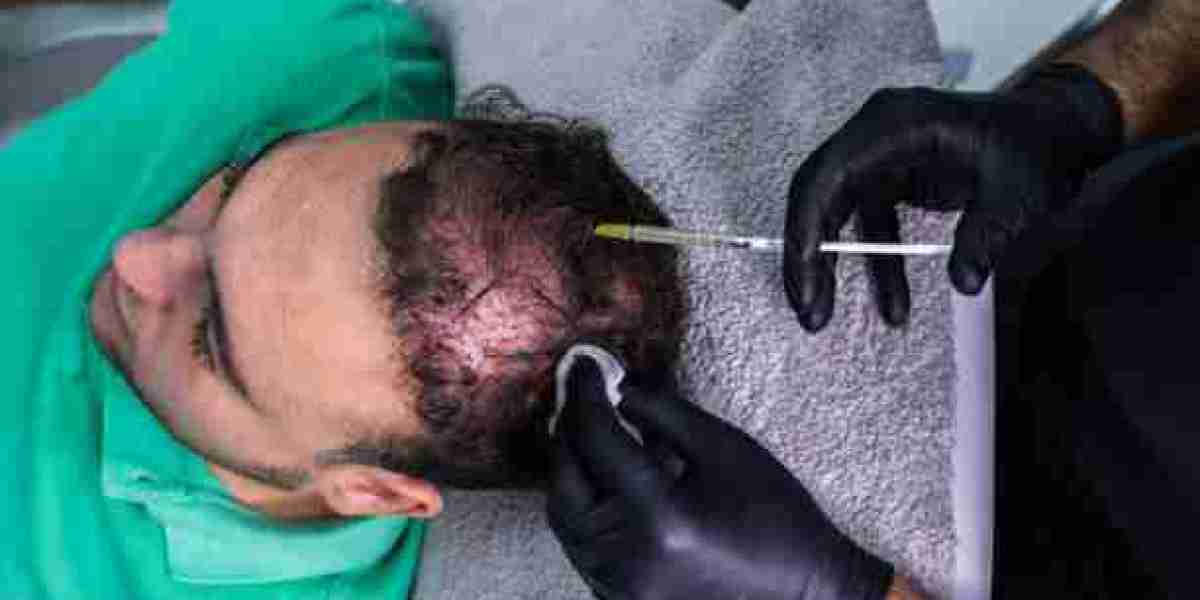
Platelet-rich plasma therapy is a medical procedure that concentrates platelets from a person's blood. Platelets contain growth factors and other biological substances involved in tissue repair and healing. In hair restoration, PRP is injected into specific areas of the scalp with the aim of supporting hair follicle activity and improving hair density.
The treatment generally involves drawing a small blood sample, processing it in a centrifuge to separate its components, and preparing the platelet-rich portion for application. A qualified medical professional then administers the preparation to the targeted scalp areas.
PRP does not involve hair transplantation or the implantation of artificial hair. Instead, it aims to support existing hair follicles. It is generally more appropriate when follicles remain active than when an area has been completely bald for a prolonged period.
What Are the Benefits of PRP Treatment for Hair Thinning in Riyadh?
PRP therapy may offer several benefits for suitable candidates. However, results vary, and scientific evidence remains mixed regarding the degree of improvement that patients can expect.
Supports Natural Hair Growth
PRP contains growth factors that may influence cellular activity around hair follicles. Research suggests that these biological signals may help support hair growth in some people experiencing pattern hair loss.
The treatment works with existing follicles rather than creating new ones. People with early-stage thinning may therefore be more suitable candidates than those with extensive, longstanding hair loss.
May Improve Hair Density
Some clinical studies have reported improvements in hair density following PRP treatment. This can be relevant for people who notice a widening part, reduced volume, or thinning around the crown.
The extent of improvement varies according to the cause and severity of hair loss. PRP should not be presented as a guaranteed way to restore the original thickness of the hair.
Uses the Patient's Own Blood
One feature of PRP therapy is that the preparation comes from the patient's own blood. This reduces concerns associated with introducing donor-derived blood products.
Nevertheless, using a person's own blood does not eliminate every risk. Temporary swelling, tenderness, bruising, infection, and discomfort at injection sites are possible. Appropriate screening and sterile techniques remain essential.
Offers a Non-Surgical Approach
PRP is administered through injections rather than surgery. It does not require the removal or transplantation of hair follicles, and most patients can return to their normal activities relatively quickly.
This approach may appeal to people who want to explore treatment without undergoing a surgical hair restoration procedure. However, multiple sessions may be recommended, and maintenance treatments may be necessary to sustain improvement.
Can Complement Other Hair Loss Treatments
Depending on the diagnosis, PRP may be considered alongside established treatments for hair loss. A dermatologist can assess whether combining approaches is appropriate and whether any underlying scalp condition needs treatment first.
PRP should not automatically replace evidence-based therapies. The most suitable treatment plan depends on the individual's medical history, pattern of hair loss, and response to previous treatment.
Who Is a Suitable Candidate for PRP Hair Treatment in Saudi Arabia?
PRP Hair Treatment in Saudi Arabia may be considered by adults experiencing early or moderate hair thinning, particularly when the hair follicles remain capable of producing hair. People with androgenetic alopecia, commonly known as pattern hair loss, may benefit in some circumstances.
Suitability depends on a medical assessment rather than appearance alone. A healthcare professional may examine the scalp, review the progression of hair loss, and investigate possible contributing factors.
PRP may be less suitable for people with extensive scarring alopecia, inactive follicles in completely bald areas, certain platelet disorders, or specific medical conditions that affect treatment safety. Active scalp infections and some blood-related conditions may also require treatment or further evaluation before proceeding.
Sudden or unexplained hair loss should be assessed before cosmetic treatment is considered. Thyroid disorders, nutritional deficiencies, hormonal changes, medication effects, and inflammatory scalp conditions can contribute to hair thinning and may require different management.
How Does the PRP Hair Treatment Process Work?
The procedure usually involves several stages, beginning with an assessment and ending with aftercare instructions.
Initial Consultation and Scalp Assessment
The medical professional reviews the patient's medical history, examines the scalp, and discusses the pattern and duration of hair loss. Depending on the findings, additional investigations may be recommended to identify possible underlying causes.
This assessment helps determine whether PRP is appropriate and establishes realistic expectations regarding potential improvement.
Blood Collection and Preparation
A small blood sample is collected and processed using a centrifuge. This separates the blood components and allows the platelet-rich plasma to be prepared for treatment.
The preparation method can influence the composition of the final product, so appropriate equipment, handling, and clinical protocols are important.
Application to the Scalp
The prepared PRP is injected into selected areas of the scalp. The number of injections depends on the treatment area and the professional's protocol.
Patients may experience temporary discomfort, tenderness, or mild swelling. The procedure's duration varies according to the area being treated and the preparation method.
Aftercare and Follow-Up
Patients are given instructions about scalp care, washing, exercise, and other activities following treatment. These recommendations can vary depending on the procedure and individual circumstances.
Follow-up appointments help assess progress, monitor side effects, and determine whether additional sessions are appropriate.
How Many PRP Sessions Are Needed for Hair Thinning?
PRP treatment commonly involves an initial series of sessions spaced several weeks apart. The precise schedule varies according to the patient's condition, the preparation method, and the medical professional's recommendations.
Hair growth is gradual, so meaningful changes generally cannot be assessed immediately after treatment. Some patients may notice changes in shedding or hair density over several months, while others may experience little improvement.
Maintenance sessions may be suggested when an initial response is observed. However, the need for maintenance and the best interval between sessions have not been firmly established for every patient.
Consistent follow-up is important because hair loss can progress even when treatment is underway.
What Results Can You Expect From PRP Hair Treatment?
PRP results depend on the underlying cause of hair loss, the condition of the follicles, and the individual's response to treatment. Some studies report improved hair density and thickness, particularly among patients with pattern hair loss, but the quality of evidence varies.
Patients should understand that PRP cannot guarantee new hair growth, reverse every type of hair loss, or permanently stop the progression of hereditary thinning.
Photographs taken under consistent lighting and a medical assessment can help track changes over time. A dermatologist may also recommend combining PRP with other treatments when appropriate.
Understanding PRP Hair Treatment in Saudi Arabia
People researching prp hair treatment cost in saudi arabia may also want to understand the treatment's value, safety, and expected outcomes. Rather than focusing solely on price, it is important to consider the practitioner's qualifications, the quality of the assessment, the preparation method, the proposed treatment schedule, and the availability of follow-up care.
PRP treatment varies between providers, and a higher treatment price does not necessarily mean better results. A clear discussion of the recommended protocol and its limitations can help patients make an informed decision.
People comparing PRP Hair Treatment in Saudi Arabia should also ask whether the treatment is suitable for their specific diagnosis and what alternative options may be available.
Frequently Asked Questions
Is PRP Hair Treatment Effective for Hair Thinning in Riyadh?
PRP may improve hair density in some people, particularly those with pattern hair loss and active hair follicles. However, effectiveness varies, and results are not guaranteed. A medical assessment can help determine whether it is a reasonable option.
How Long Does PRP Hair Treatment Take to Show Results?
Hair changes develop gradually. Some patients may notice improvement after several months, while others experience limited results. Progress depends on the cause of hair loss, the treatment protocol, and individual response.
Is PRP Hair Treatment Safe?
PRP is generally well tolerated when performed by a qualified professional using appropriate sterile techniques. Temporary pain, bruising, swelling, and tenderness can occur. A medical assessment is important to identify potential contraindications.
Can PRP Hair Treatment Regrow Hair in Completely Bald Areas?
PRP is not a reliable method for restoring hair in areas where follicles have been permanently lost or destroyed. It is generally intended to support existing follicles and may be more useful for certain types of early or moderate thinning.
How Often Should PRP Hair Treatment Be Repeated?
The treatment schedule depends on the patient's condition and response. An initial series of sessions may be followed by maintenance treatments when appropriate. The ideal frequency should be determined individually by a qualified medical professional.
Is PRP Hair Treatment Suitable for Men and Women?
PRP may be considered for both men and women experiencing certain types of hair thinning. Suitability depends on the diagnosis, medical history, and condition of the scalp and follicles. A professional evaluation is recommended before treatment.
Conclusion
PRP Treatment for Hair Thinning in Riyadh offers a non-surgical option that may support hair density in selected patients. By using platelet-rich plasma derived from the patient's own blood, the procedure aims to stimulate biological processes around existing hair follicles. Its potential benefits include improvements in hair density and a possible role alongside other hair loss treatments.
However, PRP is not a guaranteed solution, and results depend on the underlying cause of thinning, follicle health, and individual response. A proper diagnosis, realistic expectations, and regular follow-up are essential when considering treatment.
For people exploring PRP Hair Treatment in Saudi Arabia, seeking a professional assessment is a sensible first step. Enfield Royal Clinic Saudi can be considered as a point of contact for learning about available hair restoration services and arranging a consultation to discuss individual suitability, expected outcomes, and appropriate treatment options.