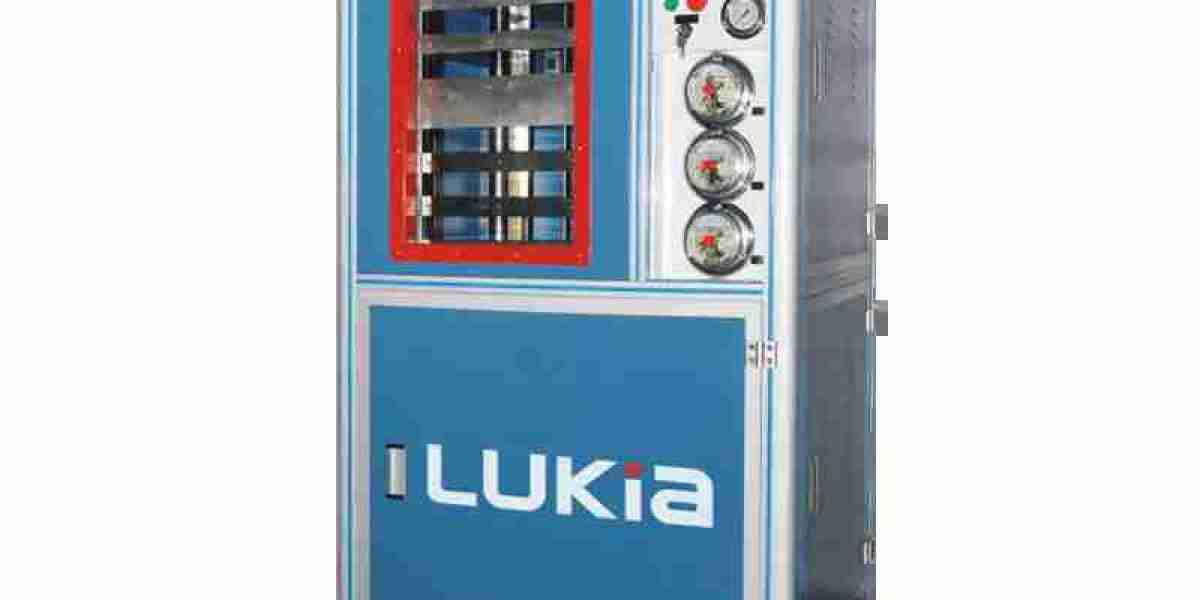

A High Speed Card Laminator is used to bond multiple layers of card material through controlled heat and pressure, followed by cooling. Although two machines may both be described as high-speed models, their output per cycle can vary considerably. The difference often starts with sheet size and the number of cards arranged on each sheet. A smaller-format machine may process around 100 cards per cycle, while a larger system designed for high-volume production may accommodate thousands, depending on its configuration.
Sheet layout is therefore an important part of equipment selection. Standard CR-80 cards are commonly arranged in multiple rows on a sheet, and the number that fits depends on the sheet dimensions and spacing between cards. Larger sheets can accommodate more cards, but they also require compatible laminating plates, suitable handling arrangements, and enough space around the machine. Buyers should compare the actual sheet format and card layout rather than relying on a machine's speed label alone.
Heating and cooling openings also affect production planning. A laminator with several heating and cooling positions can process multiple loads within its operating sequence, supporting higher output when the cycle and material requirements allow it. However, greater capacity usually brings additional considerations, including machine footprint, power demand, cooling equipment, and installation requirements. These details should be checked before selecting a system for an existing production floor.
Temperature and pressure control are especially important when manufacturing contactless IC cards and inlay products. These cards contain embedded components, such as chips and antennas, between material layers. Uneven pressure or inconsistent heating may affect bonding quality or the finished card's flatness. Depending on the application, buyers may compare PID temperature regulation, PLC touchscreen controls, hydraulic pressing systems, and the ability to adjust the heating and cooling sequence. The appropriate control system depends on the material structure and process specifications.
Cooling arrangements deserve attention as well. Some machines use circulating water, while larger systems may require a separate chiller. The choice affects installation planning and operating conditions, so the cooling method should be considered alongside the laminating cycle. Buyers should also confirm the available electrical supply, total machine weight, delivery configuration, and space needed for maintenance access.
A High Speed Card Laminator is only one part of a complete card manufacturing workflow. Once laminated sheets are ready, punching equipment converts them into individual cards. The alignment between the laminator's output format and the puncher's feeding requirements can influence handling time and production continuity. Material compatibility also matters, since films, inlay layers, and laminating pads must suit the selected process.
When comparing a High Speed Card Laminator, manufacturers should look beyond the maximum output figure. Sheet capacity, heating and cooling configuration, process control, utilities, and compatibility with downstream equipment all contribute to practical production performance. Reviewing these specifications together makes it easier to select a machine that matches current demand without overlooking future manufacturing requirements.