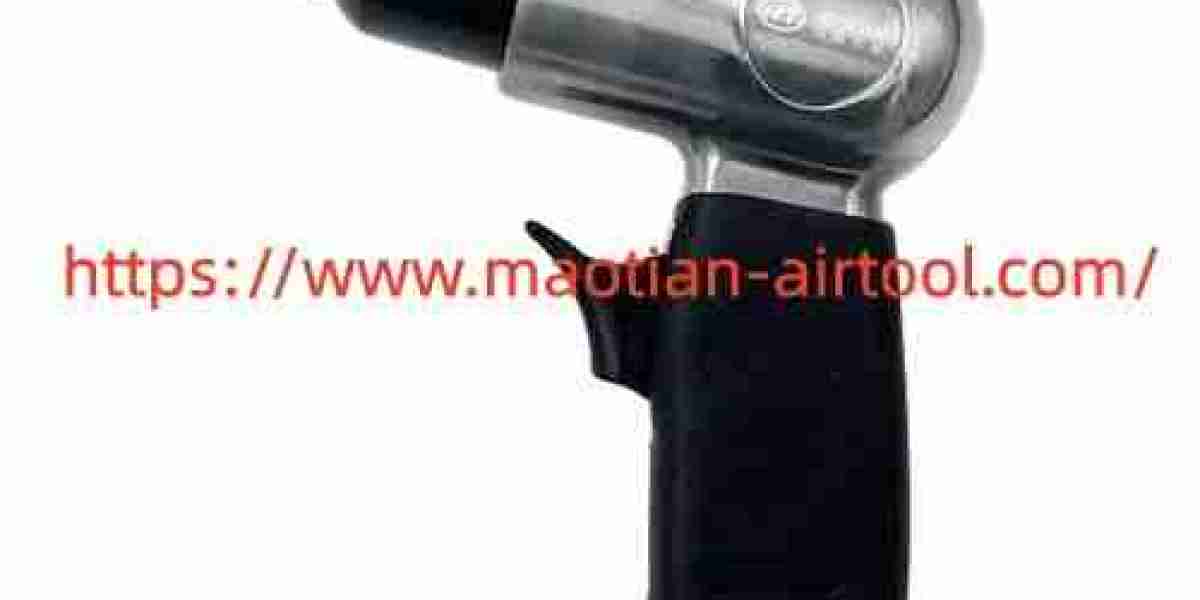

Short Barrel Air Hammer offers a practical option for automotive technicians who need to work around crowded mechanical assemblies and restricted access points. In repair environments, limited clearance can make routine maintenance more complicated, especially when nearby components prevent the use of larger equipment. A compact pneumatic tool can help technicians position their equipment more conveniently, approach selected parts from different angles, and carry out suitable impact operations within confined working areas.
Modern vehicle systems contain numerous closely arranged components. Suspension assemblies, exhaust connections, mounting brackets, and body panels may leave little room for conventional repair equipment. In these situations, tool dimensions can influence how comfortably a technician reaches the intended working point. A compact body may provide additional maneuverability, allowing the operator to position an attachment around nearby structures while maintaining a suitable working angle.
Automotive repair is one application where this design can be useful. During maintenance, technicians may need to loosen corroded fasteners, separate connected metal components, remove selected pins, or perform controlled cutting operations. Access can become particularly challenging underneath vehicles or around suspension systems. Selecting equipment that matches the available clearance helps workshops approach these tasks with greater consideration for surrounding parts and the condition of the workpiece.
However, compact dimensions alone do not determine whether a tool suits a particular application. Buyers should examine impact rate, stroke length, operating pressure, air consumption, and overall weight before making a purchasing decision. These specifications influence how equipment performs under different working conditions. Comparing technical information with actual repair requirements can help workshops select an appropriate model instead of relying solely on its physical appearance.
Attachment compatibility also deserves careful attention. Different repair procedures may require pointed chisels, flat chisels, cutting accessories, or other application specific components. The attachment must match the tool specifications and intended task. Before ordering, purchasing teams should confirm shank dimensions, retaining mechanisms, and compatible accessory options. Having the appropriate components available can help technicians prepare for scheduled work without unnecessary delays caused by unsuitable fittings.
Operator technique remains important when working in restricted areas. Before starting a task, technicians should inspect the workpiece, identify nearby hoses and wiring, and determine whether surrounding components need protection or removal. Maintaining a stable grip and a suitable working angle helps support controlled operation. Applying excessive force or positioning the attachment incorrectly may damage adjacent surfaces, so operators should follow the equipment instructions and use the recommended procedure for each application.
A suitable compressed air supply is another essential consideration. Workshops should verify the specified pressure range, required airflow, hose dimensions, and connector type before connecting pneumatic equipment. An undersized compressor or unsuitable hose arrangement may affect operation during demanding tasks. Regular checks of fittings, hoses, lubrication requirements, and attachment condition can also help identify maintenance issues before they interfere with daily workshop activities.
Safety planning should form part of every purchasing and operating decision. Impact tools can generate considerable noise, vibration, and flying debris, depending on the application and working conditions. Technicians should wear appropriate eye and hearing protection, secure the workpiece, and follow the manufacturer's operating instructions. Disconnecting the compressed air supply before changing attachments or performing maintenance can help prevent accidental activation. Training and routine inspections further support responsible equipment use.
For distributors, repair centers, and wholesale buyers, product evaluation should include more than physical dimensions. Technical documentation, accessory availability, packaging arrangements, maintenance guidance, and supplier communication can all influence the suitability of a purchase. Buyers serving different markets may also need to consider application requirements and local distribution needs. Clear specifications make it easier to compare product configurations and communicate relevant details to end customers.
As a pneumatic equipment manufacturer, Maotian provides product options for businesses evaluating tools for automotive maintenance and mechanical servicing. When comparing models, purchasers should consider the working environment, expected applications, available compressed air capacity, and preferred attachments. These details can help establish whether a compact design fits the intended workload and purchasing requirements.
Choosing suitable equipment begins with understanding the challenges technicians face every day. Restricted access, attachment compatibility, operating specifications, and safe handling all contribute to an informed decision. Workshops and distributors seeking a compact solution for appropriate impact applications can review the product range at https://www.maotian-airtool.com/product/ to compare available options and discuss their requirements with Maotian before placing an order.