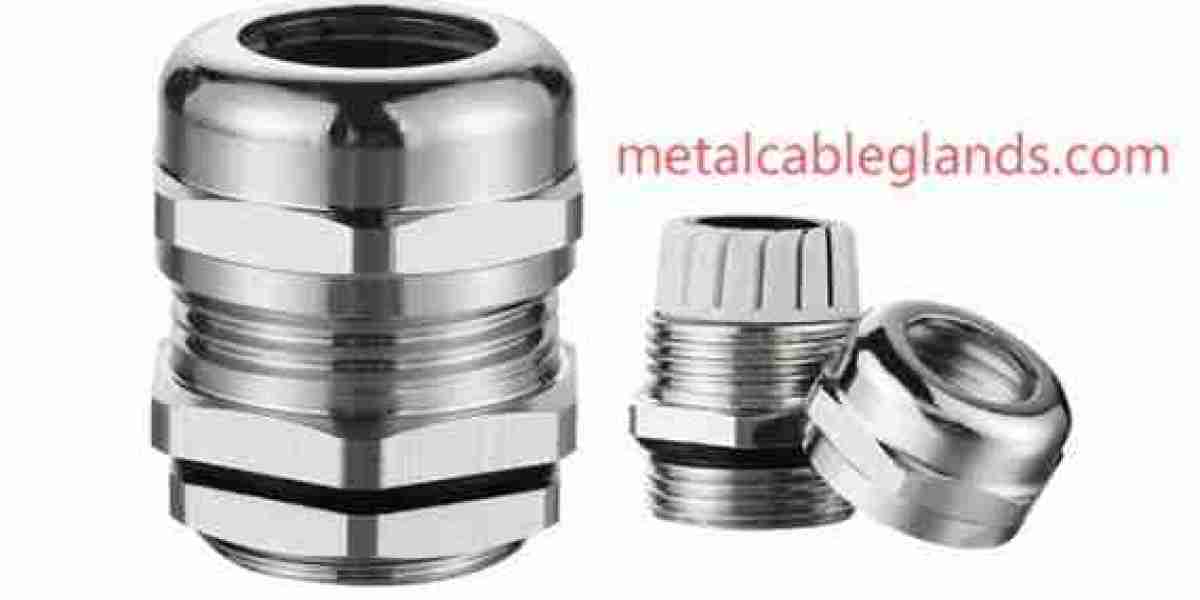

Cable movement, vibration, and repeated handling can create challenges around electrical entry points, particularly where wires need to move without placing excessive stress on their connections. An Anti-Bending Cable Gland can help guide cables as they enter an enclosure, while a suitable Anti-Bending Cable Gland may also help reduce sharp bending near the entry point when correctly selected and installed. Understanding cable diameter, routing direction, material compatibility, and working conditions helps buyers choose a solution that fits their equipment design.
Managing Cable Movement Around Entry Points
Cable entry areas often experience more movement than the rest of an installation. Portable equipment, machinery with moving sections, and tightly arranged control cabinets may expose cables to bending during normal use or maintenance. If the cable repeatedly bends at one concentrated point, its outer jacket and internal conductors may experience unnecessary stress.
A gland with an anti-bending design can help guide the cable through a more gradual transition at the enclosure entry. This can be useful where the cable route needs additional support near the connection. However, the correct product depends on the cable type, installation geometry, and manufacturer's specifications.
Before purchasing, installers should identify where the cable changes direction and determine whether sufficient space is available for the gland's protective section. Planning the route in advance can help prevent interference with nearby components and make the installation easier to maintain.
Matching Cable Dimensions and Gland Structure
Accurate sizing is essential when selecting a cable gland. Buyers should confirm the cable's outer diameter and compare it with the gland's specified clamping range. A component that is too large or too small may not secure the cable as intended.
The entry thread must also match the enclosure opening or the connection accessory being used. Thread standards, mounting dimensions, and available clearance should be checked before an order is placed. Where a project includes multiple cable sizes, preparing a specification list can help purchasing teams distinguish between the required product variations.
The gland's flexible section also deserves attention. Its length, bending characteristics, and construction should suit the cable's routing requirements without forcing the cable into an unsuitable position. Reviewing technical drawings and product information helps buyers assess these details before installation.
MetalCableGlands and Practical Product Selection
Selecting cable protection accessories becomes easier when suppliers receive clear application information. MetalCableGlands provides a starting point for exploring cable gland options and reviewing products designed for different cable entry requirements.
When making an inquiry, buyers can provide the cable diameter, thread type, enclosure material, installation environment, and expected cable movement. A drawing or photograph of the entry area may help explain space restrictions and the direction in which the cable needs to travel.
Purchasing teams should also clarify material preferences and relevant environmental requirements. For example, equipment used outdoors may require different considerations from a protected indoor installation. Buyers should review the product's documented specifications rather than assume that every anti-bending design offers the same degree of moisture resistance or mechanical protection.
Maintaining a record of approved dimensions and product details can simplify repeat purchasing and help ensure that replacement components remain compatible with the original installation.
Considering Materials and Environmental Conditions
Material selection affects how a cable gland suits its operating environment. Nylon options may be considered for applications where lightweight construction and electrical insulation are relevant, while other materials may be appropriate for different mechanical or environmental demands.
The choice should reflect exposure to moisture, temperature changes, vibration, dust, and any substances present around the equipment. Buyers should confirm the applicable operating limits and protection ratings from the product documentation before making a decision.
Cable construction matters as well. The gland must be compatible with the cable jacket and should not introduce excessive compression or an unsuitable bending radius. Installers should follow the manufacturer's instructions for tightening, cable positioning, and sealing to help maintain the intended performance of the complete assembly.
Improving Installation and Maintenance Practices
A well-planned cable entry arrangement supports easier inspection and servicing. During installation, technicians should check the cable route for sharp turns, tension, and contact with nearby edges. The cable should enter the enclosure in a way that suits its construction and the requirements of the equipment.
Routine inspections can help identify jacket wear, loosening, cracking, or other visible changes around the entry point. If equipment experiences frequent movement, inspection intervals should reflect the operating conditions and the manufacturer's recommendations.
Keeping installation details and replacement specifications on record can also help maintenance teams select compatible parts when repairs are needed. For businesses planning new installations or updating existing equipment, reviewing cable routing and gland selection together can make the overall design more practical. Explore cable entry products and related accessories at https://www.metalcableglands.com/ to compare available options for your application.