
Quality and safety are important in the pharmaceutical industry. Medicines must be checked carefully before they reach patients. This is especially important for injectable medicines, which are often supplied in prefilled syringes. These syringes contain a measured dose of medicine and are designed to make administration easier for healthcare professionals and patients.
However, packaging defects and leaks can affect product quality. Pharmaceutical companies need suitable inspection and testing methods to identify possible problems and check that their testing systems work correctly.
A prefilled syringe defect kit and positive control leak standards can support different parts of pharmaceutical quality control. These tools can help teams practise identifying defects and evaluate whether leak testing methods can detect known leaks.
FTI Incorporation works in the pharmaceutical quality and inspection product space. Understanding these tools can help pharmaceutical professionals choose suitable products for their testing and training needs.
What Is a Prefilled Syringe Defect Kit?
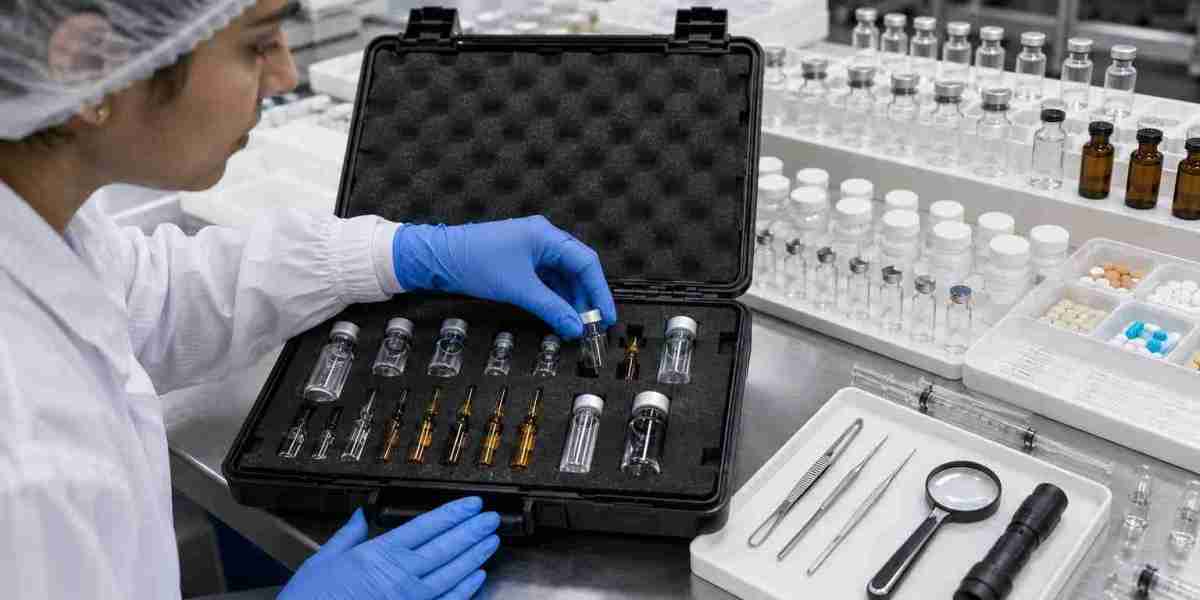
A prefilled syringe defect kit is a training or assessment tool designed to help pharmaceutical professionals learn about defects that may appear in prefilled syringes. The kit may contain samples with known or representative defects that can be used during inspection exercises.
Prefilled syringes need careful inspection because their components must work together to protect the medicine and support proper use. Depending on the product and kit design, training materials may represent defects in the syringe barrel, stopper, needle shield, or other components.
Examples of defects that may be included in an inspection exercise are:
- Visible particles or foreign matter
- Cracks or damage to the syringe barrel
- Problems with the stopper or other components
- Cosmetic defects that require evaluation
- Packaging damage that may affect product acceptability
The actual defects included depend on the kit. Not every prefilled syringe defect kit contains all these examples, so companies should review the supplier's product details before purchasing.
Why Is a Prefilled Syringe Defect Kit Important?
A defect kit can help make pharmaceutical inspection training more practical. Instead of learning only from written instructions, staff can examine samples and practise identifying the defects they may encounter during their work.
1. Supports Inspector Training
New employees can use suitable samples to learn about different types of syringe defects. Experienced inspectors may also use training materials during refresher sessions.
2. Helps Improve Defect Recognition
Repeated practice can help staff become more familiar with the defects included in the training exercise. Inspectors can learn to follow defined inspection steps and record their findings correctly.
3. Supports Consistent Inspection Procedures
A structured training programme helps staff follow the same instructions and assessment rules. This can support a more consistent approach to visual inspection.
4. Helps Assess Inspection Skills
When the kit includes known defect information and suitable assessment guidance, a company may use it to evaluate whether an inspector can identify specified defects correctly.
However, using a defect kit alone does not automatically qualify an inspector or validate the entire inspection process. Companies need suitable training, defined acceptance criteria, documented results, and review under their quality system.
What Are Positive Control Leak Standards?
Positive control leak standards are reference devices or test samples designed to represent a known leak or a defined leak condition. They help companies check whether a leak testing method can detect the type of leak it is intended to identify.
In simple words, a positive control is something that should produce a positive result when tested correctly. If a test is designed to detect a particular type of leak, the positive control helps show whether the system can recognise that leak under the selected conditions.
Why Are Positive Control Leak Standards Important?
Leak testing is an important part of pharmaceutical packaging quality. A leak may allow unwanted substances to enter a package or permit product contents to escape. For certain products, a loss of container integrity can affect product quality and protection.
Positive control leak standards can support quality control in several ways.
Checking test performance: A suitable positive control helps determine whether the testing method detects the expected leak condition.
Supporting method validation: During validation, companies gather evidence that a test method is suitable for its intended purpose. Positive controls can form part of that evidence when appropriate.
Helping identify problems: If the control does not produce the expected result, the team can investigate the equipment, settings, test procedure, and sample condition.
Supporting documentation: Recording the results creates a useful record of how the test system performed during the check.
Improving confidence: Expected positive control results provide evidence that the method responded correctly to the specific control used. They do not prove that every possible leak will be detected.
A positive control should always be used according to the supplier's instructions and the company's approved testing procedure.
How Are Defect Kits and Leak Standards Different?
A prefilled syringe defect kit and positive control leak standards serve related but different purposes.
A prefilled syringe defect kit mainly supports visual inspection training or assessment. It helps staff learn to recognise specified defects in syringe samples.
Positive control leak standards support leak testing. They help a company check whether a method can identify a known leak under defined conditions.
The right tools depend on the company's products, packaging design, testing methods, and quality requirements.
How to Choose the Right Products
Choosing suitable testing and training tools is an important step for pharmaceutical manufacturers. Before purchasing a prefilled syringe defect kit or positive control leak standards, consider the following points.
Intended Use
Decide whether the product is needed for staff training, inspection assessment, equipment checks, method development, or validation.
Sample Types
For a defect kit, check which syringe components and defect types are represented. For leak standards, review the defined leak characteristics and the testing methods they support.
Compatibility
Make sure the product is appropriate for the intended syringe or packaging system and the equipment used for testing.
Technical Documentation
Review available instructions, specifications, sample identification details, and calibration information where applicable.
Acceptance Criteria
Establish clear criteria for deciding whether an inspection or testing exercise has passed. These criteria should be defined before the assessment begins.
Supplier Support
Choose products with clear documentation and ask the supplier questions if the intended use or limitations are not clear.
Careful product selection can help teams avoid using tools that do not meet their actual requirements.
How FTI Incorporation Can Support Pharmaceutical Quality Needs
FTI Incorporation operates in the pharmaceutical quality and inspection product space. Pharmaceutical professionals researching a prefilled syringe defect kit or positive control leak standards should look for products that match their intended applications and provide clear technical information.
Choosing suitable tools can help organisations structure their training activities, evaluate inspection methods, and maintain useful quality records. The best choice depends on the type of syringe, the packaging system, and the testing process involved.
Conclusion
A prefilled syringe defect kit can help pharmaceutical teams practise identifying syringe defects and assess inspection skills. Positive control leak standards can help determine whether a suitable leak testing method detects a known leak condition.
FTI Incorporation can be considered when researching pharmaceutical inspection and testing products. By confirming product details and choosing tools that match their needs, pharmaceutical professionals can support consistent inspection practices and more reliable quality control.
Office Address
Head office: Forensic Technological Innovation, Incubated at National Forensic Sciences University, Sector 9, Gandhinagar Gujarat 382007, India.
Manufacturing Unit: Shukan Industrial Park, GIDC, Sector 26, Gandhinagar, Gujarat 382610
USA office: 58 Albert Ct, City: Randolph, State: New Jersey Zip code: 07869 USA
Europe office: Jisperveldstaart, 1024AT, Amsterdam
Contact Us
+91–9638344845
+91–9654428259
+91–8888860585
info@ftinfsu.org
fti.nfsu@gmail.com