
Choosing a body contouring procedure involves understanding your goals, body composition, health history, and expectations. liposuction in Riyadh (عملية شفط الدهون في الرياض) is an option for individuals who want to address localized fat deposits that remain despite a balanced diet and regular physical activity. However, every person's body is different, which means a treatment plan should be tailored to individual needs rather than following a standard approach.
Liposuction is a surgical procedure designed to remove excess fat from specific areas of the body. Surgeons evaluate several factors before recommending an appropriate technique, treatment area, and recovery plan. Understanding how this process works can help individuals make informed decisions about liposuction Surgery in Saudi Arabia and develop realistic expectations about potential results.
Understanding Personalized Liposuction Treatment
Personalized liposuction treatment begins with an assessment of the individual's body shape, health, and desired outcome. Rather than focusing exclusively on fat removal, surgeons consider how the treated area will complement the body's overall proportions.
Assessing Individual Body Goals
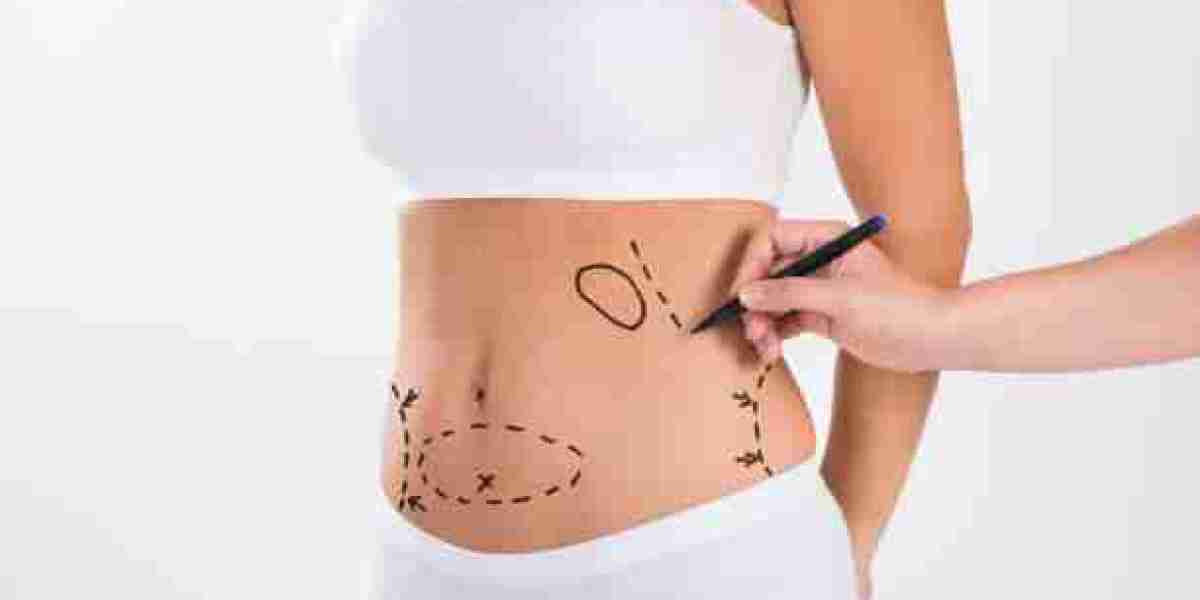
During an initial consultation, the surgeon discusses the patient's concerns and the changes they hope to achieve. Some individuals want a more defined waistline, while others may be concerned about fat around the abdomen, thighs, hips, or upper arms.
The surgeon evaluates whether liposuction is appropriate for these goals and explains the procedure's potential benefits and limitations. Liposuction is intended for body contouring rather than general weight loss, and it does not guarantee a particular appearance.
Reviewing Medical History and Overall Health
Medical history plays an essential role in developing a safe treatment plan. Surgeons may ask about existing medical conditions, previous operations, allergies, medications, smoking, and any history of complications with anesthesia.
This information helps determine whether additional assessments or precautions are necessary before surgery. Individuals should provide accurate medical information and discuss any concerns openly. Depending on their health and circumstances, some patients may need to postpone treatment or consider alternative approaches.
Evaluating Body Composition and Skin Elasticity
A person's body composition can influence the suitability and expected outcome of liposuction. Surgeons assess the distribution of fat, the condition of the skin, and the underlying body contours before recommending treatment.
Understanding Localized Fat Deposits
Liposuction may be suitable for people with localized fat deposits that do not respond as expected to diet and exercise. Common treatment areas include the abdomen, flanks, thighs, hips, upper arms, back, and selected areas beneath the chin.
The surgeon examines these areas to determine where fat removal may improve body proportions. The amount of fat that can be safely removed depends on individual circumstances, the treatment area, and overall health.
Assessing Skin Elasticity
Skin elasticity influences how the skin may adapt after fat removal. Skin with good elasticity generally has a better ability to contract around the newly contoured area, although individual results vary.
If significant skin laxity is present, liposuction alone may not address the patient's concerns. The surgeon may discuss the limitations of fat removal and whether another procedure or a different treatment strategy would be more appropriate.
Selecting the Appropriate Liposuction Technique
Different liposuction techniques use different methods to loosen and remove fat. The most suitable approach depends on the treatment area, the patient's anatomy, the surgeon's expertise, and the equipment available.
Traditional Liposuction
Traditional liposuction typically involves inserting a thin cannula through small incisions to remove unwanted fat. The surgeon carefully moves the cannula to address targeted deposits while shaping the surrounding area.
This technique can be used in several body regions. Its suitability depends on the patient's needs, the planned extent of treatment, and the surgeon's assessment of safety and expected results.
Laser-Assisted Liposuction
Laser-assisted liposuction uses laser energy to help disrupt fat before removal. It may be considered for selected treatment areas, depending on the patient's anatomy and the specific device used.
Patients should understand that laser-assisted techniques are not automatically more effective or safer for everyone. The surgeon should explain the expected benefits, limitations, potential complications, and how the proposed method compares with other suitable options.
VASER Liposuction
VASER liposuction uses ultrasound energy to help separate fat cells before they are removed. It may be considered when treating selected areas that require careful contouring.
The technique is not suitable for every patient, and results depend on several factors, including anatomy, skin quality, and surgical technique. During a consultation, patients can ask why a particular method is being recommended and whether another approach might better suit their goals.
Planning Treatment Areas and Body Proportions
A personalized plan considers how each treatment area relates to the rest of the body. Removing fat from one region without considering surrounding contours may not produce the balanced appearance a patient expects.
Abdominal and Waistline Contouring
For individuals concerned about abdominal fullness or fat around the waist, the surgeon assesses fat distribution, skin condition, and overall abdominal shape. The plan may focus on selected areas of the abdomen and flanks to improve proportions.
However, liposuction does not correct every cause of abdominal enlargement. It cannot remove internal visceral fat or reliably repair separated abdominal muscles. These concerns require an appropriate medical assessment and may call for different treatment options.
Thigh, Hip, and Arm Contouring
Fat deposits around the thighs, hips, and upper arms can affect the overall silhouette. Surgeons evaluate the shape of these areas and consider how fat removal might influence symmetry and natural proportions.
The objective is to create a balanced contour while avoiding excessive fat removal. Patients should discuss their priorities and understand that perfect symmetry cannot be guaranteed.
Establishing Realistic Expectations and Safety Measures
An important part of treatment planning is explaining what liposuction can realistically accomplish. Although the procedure can change body contours, it does not guarantee a specific size, weight, or level of definition.
Discussing Potential Benefits and Limitations
During the consultation, the surgeon should explain the expected changes, possible limitations, and factors that may influence the outcome. These include skin elasticity, existing body proportions, healing, and the amount of fat that can be safely removed.
Patients should also understand that liposuction is not a treatment for obesity or a substitute for healthy lifestyle habits. Maintaining a stable weight can help preserve the results, although future weight changes and ageing may alter body contours.
Understanding Risks and Precautions
Like other surgical procedures, liposuction carries risks. These may include swelling, bruising, infection, bleeding, fluid accumulation, irregular contours, changes in sensation, and complications associated with anesthesia. Rare but serious complications can also occur.
Before proceeding, patients should receive a clear explanation of the risks, necessary medical evaluations, and available safety measures. Choosing a suitably qualified and experienced surgeon who operates in an appropriately equipped facility is an important part of informed decision-making.
Preparing for Surgery and Recovery
Preparation and aftercare are important elements of a personalized liposuction plan. The surgeon provides instructions based on the procedure, the patient's health, and the anticipated recovery process.
Following Preoperative Instructions
Before surgery, patients may need medical examinations, laboratory tests, or changes to certain medications under professional guidance. Smoking, supplements, and medications that affect bleeding should be discussed with the surgical team.
Patients should never stop prescribed medication without consulting the clinician responsible for their care. Following individualized instructions can help reduce avoidable risks and prepare the patient for surgery.
Understanding the Recovery Timeline
Recovery varies according to the treatment area, extent of surgery, and individual healing response. Swelling and bruising are common during the early recovery period, and the final contours may take several months to become apparent.
Surgeons may recommend compression garments, appropriate movement, activity restrictions, and scheduled follow-up appointments. Patients should follow their own postoperative instructions rather than comparing their recovery with someone else's experience.
Severe or worsening pain, difficulty breathing, chest pain, fever, or other concerning symptoms require prompt medical assessment. Breathing difficulties or chest pain warrant emergency care.
Liposuction Surgery in Saudi Arabia: Making an Informed Decision
People researching liposuction Surgery in Saudi Arabia should evaluate more than the technique being offered. Understanding the surgeon's qualifications, the treatment facility, the proposed approach, and the arrangements for postoperative care can help patients make informed decisions.
Questions to Discuss During Your Consultation
Before deciding on treatment, patients should ask questions that clarify the procedure and its suitability.
Am I a suitable candidate for liposuction?
Which technique is appropriate for my body and treatment goals?
What results are realistic in my circumstances?
What complications should I understand before proceeding?
What type of anesthesia and postoperative care will be required?
How long might recovery take, and when can I resume normal activities?
Clear answers can help patients understand their options and make decisions based on medical advice rather than promotional claims.
Frequently Asked Questions
What Is Liposuction in Riyadh Used For?
liposuction in Riyadh refers to liposuction treatment sought in Riyadh for removing localized fat deposits and improving body contours. It is generally intended for body shaping rather than significant weight loss.
Who Is a Suitable Candidate for Liposuction?
Suitable candidates are generally adults in good overall health who have localized fat deposits, realistic expectations, and sufficient skin elasticity for the intended procedure. A qualified surgeon must assess individual suitability.
Which Liposuction Technique Is Best?
There is no single technique that is best for everyone. Traditional, laser-assisted, and ultrasound-assisted approaches may be appropriate in different circumstances. The choice depends on the patient's anatomy, goals, health, and the surgeon's assessment.
Does Liposuction Permanently Remove Fat?
Liposuction removes fat cells from treated areas, so some changes can be long-lasting. However, remaining fat cells can enlarge with weight gain, and ageing can change the body's appearance. Stable weight management helps maintain results.
How Long Does Liposuction Recovery Take?
Initial recovery may take days to weeks, depending on the extent of surgery and individual healing. Swelling can persist for several months, so final results may take time to become visible. The surgeon should provide a personalized recovery timeline.
How Can I Choose a Liposuction Surgeon in Saudi Arabia?
Review the surgeon's relevant qualifications, experience, and approach to patient safety. Ask about the surgical facility, potential complications, expected outcomes, and follow-up arrangements. A thorough consultation should provide clear information without promising guaranteed results.
Conclusion
Personalized liposuction treatment involves much more than choosing a fat removal technique. A careful assessment of body composition, skin elasticity, medical history, treatment goals, and recovery needs helps surgeons develop an appropriate plan for each individual. People considering liposuction in Riyadh should understand the potential benefits and limitations, review the risks, and seek advice from a suitably qualified medical professional before making a decision.
For individuals exploring body contouring options and liposuction Surgery in Saudi Arabia, Enfield Royal Clinic Saudi can be considered as a starting point for learning about available aesthetic services and consultation options. Prospective patients should independently verify the treating surgeon's qualifications, the facility's suitability, and the details of any proposed procedure before proceeding.