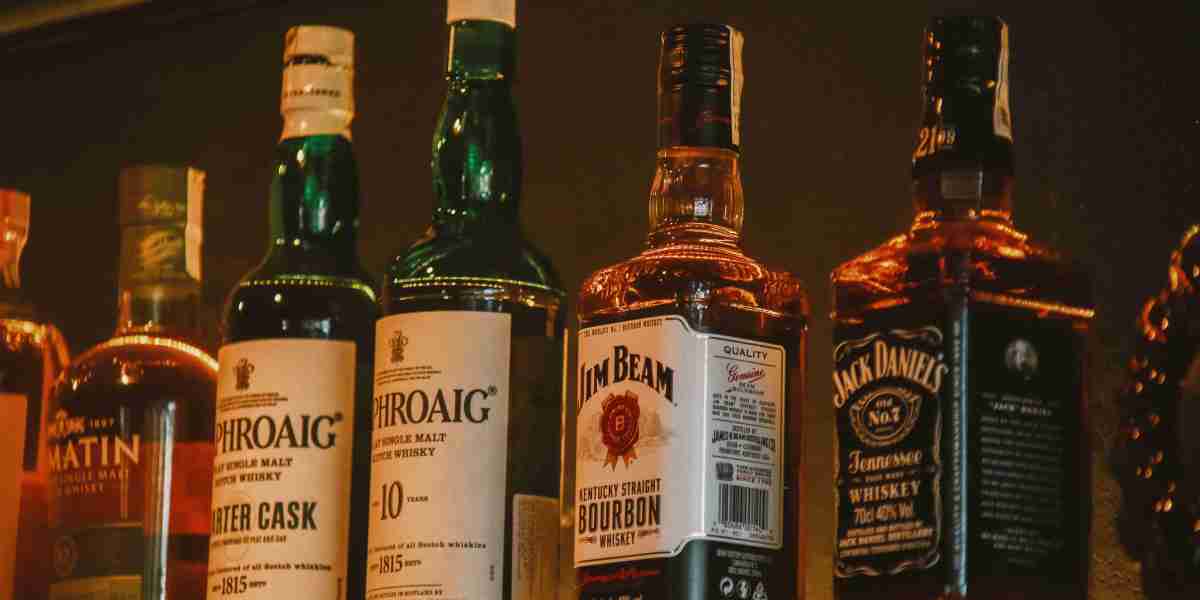

The spirits growth market reflects the changing preferences of consumers, evolving beverage experiences, and the continuous development of alcoholic beverage products. Spirits remain an important part of the beverage industry, with different product categories appealing to consumers through their distinctive flavors, production methods, cultural associations, and serving occasions. As consumer expectations continue to change, manufacturers and brands are exploring ways to improve their product offerings, establish recognizable identities, and connect with different audiences. The market's development is influenced by purchasing preferences, product accessibility, brand positioning, and the ability of companies to respond to changing consumption habits.
An important aspect of this evolving industry is the growing interest in premium alcoholic beverages, which reflects consumer attention toward product quality, distinctive flavor profiles, appealing packaging, and carefully developed brand experiences. This interest encourages producers to explore new product concepts while maintaining consistency in taste and presentation. Premium positioning can also help brands differentiate their offerings in a competitive marketplace where consumers have access to a broad selection of spirits.
Changing Consumer Preferences
Consumer preferences play an important role in shaping the direction of the spirits industry. Buyers often consider flavor, aroma, product origin, brand reputation, and the intended drinking occasion when selecting beverages. Some consumers prefer familiar products with established identities, while others enjoy exploring new flavors and contemporary beverage concepts. These different preferences create opportunities for manufacturers to serve multiple consumer segments without relying on a single product strategy.
Brands increasingly emphasize the experience associated with their products. Packaging, product storytelling, serving suggestions, and visual presentation can influence how consumers perceive a beverage. Companies that communicate their product characteristics clearly may find it easier to establish stronger relationships with their target audiences.
The growing importance of individual preferences also encourages producers to review their existing portfolios. Maintaining a balance between established products and new offerings can help businesses respond to changing expectations while preserving brand recognition.
Product Innovation and Differentiation
Innovation is an important consideration for spirits manufacturers seeking to distinguish their products. Flavor experimentation, alternative ingredients, distinctive production techniques, and refreshed packaging concepts can contribute to product differentiation. However, innovation must be supported by consistent quality and a clear understanding of the intended audience.
Companies may explore different approaches to presenting familiar spirits, including new cocktail applications, contemporary packaging, and products designed for particular occasions. Such approaches allow brands to create interest without necessarily abandoning their established identities.
Product development also requires careful attention to consumer feedback. Understanding how customers respond to taste, presentation, and product positioning can help manufacturers refine their offerings. Businesses that combine creative development with reliable production practices may be better positioned to maintain customer interest over time.
Distribution and Brand Visibility
Distribution remains an important consideration in the spirits market. Products need to reach appropriate retail outlets, hospitality businesses, and legally permitted sales channels to connect with their intended consumers. A strong distribution strategy can improve product availability and support brand visibility across relevant markets.
Digital communication also contributes to brand discovery. Company websites, product information, and responsible brand storytelling can help consumers understand product characteristics and differentiate among available options. At the same time, businesses must follow applicable advertising, labeling, age-restriction, and alcohol marketing regulations.
Challenges and Future Opportunities
Spirits manufacturers face challenges involving competition, production costs, regulatory requirements, changing consumer attitudes, and the need to maintain consistent quality. Businesses must also consider responsible consumption and the expectations of communities and regulators.
Future opportunities may emerge through thoughtful product development, improved packaging, stronger distribution relationships, and a deeper understanding of consumer preferences. Companies that focus on quality, transparency, responsible marketing, and meaningful differentiation can strengthen their position in an evolving marketplace.
Frequently Asked Questions
FAQ 1: What influences the spirits growth market?
Consumer preferences, product innovation, brand positioning, distribution, regulatory conditions, and competition all influence the development of the spirits market.
FAQ 2: Why is product differentiation important for spirits brands?
Product differentiation helps brands communicate their unique characteristics, appeal to relevant consumer segments, and establish a recognizable identity in a competitive marketplace.