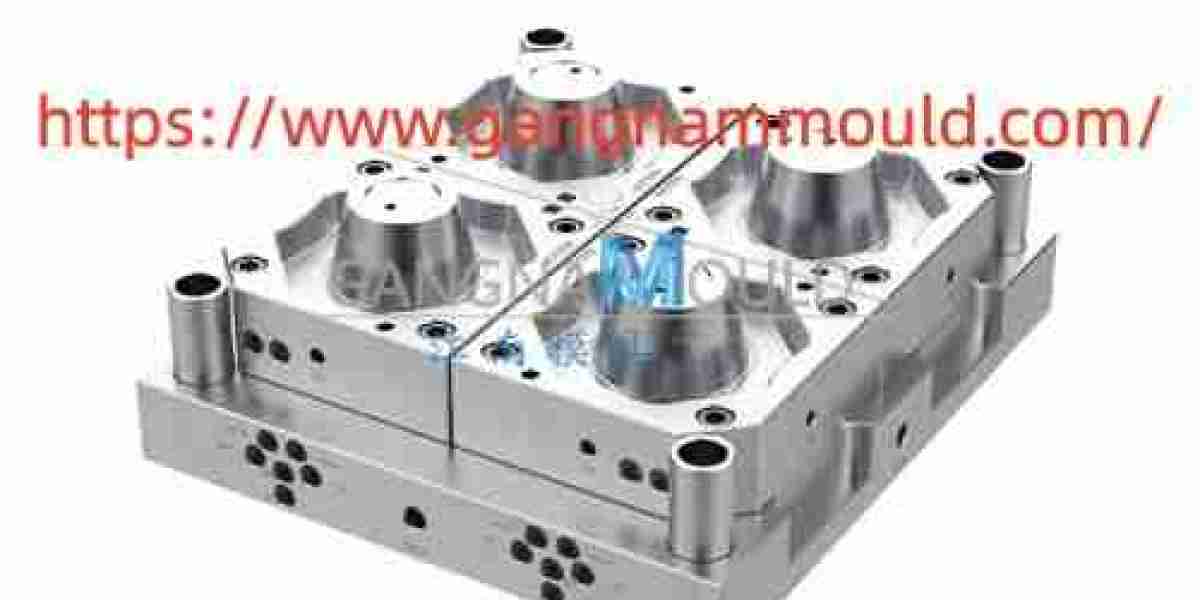

Plastic Kitchenware Mould development gives manufacturers a practical way to transform creative concepts into functional products for everyday cooking, food preparation, and storage. From measuring cups and mixing bowls to seasoning containers and kitchen utensils, customized tooling allows businesses to develop specific shapes, dimensions, textures, and functional details. For brands planning a new collection, the process begins by connecting the intended user experience with realistic manufacturing requirements. Careful planning can help reduce design changes, clarify production expectations, and create a smoother transition from an initial idea to a finished product.
A successful product concept starts with understanding how people will use the item. A measuring spoon needs clear volume markings and a comfortable handle, while a food storage container may require stackable geometry, secure lid engagement, and convenient cleaning. These practical details influence the shape of the component and the structure of the tooling. Designers should consider grip, balance, edge transitions, and overall dimensions before finalizing the product model. When usability is considered early, the resulting design can better reflect the needs of its intended customers.
Digital product modeling helps turn these requirements into technical information. Three dimensional drawings allow engineers to review wall thickness, draft angles, ribs, openings, and connecting features before machining begins. Potential manufacturing issues can be identified during this stage, including difficult release areas, uneven wall sections, and features that may require complex tooling mechanisms. Design for manufacturability reviews help determine whether a proposed shape can be produced using a practical molding process. Adjustments made during planning may prevent costly revisions after the tooling has been built.
Material selection is another important part of product development. Polypropylene may suit many lightweight household items, while other applications may call for different polymers according to flexibility, impact resistance, transparency, or temperature requirements. The choice depends on the intended use, processing conditions, applicable regulations, and expected service environment. For products that contact food, buyers should verify that the selected resin and finished article meet the relevant food contact requirements in their target markets. Material suitability should be confirmed through appropriate documentation and testing rather than assumptions based on appearance alone.
Tooling configuration influences how the design moves into production. Cavity quantity, gate position, runner layout, cooling channels, and ejection mechanisms must work together to support the intended part geometry. For example, a container with a broad base and narrow corners may need careful cooling evaluation to help manage shrinkage and deformation. A utensil with a long handle may require attention to filling balance and release direction. Reviewing these factors during development helps engineers make informed decisions about manufacturing equipment, expected cycle conditions, and inspection requirements.
Surface appearance also contributes to how a kitchen product is perceived and used. Smooth surfaces may be suitable for some utensils and containers, while textured finishes can provide a different visual effect or improve grip. Logos, measurement markings, decorative patterns, and molded identification details may also be incorporated into the design where technically appropriate. Each feature should be assessed for its effect on tooling complexity, cleaning needs, and production consistency. By defining appearance requirements early, buyers can communicate their expectations clearly and reduce misunderstandings during sampling.
Prototype evaluation and trial molding provide a useful opportunity to check whether the concept performs as intended. Sample parts can be assessed for dimensions, fit, handling comfort, surface appearance, and compatibility with related components. For containers with lids, testing the connection and opening experience can reveal adjustments that may not be obvious in a digital drawing. Feedback from product designers, quality personnel, and potential users can guide revisions before regular production begins. A documented review process also helps ensure that agreed changes are reflected in the final specifications.
Choosing a tooling partner involves assessing technical communication, design review capabilities, machining resources, inspection procedures, and support during testing. Buyers can prepare dimensioned drawings, three dimensional files, reference samples, material preferences, target quantities, and intended applications before requesting a quotation. These details help the manufacturer evaluate the scope of work and identify questions that need to be resolved. Gangnammould works with customized plastic tooling projects for different household product applications, helping customers connect design specifications with practical manufacturing considerations.
A new kitchen product may begin with a simple sketch, but its development depends on coordinated decisions about usability, materials, structure, and production. Clear requirements and early engineering discussions help businesses move through development with a more defined plan. Whether you are preparing a new utensil, container, or other household product, you can review tooling solutions and company capabilities at https://www.gangnammould.com/ and discuss how a customized manufacturing approach may support your next product concept.