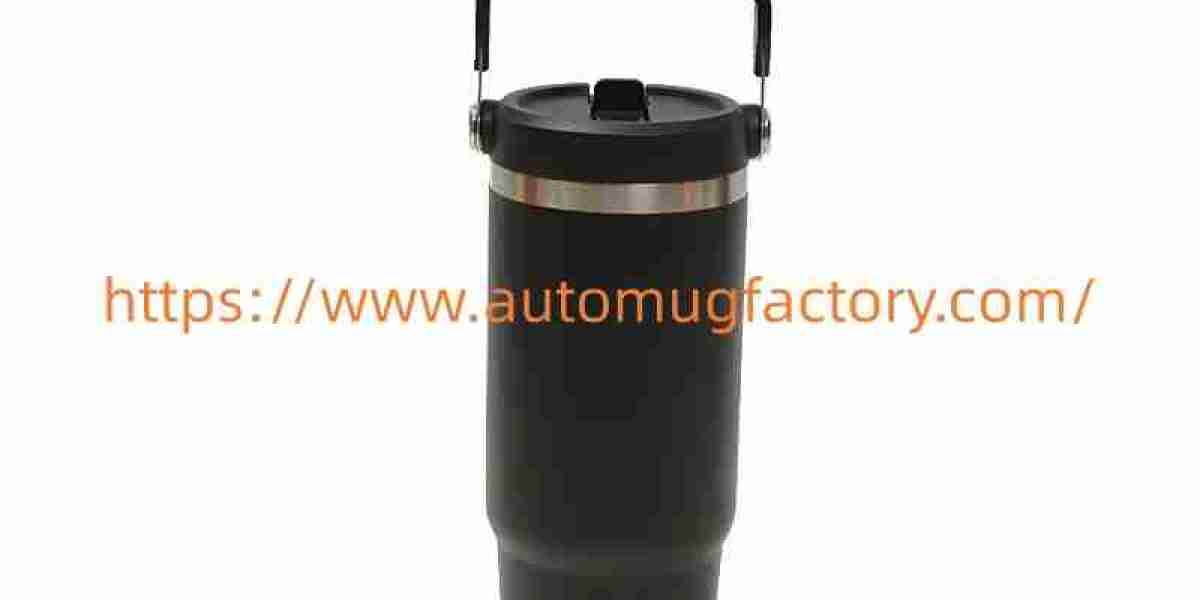

The way people carry and consume beverages has changed alongside busy schedules and increasingly mobile lifestyles. From keeping water nearby during work to packing drinks for a weekend journey, reusable containers need to fit naturally into different routines. A Stainless Steel Bottle can serve these varied needs when its material, construction, closure, and exterior design are developed around practical use rather than appearance alone.
The choice of body material influences how a bottle feels, looks, and withstands repeated handling. Stainless steel is widely used in reusable drinkware because it offers a firm structure and supports a range of finishing techniques. Depending on the intended market, its exterior can have a subtle brushed texture, a smooth polished appearance, or a colored coating. These options allow designers to create different product identities while retaining the recognizable character of metal drinkware.
The supporting components deserve their own evaluation. A bottle may include a lid, sealing ring, carrying loop, grip area, or protective base, with each part serving a different purpose. Material compatibility matters because components need to function together during opening, closing, carrying, and cleaning. Buyers should consider the complete assembly instead of judging quality solely by the body material or the visual impression presented in a product image.
A useful buying process starts with the situations in which the bottle will be used. For workplace routines, users may prefer a simple closure and an exterior that fits comfortably into a professional setting. For travel, secure storage and easy carrying may become more important. Products intended for outdoor recreation may benefit from surfaces that are easier to grip and shapes that are convenient to handle while moving. These distinctions help buyers identify relevant features before comparing designs.
Closure engineering can significantly influence daily convenience. Traditional screw lids provide a familiar way to seal a container, while flip-top openings, push-button mechanisms, and straw lids offer alternative interactions. The appropriate choice depends on how users prefer to drink and how much maintenance they are willing to undertake. Mechanisms with several removable pieces may offer convenient access but can require more attention during cleaning and reassembly.
Thermal construction should also match the intended application. Some bottles use insulated walls to reduce heat exchange between the beverage and the surrounding environment. The neck, lid, and seals remain important because the complete structure determines how the bottle manages temperature. Buyers should distinguish between products designed primarily for carrying drinking water and those developed for maintaining beverage conditions during longer periods away from home.
Manufacturing craftsmanship influences the transition from a design concept to a finished product. Forming shapes the body, joining methods connect structural sections, and polishing or coating refines the exterior. Assembly brings together the body and its functional components, while inspection helps identify visible inconsistencies or problems with component fit. Coordination between these stages is important because a well-designed concept still needs consistent execution to deliver the intended experience.
Quality assessment should include the details users encounter during ordinary handling. The lid should attach naturally, the drinking opening should be comfortable to use, and the exterior should have a consistent finish. Removable components should be straightforward to understand, while sealing parts should fit correctly within the intended design. Businesses sourcing drinkware can discuss sample approval, inspection practices, and product requirements before confirming a customized design.
Comfort is closely connected to shape and balance. A bottle with a practical contour may feel easier to hold, while a suitable surface texture can support a more secure grip. The base should sit steadily on appropriate flat surfaces, and the overall form should be convenient to place in a bag or storage compartment. Carrying loops and handles can improve portability when they are designed for the product's intended use rather than added solely for decoration.
Cleaning is another important part of the long-term experience. Threads, seals, drinking openings, and lid mechanisms can collect residue during regular use. Designs that make these areas accessible can simplify routine care and reduce frustration. Buyers should check the manufacturer's cleaning instructions and consider whether the recommended process suits the intended audience. Straightforward maintenance is especially relevant for drinkware used repeatedly in different environments.
Appearance helps connect the bottle with a particular lifestyle or brand. Minimalist contours and restrained finishes may suit professional merchandise, while brighter colors and distinctive textures can appeal to lifestyle-oriented collections. Logos, printed graphics, and coordinated accessories provide further opportunities for personalization. These visual elements work best when they complement the bottle's shape and handling characteristics rather than making everyday use less convenient.
Yongkang Xiaoyu Industry & Trade Co., Ltd. operates in the reusable drinkware sector, where material choices, product construction, and appearance all contribute to product development. Businesses exploring customized drinkware can clarify their intended market, preferred finishes, closure concepts, branding approach, and maintenance expectations before discussing design possibilities with a manufacturing partner. This process helps connect creative direction with practical production considerations.
For businesses researching drinkware concepts, customized product development, or manufacturing options for different markets, Yongkang Xiaoyu Industry & Trade Co., Ltd. provides further information through its official website: https://www.automugfactory.com