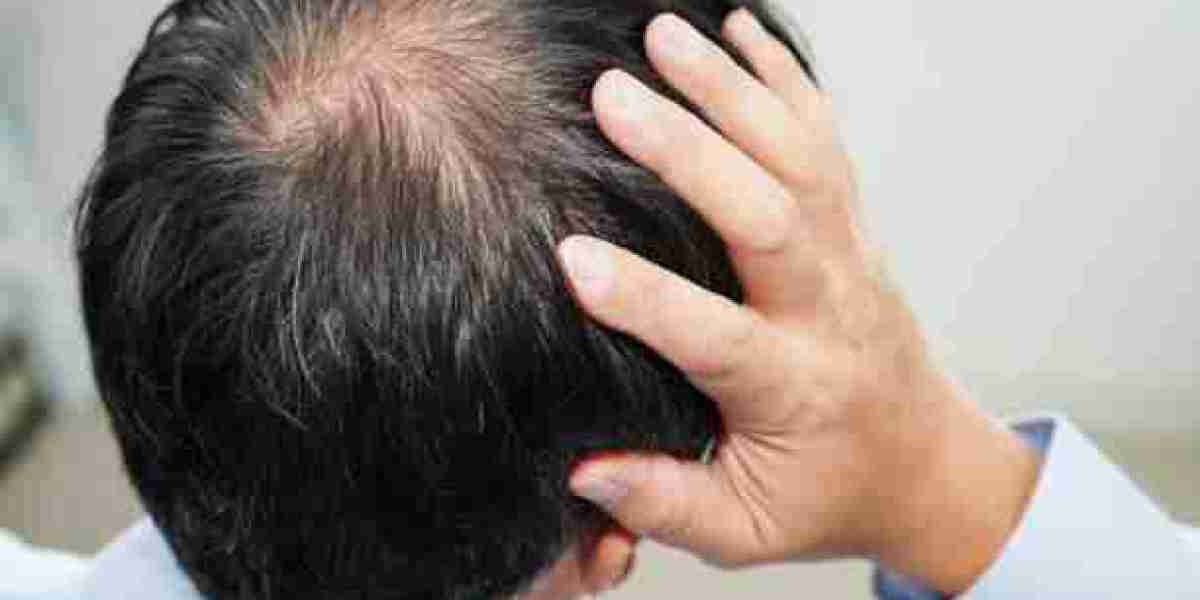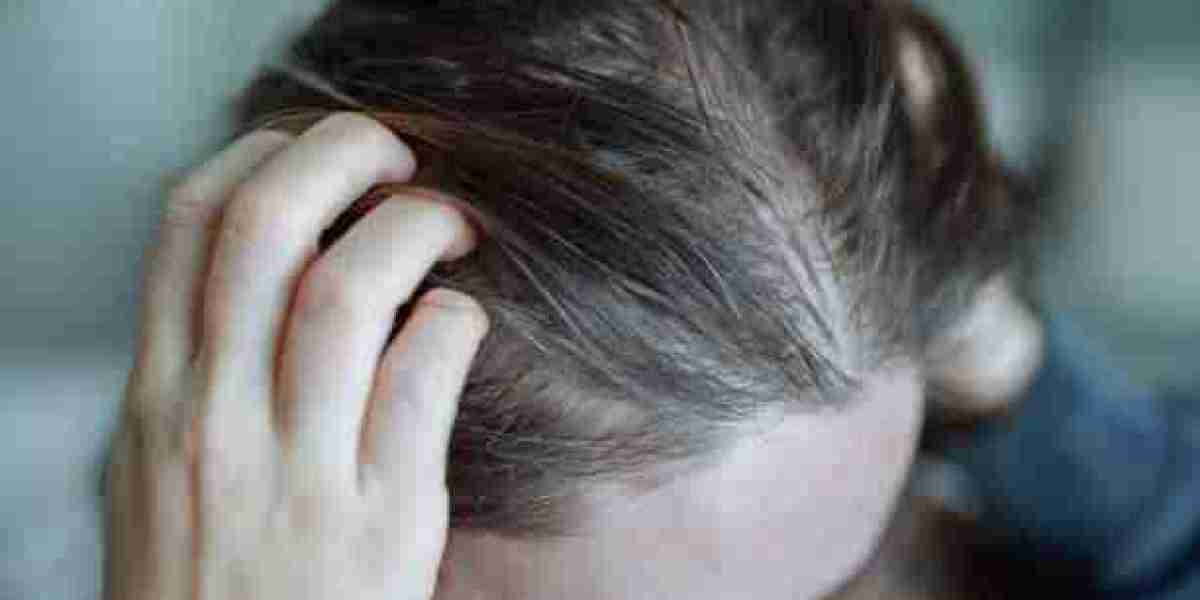

Hair growth is a continuous biological process in which individual strands move through different stages of growth, transition, and shedding. Understanding these stages can make it easier to recognize why temporary shedding or gradual thinning may occur. When changes in this natural cycle become noticeable, Hair loss treatment in Riyadh can help individuals explore suitable options based on their scalp condition and hair concerns.
The Main Stages of Hair Growth
The hair cycle generally includes the anagen, catagen, and telogen stages. During anagen, hair actively grows from the follicle. Catagen is a short transitional stage when growth slows, while telogen is the resting phase that eventually leads to natural shedding. Since each follicle follows its own cycle, some daily hair shedding is considered normal.
How Hair Growth Cycles Can Change
Various factors can influence the normal timing and duration of the hair growth cycle. Genetics, aging, hormonal fluctuations, stress, illness, nutritional deficiencies, and certain medications may affect follicular activity. When more follicles enter the resting or shedding stage at the same time, hair may appear noticeably thinner.
Changes in the growth cycle can also develop gradually, making them difficult to recognize at first. A person may notice more hair on a pillow, brush, or during washing before visible thinning becomes apparent. Hair loss treatment in Riyadh can involve assessing these changes and identifying factors that may be affecting normal hair growth.
Recognizing Signs of Disrupted Hair Growth
Increased Shedding
An increase in shedding can sometimes indicate a temporary change in the hair cycle. Stressful periods, illness, dietary changes, or hormonal shifts may contribute to excessive shedding. Monitoring how long the shedding continues can help determine whether professional evaluation is appropriate.
Gradual Hair Thinning
When hair follicles repeatedly produce finer strands, overall density can gradually decrease. This may be particularly noticeable around the crown, temples, or hairline. Genetic factors can play an important role in this pattern, making early assessment useful for understanding the progression.
Factors That Influence Hair Growth Cycles
Genetics and Hormones
Inherited characteristics can influence follicle sensitivity and the length of different growth phases. Hormonal changes can also affect hair density and shedding patterns, making them important considerations during a hair assessment.
Lifestyle and Nutrition
Poor nutrition, prolonged stress, inadequate sleep, and certain lifestyle habits may negatively influence overall hair health. Maintaining balanced nutrition and healthy daily habits can support normal physiological processes involved in hair growth.
Approaches to Managing Hair Growth Changes
Treatment depends on the underlying reason for the disruption. Depending on the individual's condition, professional care may include approaches designed to support scalp health, improve the appearance of thinning hair, or address specific causes of hair loss. A personalized assessment helps determine which option may be appropriate.
Why Individualized Care Matters
Hair loss does not affect everyone in the same way. The pattern, duration, scalp condition, age, and underlying cause can all influence treatment selection. Personalized care can therefore provide a more targeted approach instead of applying the same solution to every case.
Supporting a Healthy Hair Growth Cycle
Healthy scalp habits can complement professional treatment. Gentle hair care, adequate nutrition, stress management, and avoiding excessive heat or chemical treatments may help maintain healthier-looking hair. However, persistent or sudden hair loss should not be ignored, particularly when accompanied by scalp changes or patchy areas.
What to Expect During a Hair Loss Consultation
A consultation typically involves discussing the history and pattern of hair loss and examining the scalp and existing hair. The specialist may also ask about family history, lifestyle, previous treatments, and recent health changes. This information can help establish realistic expectations and guide the next steps.
Book an Appointment at Royal Clinic Saudi
If changes in your hair growth cycle have become noticeable, a professional assessment can help you understand the possible causes and available treatment options. Royal Clinic Saudi can help you discuss your concerns and explore a personalized approach based on your individual hair and scalp needs.
FAQs:
1. Is daily hair shedding normal?
Yes. Some shedding is part of the natural hair growth cycle.
2. What can disrupt the hair growth cycle?
Stress, genetics, hormones, illness, aging, and nutritional factors can affect it.
3. Does hair loss always mean permanent thinning?
No. Some types of shedding may be temporary and related to changes in the growth cycle.
4. When should I seek professional advice?
Persistent, sudden, or noticeable thinning should be professionally assessed to identify possible causes.