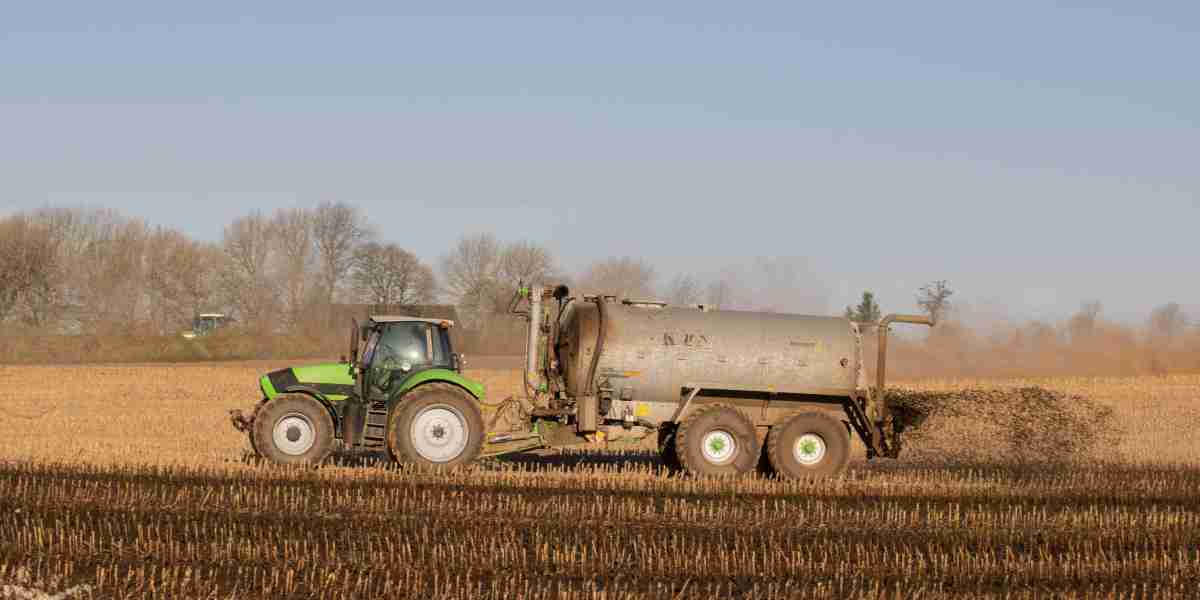

The NPK fertilizers market plays an important role in modern agriculture by supporting crop nutrition, soil management, and farming productivity. As agricultural practices continue to evolve, farmers are paying closer attention to the nutrients required for healthy plant growth and consistent crop development. NPK fertilizers combine nitrogen, phosphorus, and potassium to help address different nutritional requirements throughout the growing cycle. Their versatility makes them relevant to a wide range of agricultural applications, including field crops, horticulture, and other cultivation practices. The growing emphasis on effective nutrient management has made these fertilizers an important consideration for farmers seeking to maintain soil productivity and support crop quality.
One of the key areas influencing the market is the growing interest in balanced crop nutrition solutions that address the different needs of plants during their development. Nitrogen supports leafy growth, phosphorus contributes to root development and energy transfer, and potassium helps plants manage water and maintain overall physiological functions. When these nutrients are supplied according to crop requirements, they can contribute to healthier development and more efficient nutrient utilization. This makes NPK fertilizers an important component of agricultural nutrient planning, particularly when farmers aim to align fertilizer applications with soil conditions and cultivation objectives.
Understanding the Importance of NPK Fertilizers
Plant growth depends on the availability of essential nutrients throughout the growing season. Although soil naturally contains nutrients, their availability can vary depending on soil composition, previous cultivation, moisture conditions, and crop requirements. Continuous agricultural activity can also influence nutrient levels, making appropriate fertilizer management an important part of maintaining productive farmland.
NPK fertilizers provide a practical way to supply three essential plant nutrients through a combined formulation. Different crops require different nutrient balances, and fertilizer selection should reflect those requirements rather than follow a uniform approach. Farmers may consider crop type, soil fertility, climate, irrigation practices, and the stage of plant development when choosing an appropriate product.
The availability of different formulations gives agricultural users flexibility when planning nutrient applications. This flexibility supports the use of NPK fertilizers across diverse farming systems and helps explain their continued relevance in agricultural input management.
Changing Farming Practices and Nutrient Management
Modern farming increasingly emphasizes the efficient use of agricultural inputs. Farmers are looking for ways to improve nutrient application, reduce avoidable losses, and maintain healthy soil conditions. Fertilizer decisions are therefore becoming more closely connected with soil testing, crop planning, and field management practices.
Precision agriculture can support this process by helping farmers understand variations in soil conditions and plant requirements. When nutrient applications are guided by field-specific information, fertilizer use can become more targeted. NPK products can be incorporated into these approaches when their formulations and application methods are appropriate for the crop and soil.
Education and agricultural advisory services also have an important role. Farmers who understand nutrient requirements can make better-informed decisions about fertilizer selection, timing, and application methods. Such knowledge can help prevent unnecessary applications and support more responsible nutrient management.
Product Development and Market Opportunities
Product development remains relevant as agricultural producers seek fertilizer options that suit different crops, soil conditions, and cultivation systems. Manufacturers can focus on formulation consistency, ease of application, product handling, and compatibility with different farming practices.
There is also an opportunity to improve communication about proper fertilizer use. Clear product instructions and practical agronomic guidance can help farmers understand how nutrient combinations fit into broader crop management plans. The market can benefit when product development responds to actual agricultural needs rather than treating every farming situation alike.
Challenges Affecting Market Development
Despite their importance, NPK fertilizers face challenges related to input costs, nutrient losses, soil management, and changing environmental expectations. Poor application practices can contribute to nutrient runoff or leaching, while inappropriate nutrient balances may fail to meet crop requirements effectively.
Addressing these challenges requires coordination between fertilizer manufacturers, agricultural professionals, distributors, and farmers. Responsible application, suitable formulations, and improved awareness can support better outcomes across the agricultural value chain.
Conclusion
The NPK fertilizers market remains closely connected to the changing needs of agriculture. Its development will depend on farmers' nutrient requirements, product innovation, responsible application practices, and the ability of manufacturers to provide suitable solutions for different crops. By combining appropriate fertilizer selection with informed soil management, agricultural producers can support crop development while paying greater attention to long-term soil productivity.
FAQs
Q1. What are NPK fertilizers used for?
NPK fertilizers supply nitrogen, phosphorus, and potassium to support plant growth, root development, and essential physiological processes.
Q2. Why is balanced nutrient management important when using NPK fertilizers?
Balanced nutrient management helps align fertilizer applications with crop requirements and soil conditions, supporting efficient nutrient use and responsible farming practices.