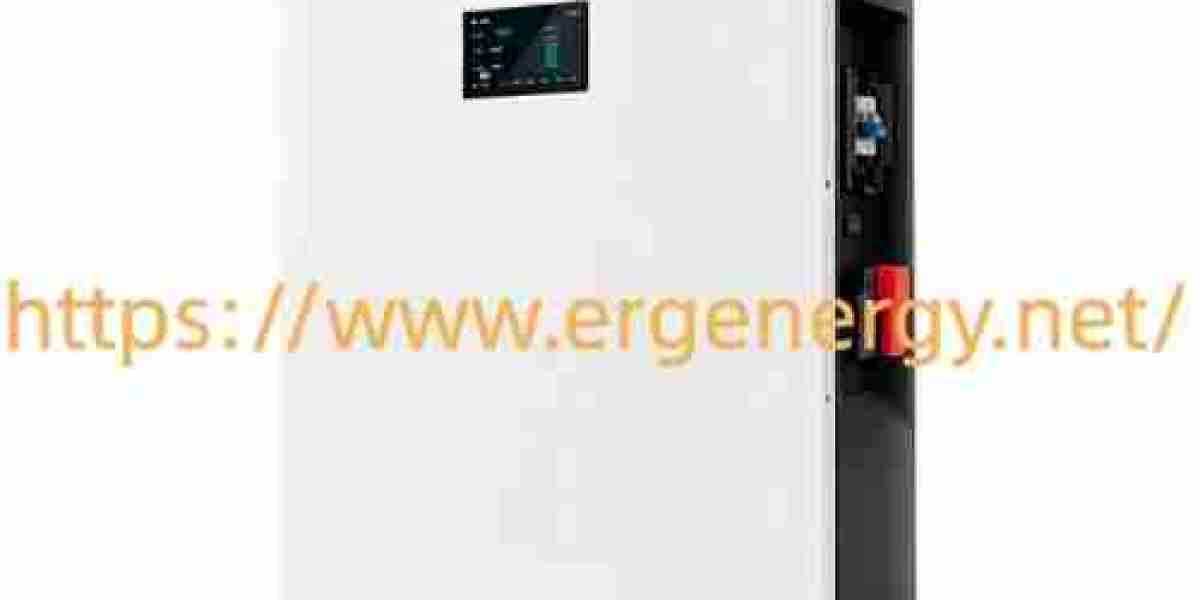

Safe Energy Storage System planning has become an important consideration for businesses investing in renewable power, industrial electricity management, and long term infrastructure. Companies need to consider more than equipment capacity and purchasing costs when preparing a project. Electrical hazards, installation conditions, emergency procedures, and maintenance responsibilities can all influence how equipment performs throughout its operating life. For manufacturers, facility managers, and project developers, careful preparation helps identify potential risks before installation begins and supports more informed decisions throughout the project.
Every site has different operating conditions. A manufacturing plant may have high electrical loads, changing production schedules, and limited installation space, while a commercial building may need to coordinate solar generation with daily consumption. These differences affect equipment placement, electrical connections, ventilation requirements, and access for maintenance. Before selecting products, businesses should conduct a site assessment that considers environmental conditions, nearby equipment, access routes, and the consequences of unexpected shutdowns. Early discussions between buyers, engineers, installers, and equipment manufacturers can help clarify responsibilities and reduce avoidable design changes.
Electrical protection deserves particular attention during project development. Buyers should ask suppliers about overcurrent protection, isolation devices, grounding arrangements, monitoring functions, and procedures for responding to abnormal operating conditions. The specific requirements depend on the chosen technology, equipment configuration, and local regulations. Technical documents should clearly explain operating limits, installation requirements, inspection procedures, and the actions operators should take when alarms occur. In the United States, applicable electrical codes and NFPA 855 installation requirements may influence project design, permitting, and commissioning. Requirements should be confirmed with qualified professionals and relevant local authorities.
Fire prevention and emergency preparation also need to be addressed before equipment arrives at the site. Businesses should evaluate the hazards associated with the selected technology rather than assuming that every installation requires the same protective measures. Depending on the project, considerations may include fire detection, ventilation, separation distances, emergency shutdown procedures, signage, and access for responding personnel. UL 9540A testing can provide information about fire propagation characteristics for applicable battery technologies and installations. Buyers should request relevant test reports and confirm that the proposed configuration aligns with local approval requirements.
Another important consideration is how staff will operate and maintain the equipment. Even well planned installations require clear procedures, suitable training, and regular inspections. Facility managers should establish responsibilities for checking alarms, reviewing operating data, reporting unusual conditions, and arranging qualified servicing. Maintenance teams also need appropriate procedures for isolating electrical supplies before carrying out work. Emergency plans should identify evacuation routes, communication arrangements, shutdown responsibilities, and the information needed by local emergency responders. Regular reviews can help businesses update these procedures when equipment, site layouts, or operating practices change.
The manufacturer plays an important role in helping buyers understand product requirements before purchasing. Businesses should review technical specifications, available certification documents, factory inspection procedures, warranty conditions, and commissioning support. They can also ask how components are tested, which maintenance tasks are recommended, and whether replacement parts and technical assistance are available for the intended installation location. For customized projects, drawings, connection details, operating limits, and acceptance criteria should be agreed upon before production starts. Clear documentation makes it easier for project teams to coordinate installation work and verify that delivered equipment matches the agreed specification.
Long term planning should also include operating expenses and future site changes. Inspection costs, replacement components, staff training, insurance conditions, and regulatory updates may affect the overall project budget. Businesses should evaluate these factors alongside equipment pricing instead of relying on the initial quotation alone. If the facility expects to expand production or introduce additional renewable generation, buyers should discuss potential capacity changes and integration requirements during the design stage. A practical plan can help decision makers understand the tradeoffs between project cost, operating flexibility, maintenance needs, and applicable safety requirements.
For businesses reviewing these considerations, ERG offers energy related products for customers assessing different project configurations and operational needs. Working with a manufacturer that provides clear product information and technical documentation helps purchasing teams evaluate compatibility, installation requirements, and ongoing service arrangements. Before making a final decision, businesses should compare specifications against their site assessment and confirm applicable requirements with qualified engineering professionals. To review available products and identify options for your project, visit https://www.ergenergy.net/product/ and consider how the product range may fit your facility requirements and long term operating plans.