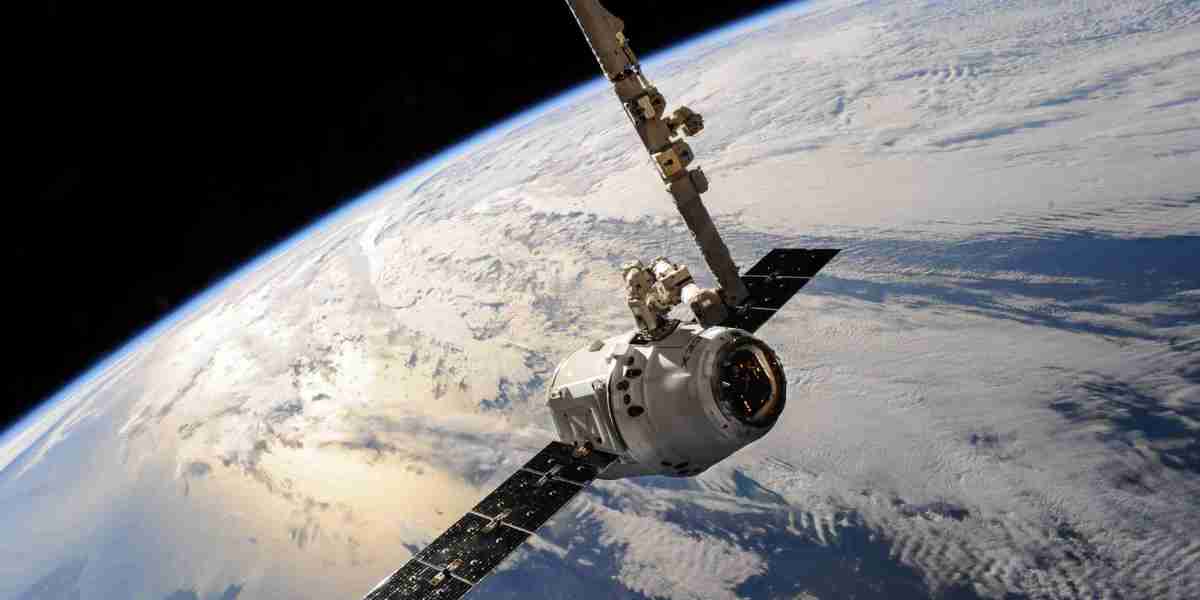

Humanity's ambition to explore space increasingly involves more than reaching distant destinations. Sustained exploration requires suitable environments where astronauts can rest, conduct research, maintain equipment, and manage the demands of living away from Earth. Space habitats are central to this ambition because they provide protected and organized environments for activities that cannot be performed efficiently inside transportation vehicles alone. Their development brings together aerospace engineering, materials science, environmental control, robotics, and architectural planning.
The growing emphasis on extraterrestrial living infrastructure highlights the importance of creating habitats that can adapt to different mission conditions. A facility designed for an orbital research mission may have different requirements from a shelter intended for a lunar expedition. Both must support human occupants, but their structural arrangements, environmental protections, maintenance procedures, and power systems can vary considerably. These differences encourage developers to pursue flexible designs that can be adapted to specific operational objectives.
Rethinking the Design of Living Environments
Traditional spacecraft interiors prioritize compactness and the efficient arrangement of essential equipment. Space habitats must balance these considerations with the need to support daily life over extended periods. Occupants need areas for sleeping, eating, personal hygiene, exercise, scientific work, and communication. The organization of these spaces can influence comfort, productivity, and the ability to respond to unexpected situations.
Designers increasingly need to consider human factors alongside engineering requirements. Lighting arrangements, acoustic conditions, visual privacy, personal storage, and clearly defined work areas can make a confined environment easier to inhabit. Flexible furniture and multifunctional equipment may also help crews use limited interior space effectively.
Habitats intended for longer missions may require additional provisions for recreation and social interaction. Maintaining psychological well-being is important when crew members operate in isolated environments with limited contact with family and familiar surroundings. Thoughtful interior planning can contribute to a more supportive living environment.
Modular Construction and Adaptable Architecture
Modular habitat concepts offer a way to organize living and working areas into connected sections. Each module can be designed for a particular function, such as sleeping, research, storage, environmental control, or equipment maintenance. This arrangement can simplify planning and allow facilities to be expanded when additional capabilities are needed.
A modular approach may also support the use of standardized interfaces between components. Common connection systems could make it easier to integrate equipment developed by different engineering teams, provided compatibility and safety requirements are satisfied.
Inflatable structures represent another design approach. These systems can potentially reduce the volume occupied during transportation and create usable interior space after deployment. Their development nevertheless requires careful attention to pressure containment, protective layers, deployment mechanisms, and resistance to environmental hazards.
The choice between rigid, inflatable, and hybrid structures depends on mission objectives. Engineers must evaluate the balance between mass, available interior volume, durability, deployment complexity, and maintenance requirements before selecting a suitable configuration.
Robotics and Intelligent Habitat Management
Robotics can assist with habitat assembly, inspection, and maintenance, particularly when operating conditions make direct human involvement difficult. Robotic systems may help position structural components, examine external surfaces, transport supplies, and identify potential damage.
Automated monitoring can complement these activities by continuously evaluating environmental conditions and equipment performance. Sensors can detect changes in temperature, pressure, humidity, and other operating parameters. When integrated with suitable control systems, these measurements can help operators identify developing problems and plan maintenance activities.
Intelligent habitat management may also improve the coordination of energy use and equipment operation. Systems can prioritize essential functions, monitor available power, and identify opportunities to reduce unnecessary consumption. However, automation must be designed with appropriate safeguards, manual controls, and procedures for responding to software or equipment failures.
Creating Sustainable Space Habitats
Sustainability is particularly important for missions where regular deliveries from Earth are difficult or expensive to arrange. Water recovery, waste processing, efficient lighting, and careful resource management can help reduce the amount of material that must be transported to a habitat.
Closed-loop environmental systems aim to recover and reuse resources wherever practical. Water can be treated for reuse, while waste streams may be processed through specialized systems. The extent of recycling depends on the available technology, the mission environment, and the reliability required for crew safety.
Future surface habitats may also investigate the use of locally available materials for selected construction or protective applications. Such approaches could reduce dependence on transported building materials, although their feasibility depends on the properties of local resources and the methods available for processing them.
The Role of Collaboration in Habitat Innovation
Developing a functional habitat requires cooperation among specialists in structural engineering, electronics, human health, robotics, communications, and environmental systems. Universities and research institutions can contribute experimental work, while aerospace manufacturers can develop components and integrated systems.
Testing remains essential because technologies must operate together under demanding conditions. Ground-based simulations, isolated research environments, pressure testing, and other validation methods can help identify weaknesses before systems are deployed.
As space missions become more complex, habitat innovation will depend on combining adaptable architecture with reliable environmental systems and practical maintenance strategies. The objective is not simply to construct a shelter, but to create a functional environment that allows people to work safely and effectively beyond Earth.
FAQs
Q1. How can modular designs benefit space habitats?
Modular designs can simplify habitat planning, support the integration of specialized sections, and provide opportunities to expand facilities as mission requirements evolve.
Q2. Can robots help maintain space habitats?
Yes. Robots can assist with inspection, equipment handling, structural assembly, and selected maintenance activities, reducing the need for astronauts to perform every task directly.