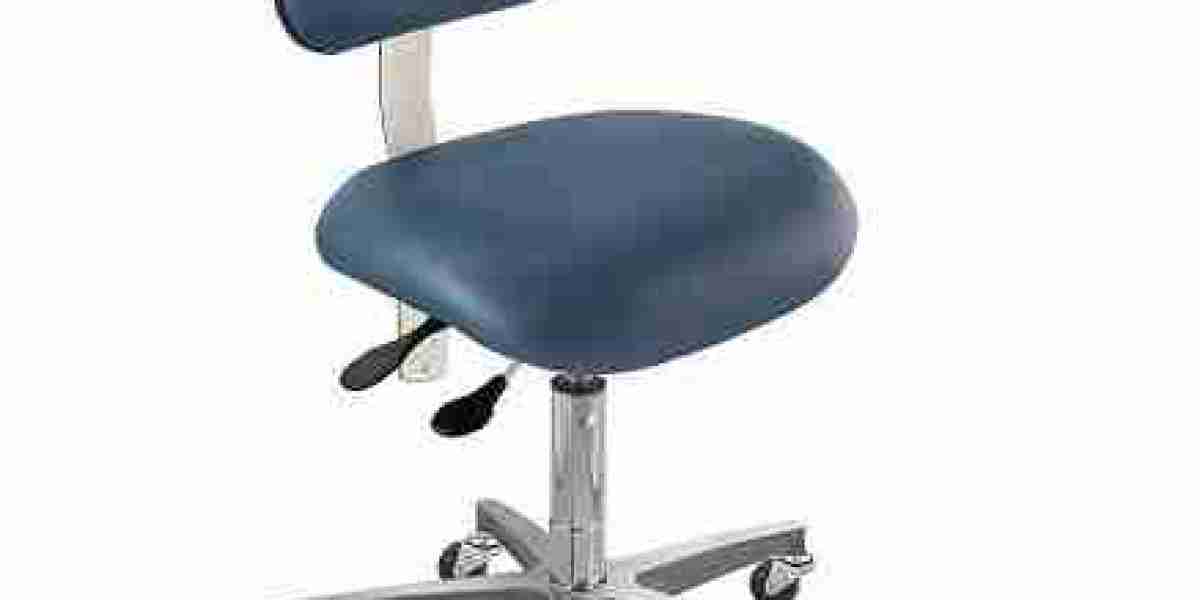

Maintaining strict contamination control requires more than air filtration, protective clothing, and established cleaning procedures. Every surface, workstation, chair, and piece of equipment inside your cleanroom can influence cleanliness. Choosing the right furniture helps you reduce particle accumulation, simplify sanitation, and maintain a controlled environment for sensitive operations. By evaluating materials, design, cleanability, and compatibility with your cleanroom classification, you can create a workspace that supports consistent performance and reliable contamination prevention.
Understand Your Cleanroom Classification and Process
Before selecting furniture, identify your cleanroom classification, operational requirements, and contamination risks. Different environments require different levels of particle control. Pharmaceutical production, electronics assembly, medical device manufacturing, and laboratory testing may each have specific cleanliness and material requirements.
Start by evaluating:
Cleanroom classification: Determine the cleanliness level your facility must maintain under its applicable standards.
Operational activities: Identify whether employees perform assembly, sample preparation, inspection, or other contamination-sensitive tasks.
Environmental conditions: Consider humidity, temperature, chemical exposure, and cleaning frequency.
Regulatory requirements: Review applicable industry standards and your facility's contamination-control procedures.
This assessment helps you choose furniture that supports your required cleanliness level instead of relying on appearance alone.
Choose Materials That Resist Particle Contamination
Furniture materials directly affect durability, cleaning efficiency, and contamination management. Rough surfaces, damaged coatings, exposed joints, and deteriorating upholstery can collect particles or make cleaning more difficult.
For strict contamination control, consider stainless steel, suitable high-pressure laminate, and other non-shedding materials approved for your application. Stainless steel is often useful where frequent cleaning, corrosion resistance, and long-term durability are priorities. Other materials may be appropriate when they meet your chemical compatibility and cleanliness requirements.
When comparing furniture materials, check:
· Resistance to the cleaning agents and disinfectants you use.
· Smooth, nonporous surfaces that are easy to wipe down.
· Low particle shedding during routine operations.
· Resistance to corrosion, cracking, and surface deterioration.
· Compatibility with your cleanroom's temperature and humidity conditions.
Select materials based on documented performance and the intended environment rather than assuming that one material suits every cleanroom.
Prioritize Easy-to-Clean Furniture Designs
Even suitable materials can become contamination risks when furniture has difficult-to-reach areas. Complex joints, exposed fasteners, deep seams, and unnecessary crevices may allow particles or residues to accumulate.
Choose cleanroom furniture with smooth finishes, accessible surfaces, and designs that simplify routine cleaning. Rounded edges, secure connections, and minimal gaps can make sanitation more consistent. Furniture should also allow staff to clean beneath and around it without excessive effort.
Evaluate each item against your cleaning procedures. Can employees reach the underside of a workbench? Are chair mechanisms easy to wipe down? Can spills or residues collect around joints and adjustment controls?
A practical design reduces cleaning effort and helps your team follow established contamination-control procedures consistently.
Select Cleanroom Chairs for Controlled Environments
Seating deserves careful attention because ordinary office chairs may contain fabric, exposed foam, particle-trapping seams, or components that are difficult to disinfect.
When evaluating cleanroom furniture, including cleanroom chairs and stools for contamination-sensitive workspaces, prioritize cleanable surfaces, durable construction, and materials suitable for your facility's cleaning agents.
Consider the following features:
Cleanable upholstery: Choose suitable nonporous seating surfaces that withstand your cleaning routine.
Adjustability: Match seat height and positioning to workbench dimensions and operator needs.
Stable construction: Select a base and components appropriate for the work environment.
Mobility: Evaluate whether casters are necessary and compatible with your cleanroom flooring and cleanliness requirements.
Ergonomics: Provide appropriate support for employees who perform extended tasks.
Do not assume that a chair is cleanroom-compatible simply because it has a smooth exterior. Verify the manufacturer's specifications and suitability for your required environment.
Match Workbenches and Storage to Your Workflow
Workbenches, shelving, cabinets, and storage units should support organized work without creating unnecessary contamination risks.
Choose appropriately sized work surfaces that accommodate equipment, tools, and materials without crowding. Overloaded benches can restrict cleaning access and increase the chance of accidental contact between clean and potentially contaminated items.
For storage, prioritize enclosed cabinets when appropriate for your process. Organize supplies to prevent unnecessary handling, and keep frequently used materials within easy reach. Select shelving and workstations with accessible surfaces and designs that minimize dust-trapping areas.
You should also consider furniture placement. Leave sufficient clearance for cleaning, maintenance, airflow requirements, and personnel movement. Avoid positioning large furniture pieces where they obstruct air returns or interfere with validated airflow patterns.
Verify Compatibility With Cleaning and Disinfection Procedures
Your furniture must withstand the products and methods used to maintain the cleanroom. A material that degrades after repeated exposure to disinfectants can become harder to clean and may eventually release particles.
Review the manufacturer's chemical compatibility information before purchasing. Confirm whether the furniture tolerates your approved disinfectants, cleaning frequency, contact times, and any required sterilization methods.
Establish a routine inspection schedule to identify scratches, corrosion, damaged coatings, loose components, and worn seating surfaces. Repair or replace damaged furniture according to your facility's procedures.
Where required, include new furniture in your contamination-control assessment and qualification process before introducing it into the controlled area.
Evaluate Total Cost and Long-Term Performance
The lowest purchase price does not necessarily provide the best value. Furniture that deteriorates quickly or requires intensive cleaning can increase maintenance costs and operational interruptions.
Compare expected service life, cleaning requirements, replacement-part availability, warranty coverage, and supplier support. Also evaluate whether the furniture can adapt to changes in equipment layouts or process requirements.
Working with an experienced supplier such as CleaTech LLC can help you explore laboratory furniture options for your workspace. Review product specifications carefully and confirm that the selected models meet your facility's documented requirements.
If you need assistance evaluating suitable options, Contact us today to discuss your cleanroom furniture requirements and application needs.
Frequently Asked Questions
1. What is the best furniture material for strict contamination control?
Stainless steel is often suitable because of its durability, corrosion resistance, and cleanable surface. However, the best material depends on your cleaning chemicals, process conditions, cleanroom classification, and documented compatibility requirements.
2. Can ordinary office chairs be used in a cleanroom?
Ordinary office chairs may contain fabric, exposed foam, and particle-trapping mechanisms that complicate cleaning. Select seating specifically designed or verified for your cleanroom's cleanliness and sanitation requirements.
3. How do you maintain cleanroom furniture?
Follow an approved cleaning schedule, use compatible cleaning agents, inspect surfaces regularly, and repair or replace damaged components. Document maintenance according to your facility's contamination-control procedures.
4. How does furniture design affect contamination control?
Smooth surfaces, minimal crevices, accessible joints, and cleanable components help reduce particle accumulation and improve cleaning consistency. Furniture placement also matters because it must not obstruct required airflow or cleaning access.
5. How do you choose furniture for a classified cleanroom?
Identify the required cleanliness classification, assess process risks, review material and particle-shedding specifications, verify chemical compatibility, and confirm that the furniture meets applicable facility and regulatory requirements.
Conclusion
Selecting cleanroom furniture for strict contamination control requires a systematic evaluation of materials, design, ergonomics, cleaning compatibility, and long-term performance. By matching every furniture item to your facility's cleanliness requirements and operating procedures, you can simplify sanitation, reduce avoidable contamination risks, and maintain a more organized workspace. Prioritize documented suitability over appearance or price alone to support dependable cleanroom operations.
Original Source: https://laboratoryquipment.blogspot.com/2026/10/how-to-select-cleanroom-furniture-for.html