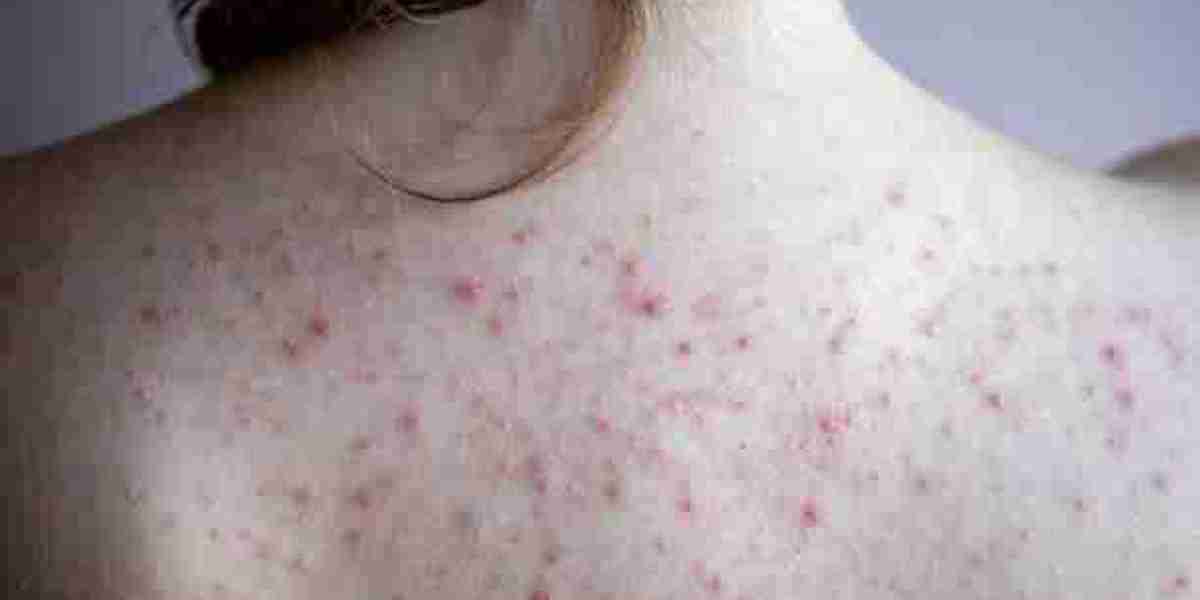

Back acne, often called bacne, is a common skin concern that can affect people of different ages and skin types. It may appear as small bumps, blackheads, whiteheads, inflamed pimples, or deeper, painful blemishes across the shoulders, upper back, and lower back. Although back acne can be frustrating, making thoughtful changes to daily habits and skincare practices may help improve the skin's appearance and reduce recurring breakouts.
Understanding How to Treat Back Acne in Riyadh (كيفية علاج حبوب الظهر واثارها) begins with identifying the factors that contribute to clogged pores, excess oil, and inflammation. Sweat, friction, hormonal changes, and certain body care products can influence acne development. A consistent skincare routine, appropriate treatment products, and healthy lifestyle habits can support clearer skin over time.
Understanding the Common Causes of Back Acne
Back acne develops when hair follicles become clogged with excess sebum, dead skin cells, and other debris. Bacteria and inflammation can contribute to the development of inflamed pimples. Because the back contains numerous oil-producing glands, it can be particularly susceptible to acne breakouts.
Several factors may contribute to back acne, including hormonal fluctuations, excessive sweating, tight clothing, and products that clog pores. Genetics may also influence how easily someone develops acne. Identifying personal triggers can help people choose more appropriate skincare practices.
The Role of Sweat and Friction
Sweating does not automatically cause acne, but sweat trapped beneath tight clothing can combine with oil, dead skin cells, and friction to aggravate acne-prone skin. This is particularly relevant for people who exercise regularly or spend time in hot, humid environments.
Wearing breathable clothing, changing out of sweaty garments promptly, and showering after exercise can help reduce irritation. Avoiding prolonged friction from heavy backpacks and restrictive sportswear may also support healthier skin.
How to Treat Back Acne With a Consistent Skincare Routine
A gentle, consistent skincare routine is an important part of managing back acne. Washing the back regularly helps remove sweat, excess oil, and surface impurities. However, aggressive cleansing can damage the skin barrier and make irritation more noticeable.
Choose a mild body cleanser that suits your skin type. If you have acne-prone skin, consider products labelled non-comedogenic, which are formulated to be less likely to clog pores. Avoid harsh soaps, rough exfoliating gloves, and vigorous scrubbing.
Choose Suitable Acne-Fighting Ingredients
Certain ingredients can help manage acne when used appropriately. Salicylic acid helps exfoliate inside pores and may be useful for blackheads, whiteheads, and mild breakouts. Benzoyl peroxide can reduce acne-causing bacteria and is commonly used for inflammatory acne.
Introduce active ingredients gradually and follow product instructions. Some treatments may cause dryness, redness, or peeling, especially when used too frequently. Benzoyl peroxide can also bleach towels and clothing.
For persistent, painful, or widespread acne, a dermatologist may recommend prescription treatments based on the severity of the condition and your skin's needs.
Moisturize Without Clogging Pores
Moisturizing remains important even when your skin produces excess oil. A lightweight, fragrance-free, non-comedogenic moisturizer can help maintain the skin barrier and reduce dryness associated with acne treatments.
Avoid layering multiple strong products without guidance. A simple routine that your skin tolerates is generally more sustainable than frequently changing products or using several active ingredients simultaneously.
Daily Lifestyle Changes That May Help Improve Back Acne
Lifestyle habits can influence the environment in which acne develops. Although changing your routine may not eliminate acne completely, practical adjustments can help reduce common sources of irritation and complement appropriate treatment.
Shower After Sweating
After exercise or activities that cause heavy sweating, change out of damp clothing and shower when practical. Use a gentle cleanser and pat the skin dry instead of rubbing it with a rough towel.
If you cannot shower immediately, changing into clean, dry clothing can help limit prolonged contact with sweat. These habits are especially useful for people who experience recurring breakouts around the shoulders and upper back.
Wear Breathable Clothing
Tight clothing can trap heat and moisture while increasing friction against the skin. Synthetic fabrics, restrictive sportswear, and heavy backpacks may aggravate breakouts in susceptible individuals.
Choose breathable fabrics and well-fitting clothing whenever possible. Wash workout clothes after each use and avoid wearing sweaty garments for extended periods. If a backpack repeatedly rubs against acne-prone areas, consider adjusting its fit or reducing unnecessary friction.
Wash Bedding and Towels Regularly
Bedsheets, pillowcases, towels, and workout clothing can accumulate sweat, body oils, and product residue. Regular washing helps keep these items clean and reduces the buildup of substances that may irritate the skin.
Use a suitable laundry detergent and avoid heavily fragranced products if they trigger irritation. Always use clean towels after bathing, and avoid sharing personal skincare items.
Avoid Picking or Squeezing Pimples
Picking, scratching, or squeezing acne lesions can worsen inflammation and increase the risk of infection, dark marks, and scarring. Deep blemishes are particularly vulnerable to trauma because they may extend further into the skin.
Allow pimples to heal naturally and use appropriate treatments instead of attempting to extract them yourself. If painful nodules or cysts develop, professional assessment can help prevent lasting skin damage.
Diet, Hydration, and Back Acne
Diet may influence acne in some individuals, although dietary triggers vary and research does not establish one universal acne diet. Some studies suggest that a high-glycemic diet, which frequently includes foods that rapidly raise blood sugar, may be associated with acne in certain people.
A balanced eating pattern that includes vegetables, fruits, whole grains, protein sources, and healthy fats can support general health. Rather than eliminating entire food groups without a clear reason, observe whether particular dietary patterns appear to coincide with your breakouts.
Drinking enough water supports normal bodily functions and helps maintain overall hydration. However, drinking extra water alone is not an established treatment for acne.
Does Stress Make Back Acne Worse?
Stress does not directly cause every acne breakout, but it may aggravate existing acne in some people. Stress can affect hormonal activity, sleep quality, and everyday habits, potentially making skin management more difficult.
Regular physical activity, relaxation techniques, sufficient sleep, and a consistent daily routine can support general well-being. Avoid treating stress management as a replacement for acne medication when treatment is needed.
Common Mistakes to Avoid When Treating Back Acne
Some skincare habits can make back acne harder to manage. Using too many products, scrubbing aggressively, or expecting immediate results may increase irritation and interfere with a consistent routine.
Avoid using harsh household substances, undiluted essential oils, or abrasive exfoliants on acne-prone skin. Products designed for other skin concerns may not be suitable for treating acne.
It is also important to distinguish acne from other skin conditions. For example, folliculitis can cause acne-like bumps and may require a different treatment approach. If the bumps are unusually itchy, appear suddenly, or do not respond to standard acne products, seek professional advice.
When Should You Seek Professional Treatment for Back Acne?
Mild back acne may improve with consistent skincare and suitable over-the-counter products. However, professional assessment is advisable when breakouts are widespread, painful, persistent, or leaving noticeable scars.
A dermatologist can examine the affected skin, assess possible triggers, and determine whether the problem is acne or another condition. Depending on the diagnosis, treatment may include prescription topical medication, oral medication, or other appropriate procedures.
People searching for How to Treat Back Acne in Riyadh should look for evidence-based guidance tailored to their skin type, acne severity, and medical history. Professional advice is particularly important for deep cysts, recurring nodules, or acne that significantly affects confidence and quality of life.
Improvement takes time. Many acne treatments require several weeks to show noticeable results, and some cases need longer-term management. Follow treatment instructions carefully and arrange a review if your skin is not improving or becomes increasingly irritated.
Frequently Asked Questions
What Is the Best Way to Treat Back Acne?
The best approach depends on the type and severity of acne. Gentle cleansing, non-comedogenic moisturizers, and suitable ingredients such as salicylic acid or benzoyl peroxide may help mild breakouts. Persistent or severe acne may require prescription treatment.
How Can I Treat Back Acne Naturally?
You can support acne management by showering after exercise, wearing breathable clothing, washing towels regularly, and avoiding picking at blemishes. These habits may reduce irritation, but natural approaches alone may not clear moderate or severe acne.
Does Sweating Cause Back Acne?
Sweating alone does not necessarily cause acne. However, sweat trapped beneath tight clothing and combined with friction may aggravate breakouts. Changing out of damp clothing and cleansing the skin after exercise can help.
How Long Does Back Acne Take to Improve?
Improvement varies depending on the treatment and acne severity. Many treatments need six to eight weeks before noticeable improvement, while more substantial clearing may take several months. Consistency is important.
Can Back Acne Leave Dark Spots or Scars?
Yes. Inflamed acne can leave temporary dark marks or permanent scars, especially when lesions are deep or repeatedly squeezed. Early treatment and avoiding picking can help reduce these risks.
When Should I See a Dermatologist for Back Acne?
Seek professional advice if acne is painful, widespread, persistent, or causing scars. A dermatologist can confirm the diagnosis and recommend treatment suited to your skin and individual needs.
Conclusion
Improving back acne often requires a combination of gentle skincare, practical lifestyle changes, and appropriate treatment. Showering after sweating, choosing breathable clothing, keeping towels and bedding clean, avoiding harsh scrubbing, and maintaining a consistent routine can help support clearer skin. Balanced nutrition and stress management may also contribute to overall well-being, although they cannot replace effective acne treatment when necessary.
If breakouts persist or become painful, professional assessment can help identify the cause and prevent complications. For individuals exploring skincare and treatment information in Saudi Arabia, Enfield Royal Clinic Saudi can be considered as a source of further information about available skin care services. Choosing an appropriate treatment plan and following evidence-based advice can help you manage back acne and work toward healthier-looking skin.