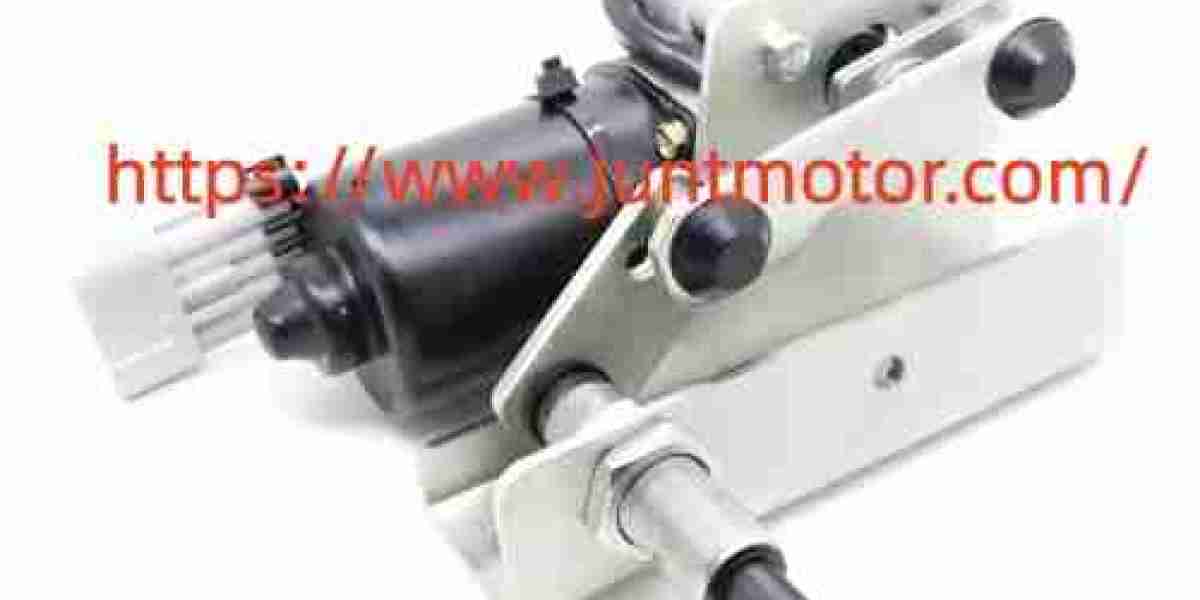

111 7407 20 I0E wiper motor selection requires careful attention to technical specifications, particularly for buyers sourcing replacement components for trucks and engineering machinery. A suitable replacement should match the vehicle electrical system, mounting arrangement, mechanical linkage, and intended operating conditions. For fleet managers, distributors, and equipment manufacturers, checking these details before ordering can help avoid fitting difficulties, unnecessary returns, and delays during maintenance.
A vehicle windshield cleaning system depends on several connected parts working together. The motor supplies movement, while the gearbox, linkage, arms, and blades transfer that movement across the glass. If one component is incompatible or worn, the complete assembly may operate irregularly. This is why procurement teams should assess the requirements of the entire system rather than relying on a product photograph or reference number alone.
Electrical rating is an essential starting point. Buyers should confirm whether the vehicle uses a 12V or 24V supply and verify that the proposed component matches the specified electrical system. A mismatch can affect operation and may damage the unit or connected circuitry. Current consumption and rated power should also be reviewed against the manufacturer's documentation, especially when replacing an older part or sourcing components for imported equipment.
Mechanical dimensions are equally important. Mounting holes, shaft diameter, shaft length, connector position, and housing shape can determine whether the component fits the existing installation. Even small differences may require additional work or make direct replacement impractical. Buyers should provide the original part reference, clear photographs, available drawings, and vehicle details to help the supplier assess the required configuration.
Operating speed and torque deserve attention as well. The motor needs to move the connected mechanism under the conditions expected in service. Windshield size, linkage geometry, blade pressure, and mechanical resistance can all influence the required output. Rather than selecting a product based on speed alone, buyers should confirm the operating requirements for their specific application and request verified technical information where available.
The gearbox and output design should not be overlooked. These elements influence how rotary movement is transferred to the wiping mechanism. Gear arrangement, shaft configuration, and the relationship between the motor and linkage affect installation and movement. If the existing assembly has experienced repeated failures, technicians should inspect the linkage and pivot points before fitting a replacement. Excessive resistance elsewhere in the system can place additional load on the new unit.
Environmental conditions also affect component selection. Trucks and construction equipment may encounter rain, dust, vibration, humidity, and temperature changes during routine operation. Buyers should ask about housing protection, corrosion resistance, and the operating conditions covered by the product specifications. These considerations are particularly relevant when equipment works outdoors or operates for extended periods in demanding environments.
A practical inspection process helps confirm whether a proposed replacement meets the application requirements. Before ordering, compare the part identification, electrical rating, mounting dimensions, connector arrangement, and output configuration. When documentation does not answer every question, request additional photographs, technical drawings, or a sample for evaluation. For larger orders, confirming the sample before approving batch production can reduce uncertainty and help both parties align on the required configuration.
Maintenance planning also contributes to consistent operation. Technicians should periodically inspect electrical connections, fasteners, linkage joints, and blades. Slow movement, unusual noise, or intermittent operation may indicate a problem with the motor, wiring, controls, or connected mechanism. Diagnosing the cause before replacing parts can prevent repeated repairs and help maintenance teams manage inventory more effectively.
As a manufacturer of automotive electrical products, Junt serves customers involved in replacement parts supply and equipment production. Buyers can prepare their technical requirements in advance, including the original reference, supply voltage, installation measurements, expected operating conditions, and order quantity. Providing this information helps the supplier review the request and discuss available product configurations, documentation, and sample arrangements.
A structured selection process gives distributors, repair businesses, and equipment manufacturers a clearer basis for purchasing decisions. Checking electrical and mechanical compatibility, reviewing operating requirements, and confirming specifications before shipment can help reduce avoidable procurement problems. Businesses planning replacement orders or evaluating components for future projects can visit https://www.juntmotor.com/product/ to review available product options and contact Junt about requirements for their applications.