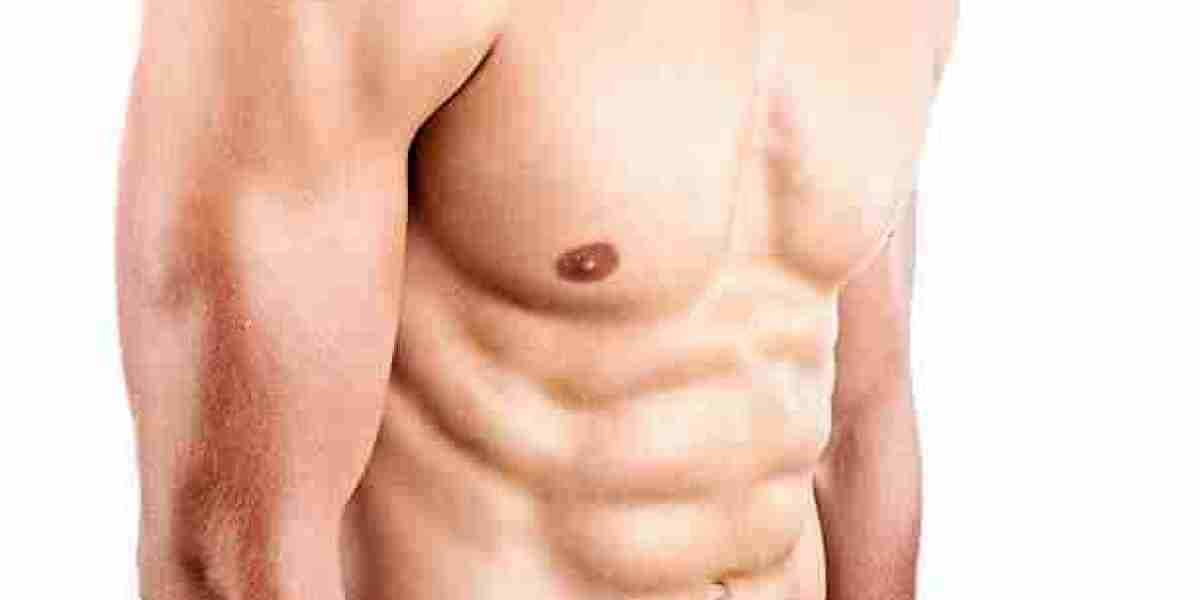

An unwanted chest contour can make the upper body appear less defined and may cause men to feel uncomfortable in fitted clothing or during physical activities. Persistent fullness, nipple projection, or uneven chest shape can result from enlarged glandular tissue, excess fat, or a combination of both. Gynecomastia surgery in Riyadh can help suitable men address these concerns through personalized chest contouring designed to create a flatter and more proportionate appearance.
Understanding Unwanted Chest Contours
The male chest naturally varies in shape and size, but noticeable enlargement can sometimes create a rounded or projected appearance. Gynecomastia occurs when male breast glandular tissue becomes enlarged, while excess fatty tissue can create similar fullness. Understanding the underlying tissue is essential before deciding on an appropriate correction method.
Common Chest Contour Concerns
Men may notice several changes that affect the appearance of the chest, including nipple projection, fullness beneath the areola, uneven sides, excess fat, or loose skin. These concerns can occur individually or together. Their severity can also vary, making an individualized assessment important for determining the most suitable approach.
What Causes Unwanted Chest Fullness?
Hormonal changes, particularly during puberty and aging, may contribute to gynecomastia. Genetics, certain medications, weight fluctuations, and some medical conditions can also play a role. Excess body fat may further increase chest fullness. Identifying potential contributing factors helps distinguish gynecomastia from simple fat accumulation.
Glandular Tissue vs. Fat
Glandular breast tissue is generally firmer and often concentrated beneath the nipple, while fatty tissue is softer and may be spread across a larger area. Some men have both. This distinction matters because liposuction primarily addresses fat, while firm glandular tissue may require surgical excision.
When Is Chest Contouring Considered?
Surgical correction may be considered when unwanted chest contours persist despite lifestyle efforts and begin to affect appearance, comfort, or confidence. Men who have maintained a relatively stable weight but still notice significant fullness may wish to discuss their options with a qualified surgeon.
Who May Be a Suitable Candidate?
Potential candidates are generally healthy men with persistent chest enlargement and realistic expectations. The surgeon may evaluate body weight, skin elasticity, tissue composition, chest symmetry, medical history, and personal goals before recommending treatment.
How Can Surgery Correct Chest Contours?
The procedure is tailored to the type of tissue contributing to the unwanted contour. Liposuction may reduce excess fat, while surgical excision can remove firm glandular tissue. When both are present, combining techniques may provide more complete contouring. The objective is to reduce excessive projection while maintaining natural chest proportions.
Why Is Precise Contouring Important?
The chest should not simply be reduced as much as possible. Excessive tissue removal can potentially create an unnatural depression, while inadequate correction may leave visible fullness. Careful planning helps the surgeon create a smooth transition between the nipple area, chest, and surrounding torso.
What Happens During the Consultation?
During consultation, the surgeon discusses the patient's concerns, medical history, medications, weight changes, and treatment expectations. The chest is examined to determine the amount and type of tissue present and to assess symmetry and skin quality. If the findings suggest an underlying medical or hormonal factor, further evaluation may be recommended.
Preparing for the Procedure
Patients receive personalized instructions before surgery. These may include guidance regarding medications, supplements, smoking, eating and drinking before the procedure, and arrangements for transportation or assistance during recovery. Following the medical team's instructions carefully can help prepare for treatment.
Recovery After Chest Contouring
Temporary swelling, bruising, tightness, and sensitivity can occur following surgery. Recovery varies according to the extent of correction and techniques used. Patients are generally given instructions regarding wound care, medications, physical activity, and follow-up appointments. A compression garment may also be recommended during the healing period.
When Will the New Contour Become Visible?
Some improvement may be noticeable soon after surgery, but swelling can temporarily affect the chest's appearance. As healing progresses, swelling decreases and the tissues gradually settle. The chest contour becomes more refined over time, so patients should allow adequate healing before judging the final result.
Benefits of Correcting Unwanted Chest Contours
A more balanced chest can complement the shoulders and torso while reducing unwanted projection and fullness. Suitable patients may feel more comfortable wearing fitted clothing and participating in activities such as exercise or swimming. Gynecomastia surgery in Riyadh offers a targeted option for men seeking improved chest definition and proportion.
Supporting Long-Term Results
Maintaining a stable weight and healthy lifestyle can help preserve the improved contour. Significant weight changes may affect the amount of fat in the chest and alter its appearance. Patients should also follow postoperative recommendations regarding exercise and activity while the treated tissues heal.
Understanding Potential Risks
As with any surgical procedure, gynecomastia correction involves potential risks, including infection, bleeding, scarring, changes in sensation, asymmetry, contour irregularities, and the possibility of additional treatment. Discussing these risks with a qualified surgeon before treatment helps patients make an informed decision.
Book an Appointment at Royal Clinic Saudi
If unwanted chest contours are affecting your confidence or making you uncomfortable with your appearance, a professional assessment can help you understand your options. Royal Clinic Saudi offers personalized consultations to evaluate chest anatomy and discuss suitable approaches for contour improvement. Schedule an appointment to explore whether Gynecomastia surgery in Riyadh may be appropriate for achieving a flatter and more balanced chest.
FAQs:
What causes unwanted chest contours in men?
Glandular tissue, excess fat, loose skin, or a combination can contribute.
Can exercise correct gynecomastia?
Exercise can reduce fat but may not remove established glandular tissue.
Can surgery address both fat and glandular tissue?
Yes. Liposuction, excision, or both may be used depending on the case.
Will surgery improve chest symmetry?
It can improve noticeable asymmetry, although perfect symmetry cannot always be guaranteed.