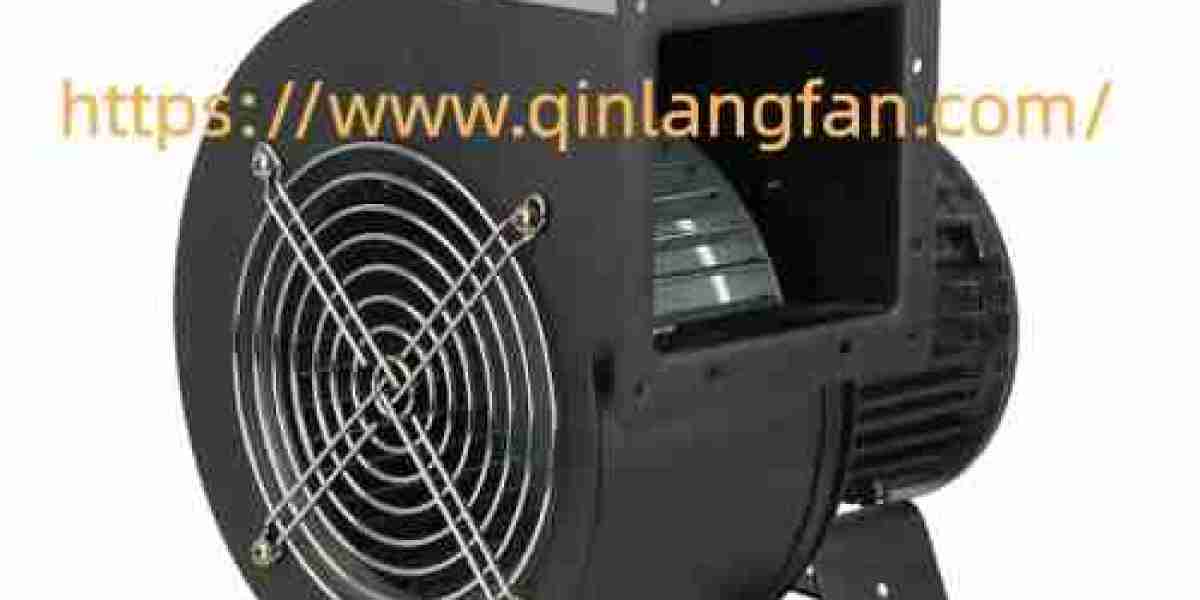

Industrial Centrifugal Fan Manufacturer selection can have a lasting effect on equipment performance, project costs, and day to day operations. For overseas buyers, choosing a production partner involves more than comparing quotations. The real question is whether the company can understand the application, provide accurate technical information, maintain consistent production procedures, and deliver products that match the agreed requirements. A careful evaluation at the beginning can prevent unnecessary adjustments after the equipment reaches the installation site.
Before contacting a potential supplier, define the purpose of the equipment. A factory workshop, a dust extraction system, a commercial building, and a machinery cooling project may require different airflow characteristics. Consider the required air volume, static pressure, operating temperature, available space, and expected running hours. These details give the manufacturer a practical starting point and make technical discussions more productive.
Product specifications deserve close attention. Air volume is important, but it should never be considered in isolation. Pressure resistance, motor power, rotational speed, impeller design, and inlet and outlet dimensions all influence how a unit performs within a complete system. Buyers should request technical documents that explain the relevant operating conditions and confirm that the selected configuration fits the intended application. If a project involves unusual temperatures, moisture, or airborne particles, those conditions should be communicated before the model is finalized.
Production capability is another useful area to investigate. A manufacturing facility should be able to explain its assembly procedures, component inspection methods, and final product checks. Depending on the order, buyers may request dimensional inspection records, electrical test results, performance data, or photographs of the production process. These details help purchasing teams assess how the company manages product consistency and whether its procedures match the needs of the project.
A factory visit or a video meeting can also provide useful insight. Buyers can ask how incoming materials are checked, how production issues are handled, and how finished units are prepared for shipment. The purpose is not simply to see machinery on a production floor. It is to understand how work moves from component preparation to assembly, testing, packaging, and dispatch.
Customization deserves attention when standard products do not fit the installation. Some projects require particular mounting dimensions, electrical configurations, housing arrangements, or connection positions. Qinlang provides ventilation products for different application requirements, giving buyers options to review when planning new installations or equipment upgrades. Customers should share drawings, reference samples, and written specifications when discussing a customized order. Confirming these details early helps both parties understand the expected result before production starts.
Communication is particularly important for international purchasing. Technical questions may involve installation drawings, motor specifications, packaging requirements, export documents, or delivery schedules. A clear quotation should identify the model, quantity, unit price, included accessories, payment conditions, and estimated lead time. Buyers should also confirm whether special packaging, additional testing, or product modifications will affect the final cost.
Quality inspection should continue beyond the initial sample. When a sample is approved, its specifications should be recorded so the production team has a clear reference for the larger order. Buyers can confirm which characteristics will be checked during production and before shipment. Where specific certificates or destination market requirements apply, these should be discussed well in advance. Clear records make it easier to identify discrepancies and resolve questions before the goods leave the facility.
Operating costs also deserve a place in the purchasing decision. Equipment that runs for long periods can contribute significantly to electricity expenses. Correct sizing, appropriate motor selection, and suitable system design can help avoid unnecessary energy consumption. Maintenance access matters as well. Components that are difficult to inspect or replace may increase service time, especially when the equipment operates in a busy production environment.
After sales arrangements are worth reviewing before payment. Ask about warranty coverage, replacement components, maintenance guidance, and the procedure for handling technical problems. For distributors and repeat purchasers, these details can influence inventory planning and customer support. A written agreement helps establish responsibilities and keeps expectations clear throughout the purchasing process.
A sound purchasing decision comes from matching technical requirements with manufacturing procedures, clear communication, and realistic commercial terms. Buyers who check specifications, review inspection practices, and confirm delivery arrangements can approach their projects with greater confidence. To compare available models and review configurations for your application, visit https://www.qinlangfan.com/product/ and see which Qinlang ventilation products align with your installation needs, operating conditions, and purchasing plans.