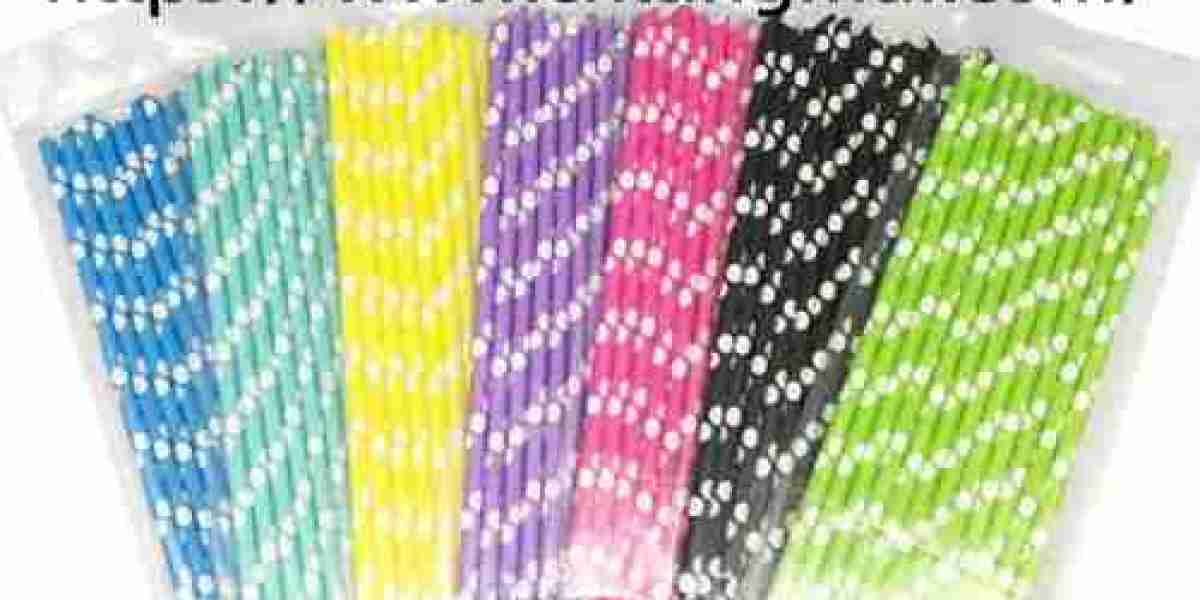

Pointed Paper Straws are an option for beverage businesses that use sealed cups and need drinking accessories suited to their packaging systems. Before placing an order, buyers should evaluate dimensions, material construction, intended applications, customization requirements, and supplier capabilities. These considerations can help importers, distributors, cafes, and foodservice companies select products that match their operational needs while keeping purchasing decisions organized.
One important consideration is the intended beverage application. Different drinks require different packaging arrangements, and the straw should be compatible with the cup opening, sealing film, and expected serving conditions. Buyers should identify whether the product will be used for milk tea, juice, flavored water, or other refreshments. Beverage thickness and the presence of fruit pieces or other ingredients may also influence the required diameter and structure.
Instead of choosing a product based only on its appearance, purchasing teams should request technical specifications from the manufacturer. Confirming the length, diameter, wall construction, and tip design can help prevent compatibility issues. If the product will be paired with a specific cup and lid system, testing samples with the actual packaging is a practical step before approving a bulk order.
Material construction deserves careful attention as well. Paper composition, adhesive selection, and manufacturing processes can affect how a straw performs during use. Buyers should ask about the materials used, moisture resistance, and recommended conditions of use. The product should be evaluated under realistic serving conditions, including the expected time it remains in contact with a beverage.
For businesses with sustainability goals, material documentation is also worth reviewing. Buyers can request relevant information about paper sourcing, product composition, and any applicable certifications. Environmental claims should be supported by appropriate evidence, and packaging requirements should be checked for the destination market. Clear documentation helps businesses communicate product characteristics accurately to their own customers.
Packaging and hygiene arrangements are another part of the purchasing process. Depending on the sales channel, businesses may need bulk-packed products or individually wrapped units. Restaurants and beverage chains may prioritize convenient storage and handling, while distributors may require carton quantities suitable for warehouse operations. Confirming inner packaging, outer carton dimensions, labeling details, and shipping arrangements can help buyers plan inventory more efficiently.
Customization can also influence a purchasing decision. Some businesses want colors that coordinate with cup designs, while others require particular lengths, diameters, or packaging formats. Before requesting a quotation, buyers should prepare a clear specification sheet covering the required dimensions, quantities, artwork, packaging method, and intended use.
For printed packaging or customized product designs, artwork files should be reviewed before production begins. Buyers should confirm available printing methods, color requirements, sample approval procedures, and any additional costs associated with customization. A physical sample can help both parties assess appearance and compatibility. Establishing written approval for the final specification can also reduce misunderstandings when repeat orders are placed.
Order quantity and production planning should not be overlooked. Minimum order quantities, manufacturing lead times, production capacity, and shipping schedules can affect the total purchasing plan. Businesses introducing a new beverage product may prefer to evaluate samples before committing to larger quantities. Established distributors may instead need a repeat ordering schedule that supports regular stock replenishment.
Communication with the manufacturer is especially important when several requirements must be coordinated. Buyers should confirm which specifications are standard, which can be customized, and which requests may require additional production arrangements. They should also ask how quality checks are conducted and whether product dimensions and packaging details are verified before shipment.
Langmai offers a point of contact for businesses assessing paper drinking accessories for beverage packaging projects. Buyers can prepare their product requirements, compare available specifications, and discuss suitable arrangements according to their intended applications and purchasing volumes. Clear communication from the beginning helps both sides coordinate product selection, sampling, and order planning.
Selecting an appropriate product involves more than comparing quotations. Dimensions, material details, sealing compatibility, packaging methods, customization options, and delivery schedules all contribute to a practical purchasing decision. By checking these factors before confirming an order, beverage brands and distributors can reduce avoidable delays and establish a clearer procurement process. Businesses looking for packaging products and supplier information can visit https://www.cnlangmai.com/ to review Langmai and consider options that align with their beverage packaging requirements.