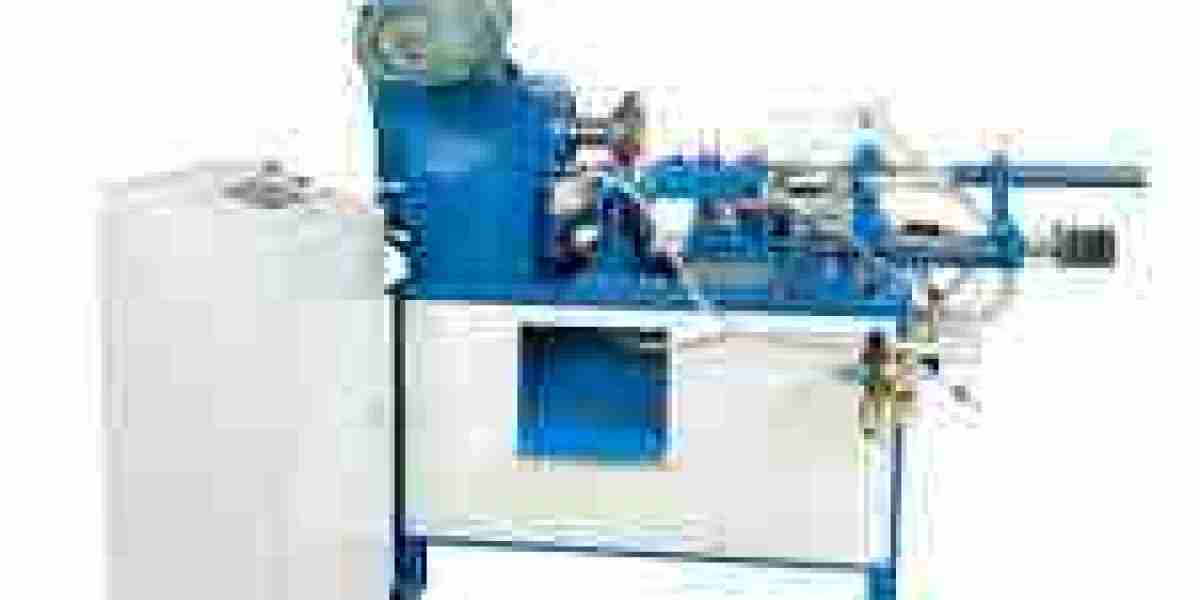

Brush manufacturers often face a practical challenge: completing orders on schedule without creating unnecessary pressure on workers or compromising the quality of finished products. Every stage, from preparing bristle fibers to securing them in a brush base and checking the finished item, affects the time required to complete an order. Suitable Brush Making Machinery can help organize these operations, while automaticmachinefactory provides an online starting point for businesses researching equipment options. Which parts of a brush production process deserve attention when a factory wants to make its daily operations run smoothly?
Identifying Delays Before Changing Equipment
A production cycle does not depend on machine speed alone. Delays can begin before processing starts, particularly when materials are unavailable, product specifications are unclear, or workers need to locate tools during a production run. A machine may perform its assigned operation quickly, yet the entire order can still take longer than expected if preparation and handling are poorly coordinated.
Factory managers can begin by examining how a typical order moves through the workshop. They can record the time spent preparing materials, setting up equipment, processing components, inspecting samples, and transferring products between workstations. This information helps distinguish unavoidable processing time from delays caused by the working arrangement.
For example, a production team manufacturing several brush styles may lose valuable working time when each change of design requires searching for fixtures or checking settings from scratch. Preparing the necessary tools and confirming the relevant specifications before a new batch begins gives operators a clearer starting point. These simple arrangements can make the production schedule easier to manage without immediately replacing existing equipment.
Material consistency also deserves attention. Bristle fibers with unsuitable dimensions or brush bases that do not match the required specifications can interrupt processing and create additional inspection work. Checking incoming materials before production begins helps workers identify potential problems while there is still time to arrange replacements or corrections.
Matching Machine Functions to Brush Designs
Different brushes require different manufacturing arrangements. A cleaning brush, a cosmetic brush, and an industrial brush may use different fiber materials, base shapes, and finishing methods. Equipment selected for one application should not automatically be assumed suitable for every other product category.
Before purchasing machinery, manufacturers should list the brush designs they expect to produce and identify the operations required for each design. These may include fiber feeding, base positioning, bristle insertion, trimming, or other specialized processing tasks, depending on the product and machine configuration. Comparing these requirements with the equipment's documented capabilities helps buyers understand whether a proposed machine fits their intended workload.
The adjustment process is another important consideration. When product dimensions change, operators may need to modify machine settings, replace fixtures, or reposition components. Accessible adjustment points and clear operating instructions can make these changes easier to manage. However, the actual adjustment procedure depends on the machine model, so buyers should confirm the available functions with the supplier rather than assume that every model offers the same capabilities.
A suitable machine configuration also gives production planners a clearer basis for arranging jobs. If several products share similar processing requirements, they may be scheduled together when order deadlines and customer specifications permit. This can reduce unnecessary setup changes and help workers prepare materials in a more orderly manner.
Organizing Material Flow Around the Production Line
The arrangement of a workshop has a direct influence on how easily materials move through manufacturing. If brush bases, bristle supplies, tools, and inspection equipment are stored far from the relevant workstations, employees may spend considerable time walking between tasks. Repeated movement can interrupt concentration and make it harder to maintain a steady production rhythm.
A practical layout places frequently used materials close to the operations that require them, while maintaining appropriate access for workers, maintenance personnel, and material transport. Clearly marked storage areas help employees identify components without mixing materials intended for different products. Production labels and order records can also reduce confusion when several batches are active at the same time.
The transfer of semi-finished products deserves similar planning. Containers, trays, or designated holding areas can help keep components organized while they wait for the next operation. Their use should reflect the product's dimensions and handling requirements, especially when finished surfaces or delicate bristles could be damaged by unsuitable storage.
Communication between workstations matters as well. When operators know which batch is being processed, which materials are needed next, and whether an inspection has been completed, they can prepare upcoming tasks before the current operation finishes. This coordination helps prevent a machine from waiting unnecessarily because the next batch is not ready.
Using Automation Without Overlooking Daily Control
Automation can help manufacturers organize repeated operations and reduce dependence on certain manual tasks. Depending on the equipment, machine-controlled functions may support feeding, positioning, processing, or finishing. Their value depends on how closely the functions match the brush design and the actual conditions of the factory.
Operators still have important responsibilities. They need to load materials correctly, follow operating instructions, monitor machine behavior, and respond when processing results differ from the required specifications. Training should cover normal operation, adjustment procedures, cleaning requirements, and the steps to follow when an abnormal condition appears.
Manufacturers should also examine how the machine fits into the existing production line. A highly automated unit may require changes to material preparation, workstation placement, or operator responsibilities. If those changes are not planned in advance, the installation itself can create temporary disruption instead of improving the working arrangement.
A practical evaluation therefore considers the complete process rather than focusing only on the advertised operating speed. Buyers can ask suppliers which tasks are automatic, which require manual assistance, what adjustments are available, and how the equipment should be integrated with other production stages. Clear answers make it easier to estimate the staffing, training, and preparation required for daily operation.
Preventing Maintenance Issues From Interrupting Orders
Unexpected stoppages can affect production schedules even when materials and workers are ready. Wear on moving parts, accumulated debris, loose fixtures, and unsuitable operating settings may contribute to irregular machine performance. If small warning signs are overlooked, a minor issue can develop into a longer interruption that affects several orders.
Routine maintenance should be planned around the equipment manufacturer's instructions and the conditions in which the machine operates. Appropriate tasks may include cleaning relevant areas, inspecting fixtures, checking moving components, and carrying out recommended lubrication. Parts should be replaced according to their condition and the applicable maintenance guidance.
Keeping maintenance records can help the factory identify recurring concerns. When the same feeding issue appears repeatedly, for instance, reviewing previous incidents may reveal a connection with material quality, setup procedures, or a component that needs attention. This information gives maintenance personnel a more useful starting point than repeatedly correcting the immediate symptom.
Production teams should also establish a clear procedure for reporting abnormal operation. Employees need to know when to pause a task, whom to contact, and how to protect materials already in process. Appropriate safety procedures must always take priority over attempts to keep a machine running.
Keeping Quality Checks Within the Production Schedule
Fast processing has limited value if finished brushes require extensive rework. Uneven bristle placement, inconsistent trimming, damaged bases, or inadequate fiber retention can lead to rejected products and additional labor. These problems may also delay packaging and dispatch, creating pressure elsewhere in the production schedule.
Quality checks can be arranged at suitable points throughout the manufacturing process. Incoming materials should be compared with the required specifications, while sample products can be inspected during production to identify developing variations. The appropriate inspection method depends on the brush type, its intended application, and the customer's acceptance criteria.
When an inspection identifies a problem, the production team should investigate its source rather than simply correct individual pieces. The cause may involve material preparation, machine settings, fixture positioning, operator technique, or equipment condition. Addressing the relevant factor helps prevent the same defect from appearing in later batches.
Clear records also help employees understand which settings and procedures apply to particular products. When a repeat order arrives, documented information can reduce the need to reconstruct the previous setup from memory. This is particularly useful for factories that produce several brush styles and need to maintain consistent specifications across different production runs.
Evaluating Equipment Before Making a Purchase
A machinery purchase should reflect the factory's actual workload, available space, product range, and production plans. Buyers should consider the dimensions of the brushes, the materials involved, the required processing operations, and the quantity expected within a normal working period. These details help establish whether a machine's capabilities are appropriate for the intended application.
The purchase price is only one part of the evaluation. Installation requirements, operator training, maintenance access, spare-part availability, and technical assistance can also affect the resources needed to operate the equipment. Requesting relevant technical documents and discussing practical production scenarios with a supplier can help clarify these requirements before an order is placed.
Manufacturers should ask specific questions about the machine's working range, supported materials, adjustment procedures, and maintenance recommendations. Where feasible, a demonstration or sample-processing assessment can provide useful evidence of how the equipment handles the intended product. Any performance expectations should be checked against documented specifications and actual test conditions.
Companies reviewing equipment options can also compare the proposed machine with their current production arrangements. If the main difficulty is material preparation, purchasing a faster machine may not address the underlying problem. If repeated processing operations are causing delays, equipment with suitable functions may deserve closer consideration. Identifying the source of the delay helps keep purchasing decisions connected to practical factory needs.
For production managers evaluating Brush Making Machinery, the next step is to compare equipment functions with the brush designs, working conditions, and order schedules handled by their teams. Businesses researching available options can visit automaticmachinefactory and review the product information at https://www.automaticmachinefactory.com/ to examine the listed brush-making equipment and determine which specifications warrant further discussion with the supplier.