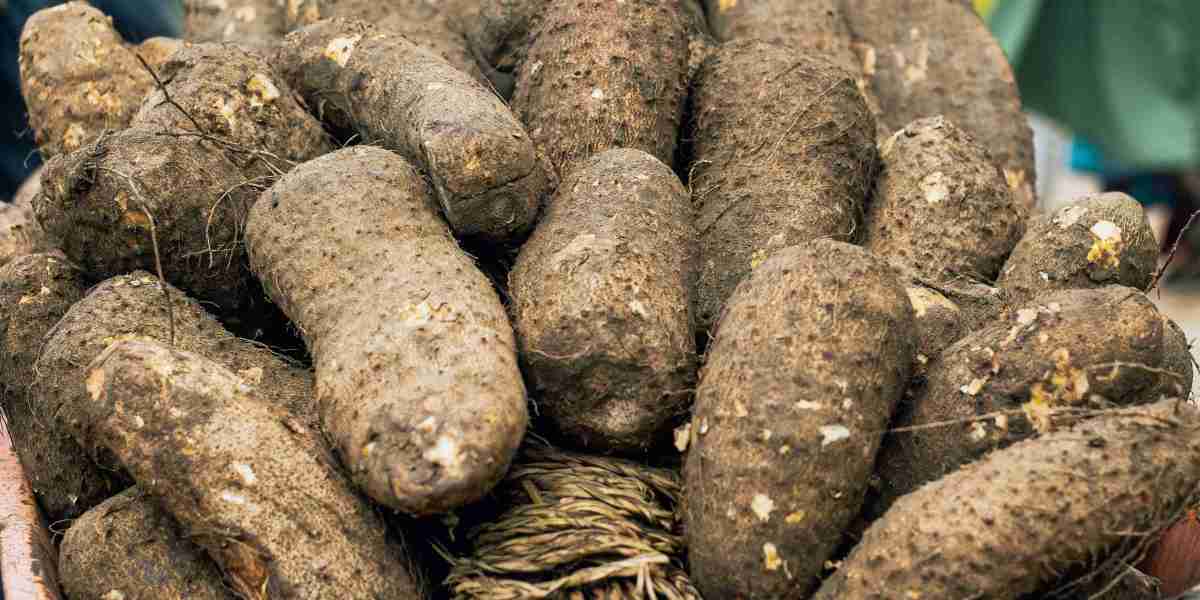

The yam market occupies a distinctive position within the global food industry because yam serves as both a traditional staple and a versatile ingredient for different culinary applications. Consumers use yam in home cooking, restaurants, catering operations, and food manufacturing. Its adaptability supports demand across a range of food preparation methods, while its established role in regional cuisines helps maintain its importance in everyday consumption. Agricultural producers and commercial businesses can participate in this market through cultivation, fresh produce sales, processing, packaging, and distribution. As food businesses seek diverse ingredients and consumers continue to value familiar staples, yam offers opportunities for market development across multiple segments.
Interest in yam-based food products and agricultural supply chains reflects the relationship between farming, food processing, and consumer demand. The market is not limited to the sale of harvested roots. It also includes businesses that transform yam into flour, dried ingredients, snacks, and prepared food products. These activities can increase product variety and make yam accessible to consumers with different cooking preferences. Developing reliable supply networks and maintaining product quality are important considerations for businesses seeking to build sustainable operations in this sector.
The Importance of Yam in the Food Industry
Yam has a long-standing role in food traditions across several regions. It is used in a wide range of dishes, including boiled preparations, fried foods, mashed meals, soups, and regional specialties. Its ability to complement different ingredients makes it suitable for household cooking as well as commercial food preparation.
Restaurants and catering businesses may incorporate yam into traditional menus or develop new dishes that appeal to customers interested in regional cuisine. Food retailers can offer fresh yam for home preparation, while manufacturers can create processed products designed for convenient use.
The familiarity of yam in established food cultures provides a foundation for continued consumer interest. At the same time, its use in different recipes allows food businesses to experiment with product presentation, preparation methods, and packaging formats.
Opportunities for Farmers and Agricultural Businesses
Farmers play a central role in the yam market because agricultural production determines the availability and quality of raw materials. Successful cultivation requires suitable growing conditions, effective crop management, and careful attention to harvesting practices.
Agricultural businesses can explore opportunities by improving the quality of planting materials, strengthening farm management, and developing relationships with wholesalers and food processors. These connections may help farmers understand the specifications required by different buyers, including preferred sizes, product condition, and delivery arrangements.
Cooperative approaches can also help producers coordinate activities, share agricultural knowledge, and organize distribution. Where individual farmers face limitations in storage or transportation, collaborative arrangements may help improve access to commercial markets.
However, production decisions must reflect local environmental conditions and market demand. Careful planning can help farmers manage resources while reducing the risk of producing crops that cannot be sold efficiently.
Processed Yam Products and Product Diversification
Processing creates opportunities to extend yam's usefulness beyond its fresh form. Yam flour is suitable for food preparations that require a ground ingredient, while dried yam can provide an alternative to fresh produce in selected applications. Yam chips and other snack products can appeal to consumers looking for different ways to enjoy familiar agricultural ingredients.
Food manufacturers can explore packaging formats that support convenience, product protection, and straightforward preparation. Product development should also consider texture, flavor, consistency, and suitability for the intended culinary application.
Quality control is essential throughout processing. Proper cleaning, cutting, drying, storage, and packaging can influence the characteristics of the finished product. Businesses must also consider hygiene and appropriate handling procedures to maintain consumer confidence.
Diversification can help companies reach different customer groups, but each product requires an understanding of its target market. A product designed for household cooking may require different packaging and communication from an ingredient intended for commercial food production.
Distribution and Market Accessibility
Distribution determines how efficiently yam moves from farms to end users. Fresh produce commonly passes through several stages, including collection, wholesale trading, retail distribution, and final consumption. Each stage can influence product condition, availability, and overall handling costs.
Well-organized distribution networks can help reduce unnecessary delays and improve communication between suppliers and buyers. Storage facilities suited to the product and local conditions are particularly important when produce must remain in the supply chain for extended periods.
Retailers can support market accessibility by maintaining suitable product displays, monitoring inventory, and providing consumers with useful information about preparation and storage. Processors can benefit from dependable sourcing arrangements that help them plan production and maintain consistent output.
Digital communication and improved market information may also support better coordination. Farmers and buyers who can exchange information about demand, availability, and delivery requirements may be better positioned to respond to changing market conditions.
Challenges and Competitive Considerations
The yam market faces challenges associated with crop variability, post-harvest losses, transportation, and competition among suppliers. Differences in agricultural practices can lead to variations in size, appearance, and product quality. Buyers may have difficulty securing consistent supplies when production is affected by weather or other farming conditions.
Processed products also face competition from alternative ingredients and convenience foods. Businesses must communicate the practical uses and distinctive characteristics of their offerings to attract customers.
Investment in quality management, efficient handling, and dependable supplier relationships can help businesses address these concerns. Understanding local consumer preferences is equally important because food habits, preparation methods, and product expectations vary across markets.
Outlook for Commercial Development
The yam market offers opportunities for agricultural producers, food processors, retailers, and distribution businesses. Greater product variety, improved handling, and more effective coordination across the supply chain can help the industry serve a broader range of consumers.
Businesses that balance traditional food uses with changing convenience requirements may be able to develop relevant products for households and commercial kitchens. Continued attention to agricultural sustainability, processing quality, and customer needs can support the market's long-term development.
FAQs
Q1. How can businesses participate in the yam market?
Businesses can participate through farming, wholesale distribution, fresh produce retailing, yam flour manufacturing, snack production, and the supply of processed food ingredients.
Q2. Why is yam processing important?
Yam processing creates different product formats, expands culinary applications, and can improve convenience for consumers and commercial food businesses.