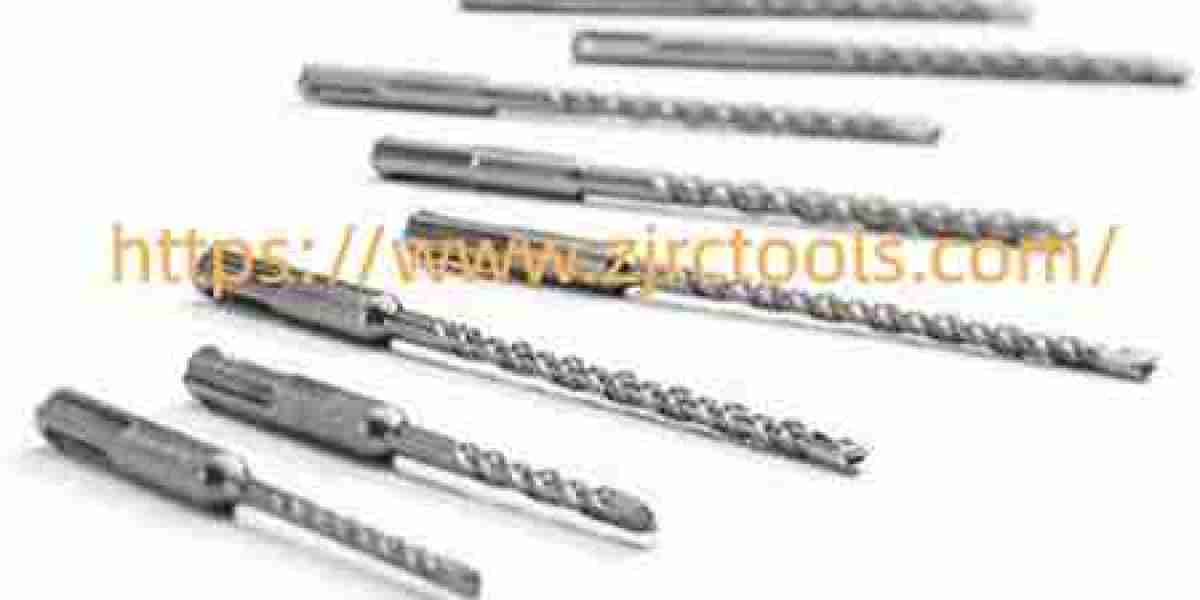

SDS Plus Hammer Drill compatibility matters because the connection between a power tool and its accessory affects how effectively force is transferred during drilling. Choosing a suitable accessory helps contractors prepare for different construction tasks, reduce unnecessary equipment changes, and maintain a consistent working process. Before purchasing drilling equipment, buyers should understand the connection system, application requirements, and specifications that determine whether the selected components work together correctly.
One important consideration is the shank design. SDS Plus accessories use a specific grooved shank that fits a compatible chuck. These grooves allow the accessory to move axially during hammering while remaining secured against unintended release. This arrangement supports the combined rotational and impact action required for drilling into concrete, brick, and other suitable masonry materials.
However, accessories that appear similar may use different connection systems. SDS Plus and SDS Max, for example, are designed for different equipment classes and are not directly interchangeable in standard chucks. Buyers should confirm the exact connection type listed by the manufacturer rather than relying on visual similarities or general product descriptions.
Selecting a compatible accessory begins with identifying the work that needs to be completed. A contractor installing wall anchors may require a relatively small masonry bit, while a technician routing pipes through a concrete wall may need a larger diameter and a suitable drilling depth. The accessory must match the equipment specifications and the dimensions required by the project.
Material selection also affects the decision. Concrete, brick, and natural stone differ in density, structure, and abrasiveness. A masonry accessory designed for the intended material can support appropriate cutting action and wear behavior. Reinforced concrete requires additional care because embedded steel may affect drilling progress. Operators should follow the equipment and accessory manufacturers instructions when encountering reinforcement or unexpected resistance.
An incompatible shank can prevent proper installation or create unsafe working conditions. If an accessory does not fit the chuck as specified, operators should stop and select a compatible component instead of forcing it into place. Incorrect connections may affect retention, alignment, and the transfer of impact energy.
Fit alone does not determine suitability. Buyers should also check the permitted accessory diameter, overall length, working length, and intended application. A long bit may be necessary for a deep opening, but its length must remain within the equipment manufacturers stated limits. Excessive side pressure or unsuitable operating conditions can increase wear and affect drilling accuracy.
Dust management is another factor worth considering. When working in masonry, drilling can produce fine particles that reduce visibility and create respiratory hazards. Suitable extraction equipment, appropriate protective equipment, and workplace dust control procedures should be considered according to the job requirements. Some accessories include dust extraction features, but their compatibility with the tool and extraction system should be verified before use.
Professional contractors should assess more than the chuck connection when comparing equipment. Rated power, impact energy, operating speed, vibration control, weight, and handle design can influence how a tool performs during a particular task. Frequent overhead drilling may call for different handling considerations from occasional anchor installation at ground level.
For repeated work, accessory durability and availability can also affect purchasing decisions. Standardized sizes may simplify stock management for construction companies and distributors. Keeping commonly used diameters available can reduce delays when projects involve multiple installation points or different building materials.
Maintenance should form part of the selection process as well. Operators should inspect the shank for visible damage, clean the connection area according to the product instructions, and use the specified lubrication where required. Worn or damaged accessories should be replaced. The chuck and retaining mechanism should also be checked periodically to ensure that they function as intended.
For wholesale buyers, clear product information helps prevent mismatched orders. Before confirming a purchase, request the connection standard, compatible equipment range, recommended applications, accessory dimensions, packaging details, and applicable quality documentation. If a product will be distributed across different markets, confirm that its specifications and labeling meet the requirements of the intended destination.
Manufacturers and suppliers can also help buyers compare product configurations against their intended workloads. Providing details about material types, hole diameters, drilling frequency, and working conditions makes the discussion more useful than selecting products by appearance alone. Samples and technical documentation may help procurement teams evaluate whether a proposed accessory fits their requirements.
Reliable tool selection depends on accurate specifications, suitable accessories, and correct operating practices. Contractors who verify these factors before starting work can make more informed purchasing decisions and establish a more organized equipment management process.
For distributors, contractors, and professional users evaluating construction tool options, Rct offers a starting point for reviewing product information and discussing application needs. Visit https://www.zjrctools.com/ to view the companys available products and identify suitable solutions for your purchasing plans. By confirming equipment compatibility and intended working conditions before ordering, buyers can select tools and accessories that align with their project requirements.