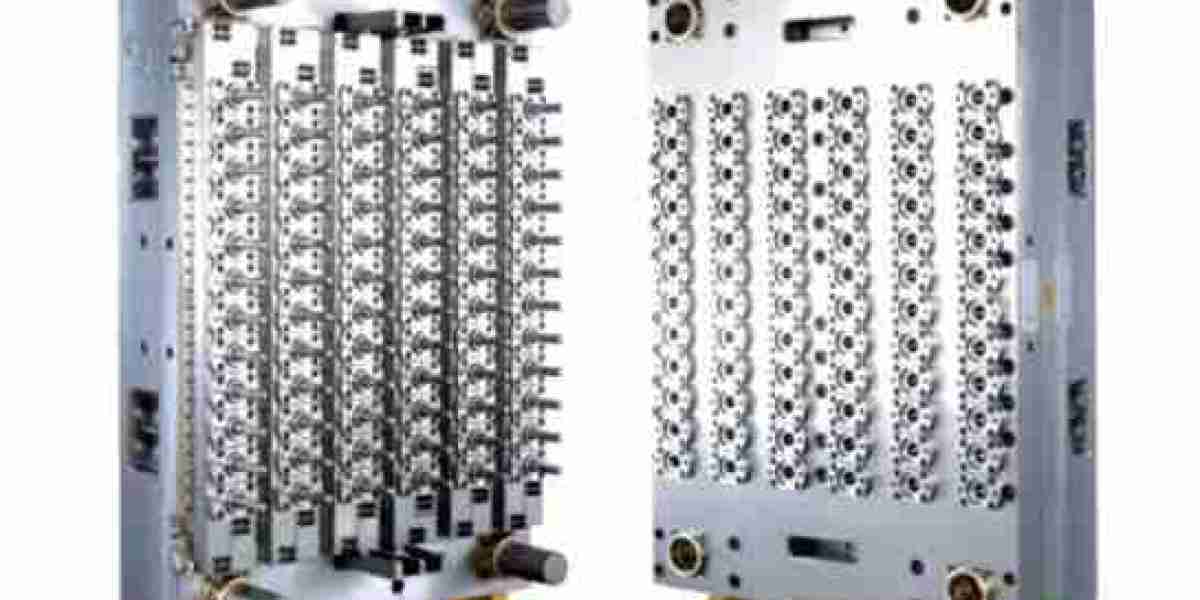

Packaging design is not just about how a container looks on a shelf; it also affects filling, storage, access, and everyday convenience. For manufacturers developing containers with larger openings, a well-designed Wide-Mouth Mould can help create practical bottle structures that meet specific product requirements. When production teams need flexibility in container design, a suitable Wide-Mouth Mould provides a foundation for consistent manufacturing, while Wide-Mouth Moulds support packaging concepts that make filling and accessing products easier. From food containers to household and industrial packaging, Wide-Mouth Moulds can help manufacturers explore designs that combine functionality, reliable production, and a distinctive appearance.
Why Wide Openings Make a Difference
A wide opening can make a container more convenient for both manufacturers and end users. Depending on the application, it may simplify filling, allow easier access to the contents, and make cleaning or refilling more practical. These advantages can be especially useful for containers designed to hold powders, creams, granular materials, food products, or other items that benefit from a larger opening.
The opening diameter should match the product's intended use. A container designed for easy pouring may need different proportions from one intended for scooping or transferring thicker contents. The neck shape, thread design, cap compatibility, and container capacity should therefore be considered together rather than treated as separate details.
Good packaging design also considers transportation and storage. A wide-mouth container must still fit the required packing arrangements and provide suitable protection for its contents. By defining these needs early, manufacturers can make better decisions about the overall container structure.
Turning Packaging Concepts into Practical Moulds
Before production begins, manufacturers should establish clear specifications for the container. These typically include the opening diameter, neck dimensions, wall structure, overall height, capacity, and closure requirements. Accurate information helps mould designers understand the intended product and identify potential design challenges.
The selected mould must also be compatible with the production process and equipment. Material characteristics, forming conditions, cooling arrangements, and dimensional tolerances can all influence the finished container. When these factors are considered during development, manufacturers can reduce unnecessary revisions and improve the likelihood of achieving consistent results.
Prototype evaluation can be helpful when introducing an unfamiliar container shape. A sample allows the team to examine how the opening works with the selected closure and whether the package meets practical handling requirements. Testing may also reveal issues involving stability, filling, or compatibility with downstream equipment.
The goal is to create a mould that supports the complete packaging application, not simply one that reproduces a particular shape.
Explore Mould Options with QHPreformMould
Finding a suitable mould supplier begins with understanding the requirements of the finished product. QHPreformMould provides a starting point for manufacturers exploring wide-mouth mould products and considering options for different container applications.
When discussing a project with a supplier, buyers should share technical drawings, material preferences, production expectations, and information about existing machinery. It is also useful to clarify requirements for closure compatibility, surface finish, dimensional accuracy, and inspection procedures.
Different industries may have different priorities. Food packaging may place particular emphasis on convenient access and suitable closure performance, while industrial containers may require designs that accommodate specific contents and handling conditions. Sharing the intended application helps the supplier assess which design details deserve the most attention.
Manufacturers should also ask about maintenance requirements and technical support. These considerations help build a clearer picture of the mould's expected role throughout the production process and make it easier to compare potential solutions.
Improving Consistency Across Production Runs
Consistent container quality depends on more than the mould itself. Material quality, machine settings, temperature control, cooling conditions, and operator procedures all contribute to the final result. A carefully designed mould provides an important starting point, but production teams must also manage the surrounding process.
Routine inspections can help manufacturers identify dimensional variations, surface defects, or problems with the opening and closure area. Keeping records of recurring issues may help operators determine whether adjustments or maintenance are needed.
Mould care is another part of long-term production planning. Appropriate cleaning, inspection, and storage can help protect equipment between production runs. Following supplier recommendations for maintenance can also help reduce avoidable interruptions.
For manufacturers producing several container styles, clear documentation is particularly valuable. Organized drawings, specifications, and inspection records help teams manage product changes and communicate requirements consistently across departments.
Planning for Flexible Packaging Applications
Wide-mouth containers can serve many purposes, but each application brings its own design considerations. Manufacturers developing a new package should think about how consumers will open it, access its contents, store it, and handle it after use. These practical details can influence customer satisfaction as much as visual design.
It is also worth considering future product development. A business may eventually need different container capacities, updated closures, or alternative packaging dimensions. Reviewing these possibilities during the planning stage can help manufacturers understand which requirements are fixed and which may change later.
A successful project brings together product design, mould engineering, equipment compatibility, and quality management. When these elements are aligned, manufacturers are better positioned to develop packaging that suits both production needs and real-world use.
If you are researching mould solutions for your next container project, visit https://www.qhpreformmould.com/ to explore available products and gather ideas for your manufacturing requirements. With clear specifications and careful planning, a suitable wide-mouth mould can help turn a packaging concept into a practical, production-ready solution.