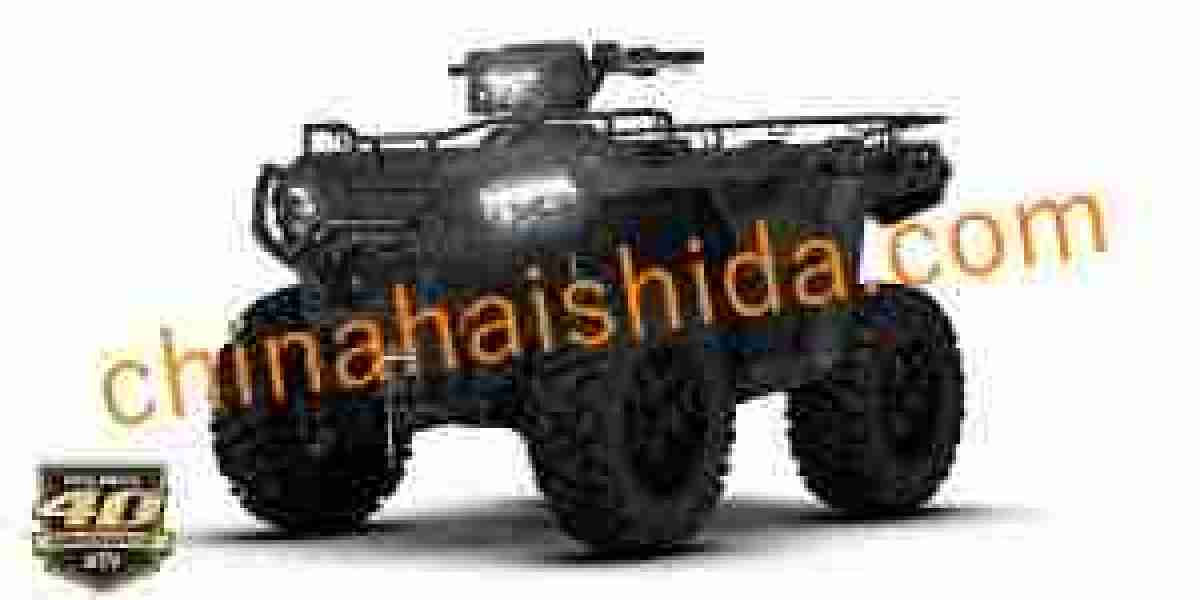

In remote locations, transportation challenges often come from the transition between different surfaces rather than from one difficult stretch of road. A vehicle intended for land and water travel must accommodate changing traction, uneven approaches, wet surroundings, and the practical needs of its operators. When assessing an Amphibious Vehicle ATV, buyers should look at the complete operating system, including the body structure, wheel arrangement, steering, water propulsion, and access to maintenance points. The goal is to find a vehicle suited to the real working environment rather than relying on a single feature to represent overall capability.
Material selection influences how the vehicle responds to repeated outdoor exposure. Body structures and protective panels may encounter water, abrasive soil, branches, stones, and cleaning agents during regular use. Metals can provide structural support, but the chosen material and its surface protection should reflect the likelihood of corrosion and physical wear. Polymer and composite components may be suitable for selected body parts or protective applications, depending on the design. Buyers should understand which materials are used in exposed areas and how the manufacturer recommends maintaining them after work in wet or abrasive environments.
The way materials are joined is also important. Seams, access covers, connection points, and enclosure openings need to suit the vehicle’s intended amphibious use. Their design affects water protection and the accessibility of internal systems during inspection. Protective coatings may help preserve exposed surfaces, but they do not replace suitable construction or regular maintenance. When reviewing a vehicle, organizations can ask about enclosure design, corrosion prevention, cleaning procedures, and inspection routines. These details provide a practical understanding of how the vehicle is intended to withstand the conditions it may encounter.
A suitable purchasing decision begins with the job description. Forestry teams may need to move through muddy tracks and vegetation, while agricultural users may travel across wet fields or reach areas away from established roads. Rescue organizations may prioritize access to locations affected by flooding, whereas environmental teams may need to reach remote monitoring sites with care for sensitive surroundings. Buyers should consider the route, ground conditions, water environment, transported equipment, and frequency of use. Local regulations and environmental restrictions also matter, especially when operating in protected wetlands or waterways.
The vehicle’s mobility depends on how its mechanical systems work together. Wheel layout and tire tread affect contact with the ground, while the drivetrain determines how driving force is distributed. Steering design influences maneuverability around obstacles and within confined spaces. For travel on water, the propulsion system must be compatible with the body structure and intended operating conditions. The transition between land and water also calls for appropriate operating procedures, since shoreline slope, underwater obstacles, currents, and changing weather can affect route suitability. Buyers should evaluate these elements as parts of one coordinated mobility system.
Operator controls contribute to both efficiency and safe handling. A clearly arranged control area helps drivers understand the vehicle’s functions, while good visibility supports awareness of surrounding terrain and nearby people. Entry points, handholds, seating, and storage arrangements should suit the tasks operators perform and the protective clothing they may wear. Controls and displays should be understandable in outdoor conditions, where mud, rain, and gloves can complicate routine actions. Organizations evaluating vehicles can arrange practical demonstrations to assess accessibility, turning behavior, and the ease of learning normal operating procedures.
Maintenance is another important part of the ownership experience. After use in wet fields or muddy terrain, accumulated debris may conceal wear or obstruct access to components. A design that allows routine inspection and cleaning can help technicians identify issues before they interfere with work. Buyers should review the manufacturer’s recommended maintenance practices and consider the availability of service documentation, replacement parts, and technical assistance. It is also useful to assess whether local staff have suitable facilities and training for the expected maintenance tasks, particularly when the vehicle will operate far from a service center.
Exterior design affects more than appearance. Body contours influence the arrangement of seating, storage, controls, and service openings. Wheel placement and the position of exposed components affect how the vehicle moves across uneven ground and how easily it can be inspected. Durable finishes can support protection against outdoor exposure, while visible identification markings help organizations manage vehicles within a fleet. Optional equipment should be chosen according to the work being performed, with attention to how added items affect visibility, access, balance, and the operator’s ability to control the vehicle.
LIN HAI HAISDER MACHINERY CO.,LTD. develops amphibious all-terrain vehicles and tracked vehicles for applications that include emergency rescue, flood response, forestry, agriculture, and tourism. Its vehicle offerings address different working environments, with customization options that can be discussed according to operational needs. Buyers considering an amphibious vehicle can share details about terrain, water exposure, equipment transport, operator training, and maintenance arrangements when evaluating suitable configurations. More information about the company and its products is available at https://www.chinahaishida.com.