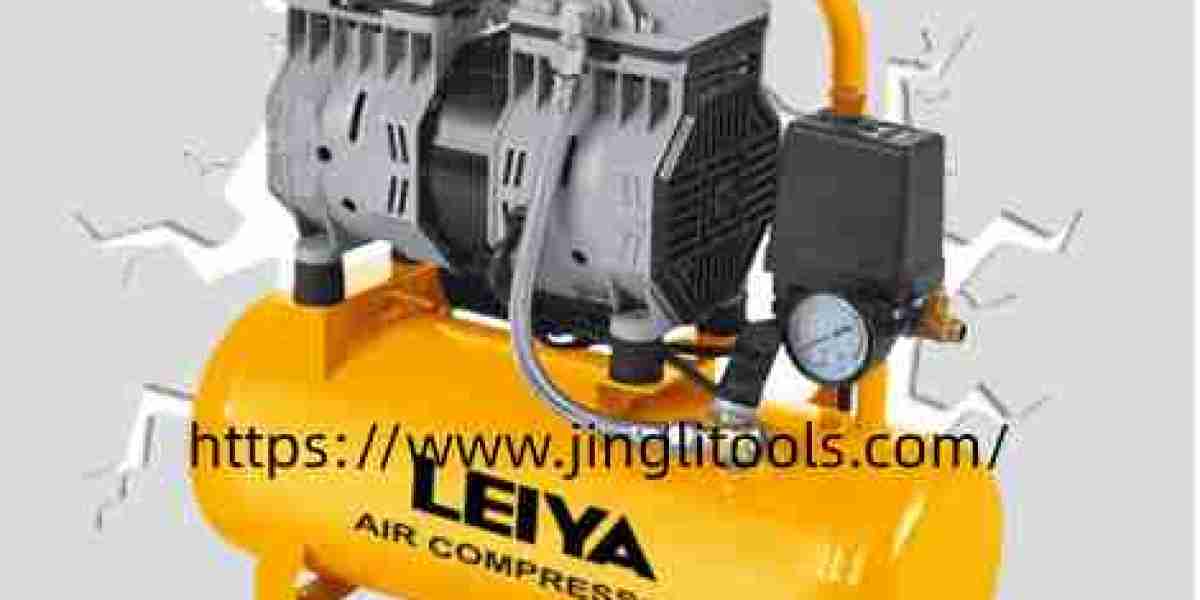

Air Compressor selection begins with your business requirements, connected tools, and installation environment. Workshops, contractors, retailers, and wholesale buyers may need different configurations depending on their workload and operating routines. Before placing an order, assess pressure ratings, output capacity, tank volume, electrical compatibility, maintenance needs, and supplier documentation. Reviewing these factors together can help businesses compare suitable models and make informed purchasing decisions based on practical requirements.
Define Your Intended Applications
Start by listing the tasks the equipment will support. A repair workshop may use pneumatic tools for occasional maintenance, while a production facility may need a consistent supply for repeated operations. Distributors should also consider their customers' applications when deciding which models to include in their inventory.
Check the specifications of each tool that will connect to the system. Different tools require different working pressures and consume different amounts of compressed air. If several tools may operate simultaneously, estimate their combined demand rather than evaluating each tool separately.
Usage frequency also matters. Short tasks can create different demands from extended spraying or continuous workshop operations. Defining your expected workload provides a useful basis for comparing models and avoiding unnecessary purchasing expenses.
Evaluate Pressure and Output Capacity
Pressure and output capacity describe separate equipment characteristics. Pressure is commonly measured in PSI or bar, while output volume may be expressed in CFM or litres per minute. Buyers should consider both measurements when determining whether a model can support their intended applications.
Check the working pressure specified for each tool and compare it with the manufacturer's product information. Pay attention to the conditions under which output figures are measured, because values obtained under different conditions may not be directly comparable.
Consider how demand changes during a normal work cycle. Equipment used intermittently may have different requirements from tools that operate for extended periods. Understanding these patterns can help buyers select a suitable configuration for their daily workload.
Select a Suitable Storage Tank
The storage tank holds compressed air for use when demand changes. However, a larger tank does not automatically provide greater continuous output. Tank volume should be considered alongside delivery capacity, working pressure, and operating frequency.
For occasional maintenance tasks, a compact model may be appropriate if its specifications meet the application requirements. Longer periods of tool operation may require a different balance between storage volume and output capacity.
Measure the intended installation area before ordering. Leave sufficient space for ventilation, inspection, and servicing. If the equipment needs to move between work areas, review its dimensions, weight, handles, and wheels where available. These details can influence handling and workspace organization.
Consider Oil-Free Pump Technology
An oil-free pump may suit businesses looking to simplify certain routine maintenance tasks. Unlike oil-lubricated designs, it does not require regular pump-oil changes. Nevertheless, maintenance requirements depend on the model, operating conditions, and manufacturer's instructions.
Consider the cleanliness requirements of your application. Some processes require specific air-quality conditions, so buyers should confirm whether the equipment and any necessary filtration meet their needs. An oil-free pump does not automatically eliminate moisture or particles from the entire system.
For workshops, retailers, and distributors evaluating this category, jinglitools offers an oil-free product range for consideration. Review the available specifications and confirm that a model suits your intended applications before requesting a quotation or arranging a bulk purchase.
Check Electrical Compatibility and Servicing Needs
Before installation, verify the required voltage, current rating, and electrical connection. These specifications must match the power supply available at the intended location. If the equipment will operate indoors or near employees, review the published noise rating and consider the surrounding working environment.
Create a maintenance plan before the equipment enters service. Depending on the design, routine care may include draining accumulated moisture, inspecting connections, cleaning designated components, and replacing service parts according to the manufacturer's instructions.
Ask about replacement-part availability, warranty conditions, and product documentation. For businesses purchasing multiple units, clear instructions can support consistent inspections and help employees maintain service records across different locations.
Compare Suppliers and Total Purchasing Costs
The initial quotation is only one part of the purchasing decision. Consider accessory costs, maintenance expenses, warranty coverage, delivery arrangements, and the supplier's process for responding to technical questions. These details can affect the overall budget and the time needed to prepare equipment for use.
Before confirming an order, request clear information about product dimensions, rated capacity, electrical requirements, included accessories, packaging, minimum order quantities, and estimated delivery schedules. Distributors should also verify product descriptions so their sales teams can communicate technical information accurately.
A comparison sheet can help organize the decision. Record intended applications, pressure requirements, output capacity, tank volume, electrical specifications, noise information, maintenance needs, and quoted prices for each candidate. Applying consistent criteria makes it easier to compare available options and explain the final selection.When you are ready to review product information and available equipment, visit https://www.jinglitools.com/ to explore the range offered by jinglitools. Comparing documented specifications with your workload, installation conditions, and maintenance plans can help you prepare a purchasing decision that supports your business requirements.