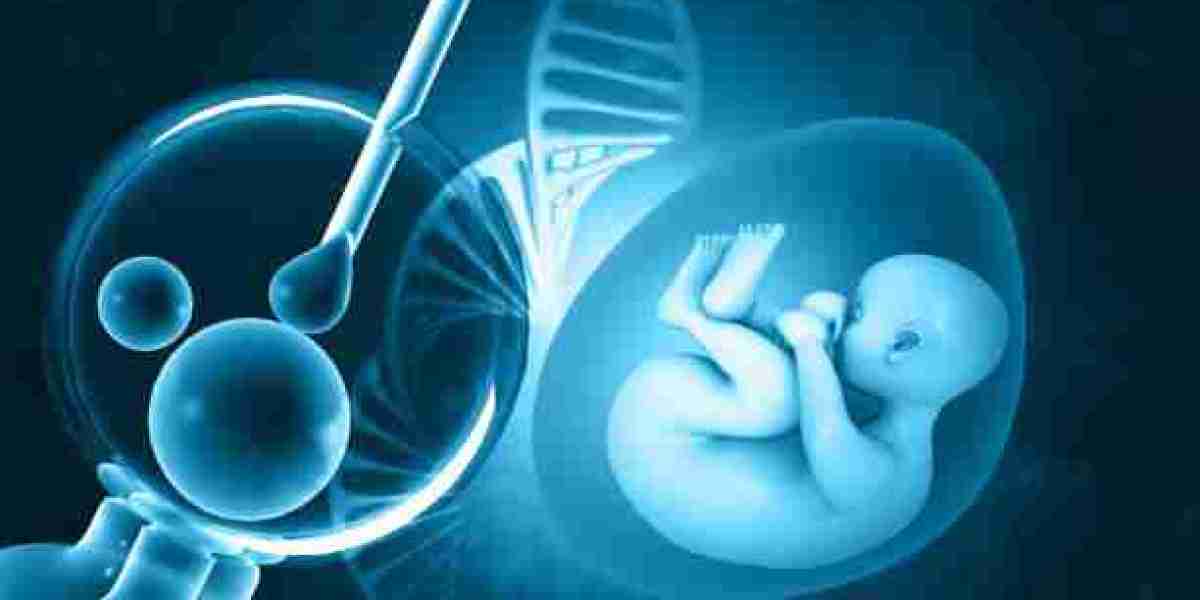

The demand for advanced reproductive healthcare has grown steadily as lifestyle changes, delayed parenthood, and increasing awareness of fertility treatment encourage more couples to seek medical support. In the United Arab Emirates, healthcare providers continue expanding specialized fertility services while integrating modern laboratory technologies and personalized treatment approaches. These developments are strengthening patient outcomes and making fertility care an increasingly important component of the country's healthcare ecosystem.
The UAE In Vitro Fertilization Market reflects this transformation by highlighting how technological innovation, supportive healthcare infrastructure, and rising awareness are reshaping assisted reproductive care across the country. A recent analysis on fertility treatment advancements in the UAE discusses the evolving landscape, emerging clinical practices, and factors influencing the adoption of assisted reproductive technologies. The report also explores the broader trends shaping fertility services over the coming years.
Healthcare providers are increasingly focusing on patient-centric treatment pathways that combine advanced diagnostics with individualized care plans. Greater public awareness, wider availability of fertility specialists, and continuous investments in healthcare infrastructure are supporting the growing acceptance of reproductive medicine among both local residents and expatriates.
Growing Awareness Is Encouraging Early Fertility Evaluation
Public understanding of fertility challenges has improved considerably in recent years. Educational initiatives from healthcare institutions and fertility specialists have encouraged couples to seek medical advice earlier rather than postponing evaluation until later stages. Early diagnosis allows physicians to identify underlying reproductive conditions sooner, improving opportunities for appropriate intervention.
Awareness campaigns also help reduce social stigma surrounding infertility, creating an environment where individuals feel more comfortable discussing reproductive health and exploring available treatment options. As conversations become more open, demand for professional fertility consultations continues to increase.
Technology Is Improving Treatment Precision
Modern fertility clinics increasingly rely on sophisticated laboratory technologies to improve treatment accuracy and embryo selection. Digital imaging systems, genetic screening techniques, and advanced embryo culture methods enable clinicians to make more informed decisions throughout the treatment process.
Artificial intelligence is also beginning to support fertility specialists by analyzing embryo development patterns and assisting laboratory workflows. Although medical expertise remains central to treatment decisions, technological innovations are helping clinics enhance efficiency while supporting personalized patient care. According to the World Health Organization, infertility affects millions of people globally, highlighting the growing importance of accessible reproductive healthcare services.
Personalized Treatment Strategies Continue to Evolve
Every fertility journey presents unique medical considerations. Rather than relying on standardized treatment plans, many clinics now develop individualized protocols based on age, hormonal profiles, reproductive history, and other clinical factors. This personalized approach aims to optimize treatment planning while addressing each patient's specific reproductive needs.
Comprehensive fertility assessments, nutritional guidance, psychological counseling, and ongoing monitoring are becoming increasingly integrated into reproductive healthcare programs. Such multidisciplinary care supports patients throughout every stage of treatment while improving the overall healthcare experience.
Supportive Healthcare Infrastructure Strengthens Fertility Services
The UAE continues investing significantly in healthcare modernization, creating favorable conditions for specialized medical services, including reproductive medicine. Modern hospitals, specialized fertility centers, and internationally trained healthcare professionals contribute to maintaining high standards of clinical care across the country.
Private healthcare providers have expanded their reproductive medicine capabilities through investments in advanced laboratories and specialized equipment. These developments have increased access to comprehensive fertility services while supporting medical innovation within the broader healthcare sector. The Organisation for Economic Co-operation and Development (OECD) notes that healthcare innovation and digital transformation continue improving patient-centered medical services across many developed healthcare systems.
Medical Tourism Adds Momentum to Fertility Care
The UAE has established itself as an important destination for medical tourism, supported by internationally accredited healthcare facilities and strong clinical expertise. Patients from neighboring countries increasingly consider the UAE for fertility treatments because of its modern healthcare infrastructure and access to specialized reproductive technologies.
Convenient travel connectivity, multilingual healthcare professionals, and comprehensive patient services further strengthen the country's appeal as a regional healthcare destination. These factors contribute to sustained interest in reproductive medicine alongside broader healthcare expansion.
Future Outlook for Fertility Care in the UAE
The future of fertility treatment will likely be shaped by continued technological progress, personalized reproductive medicine, and ongoing investments in healthcare innovation. As research expands and clinical techniques continue evolving, fertility specialists are expected to gain access to increasingly sophisticated diagnostic and laboratory capabilities.
Greater awareness, supportive healthcare policies, and expanding access to specialized fertility services are expected to reinforce the importance of reproductive healthcare within the UAE's medical landscape. While individual treatment outcomes depend on numerous medical factors, the continued advancement of fertility care reflects the country's broader commitment to healthcare excellence and innovation.
Overall, advancements in reproductive technologies, improved patient awareness, and expanding clinical capabilities are collectively transforming fertility care across the UAE. These developments demonstrate how innovation, specialized expertise, and patient-centered healthcare continue supporting the evolution of modern reproductive medicine.