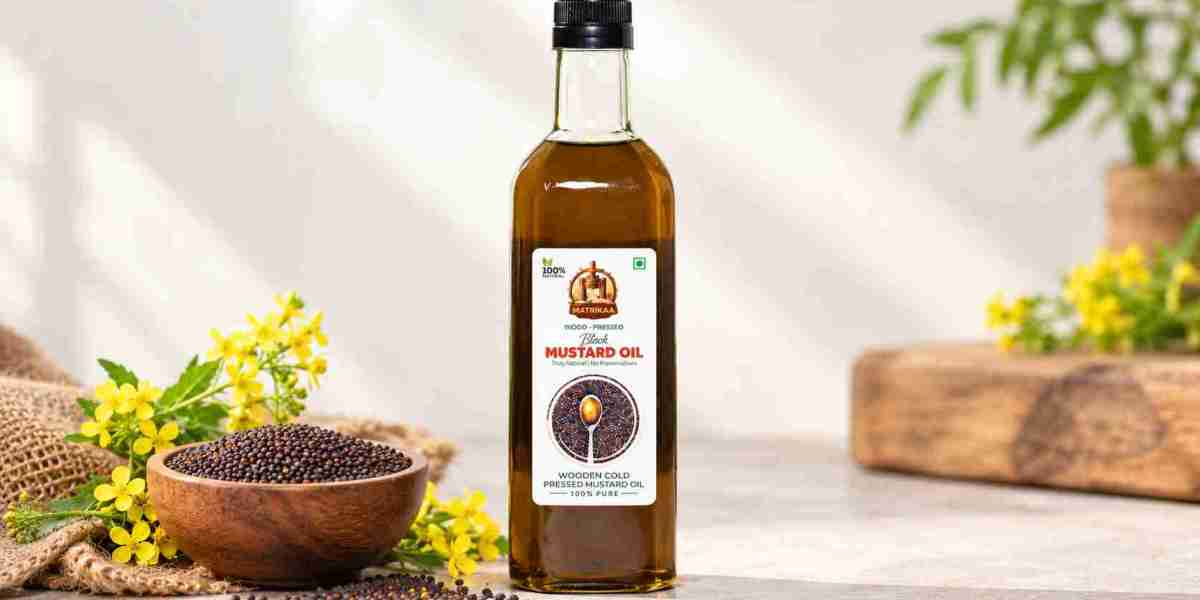

Black mustard oil has been a familiar ingredient in Indian kitchens for generations. Known for its strong aroma, rich taste, and traditional use, it is commonly used in cooking, pickling, and everyday food preparation. But have you ever wondered how mustard seeds are turned into oil?
The method used to extract oil can make a difference in its taste, aroma, and overall quality. Traditional wood pressing is one method that has been used for generations. It focuses on slowly pressing mustard seeds rather than relying on aggressive processing.
What Makes Black Mustard Seeds Special?
Black mustard seeds come from the mustard plant and are known for their sharp, pungent flavour. They contain naturally occurring oils and plant compounds that make them useful for oil extraction. These seeds are traditionally used to make Wooden Pressed Black Mustard Oil, known for its distinctive aroma and flavour.
Before pressing, the seeds need to be properly cleaned and prepared. Good quality seeds are important because the quality of the raw material directly affects the final oil.
For students learning about food processing, this is a simple example of how a natural food product can go through several careful stages before reaching the kitchen.
How Black Mustard Oil Is Made Through Wood Pressing
The traditional wood pressing method is based on a simple idea: pressure is used to extract oil from mustard seeds without relying on complicated industrial processing.
The process generally involves these steps:
1. Selecting Good Quality Mustard Seeds
The process begins with selecting mature black mustard seeds. Damaged, dusty, or unwanted materials are removed before processing.
Careful selection helps maintain the natural characteristics of the oil and provides a cleaner raw material for pressing.
2. Cleaning the Seeds
The mustard seeds are cleaned to remove stones, dust, plant particles, and other unwanted materials.
This step may seem basic, but it is important for maintaining hygiene and ensuring that only suitable seeds move to the next stage.
3. Slow Wood Pressing
The cleaned mustard seeds are placed into a traditional wooden press, often known as a wooden ghani.
Instead of crushing the seeds rapidly with high-powered machinery, the seeds are pressed gradually. This slower process helps extract the naturally present oil while maintaining the characteristic mustard aroma and flavour.
The traditional approach is one reason many people prefer wood pressed mustard oil for everyday cooking.
4. Collecting the Extracted Oil
As pressure is applied, oil is gradually released from the mustard seeds. The extracted oil is collected separately from the remaining seed material.
At this stage, the oil has its characteristic golden to deep yellow appearance and strong mustard aroma.
5. Filtering the Oil
Freshly pressed oil may contain tiny natural particles from the seeds. It can therefore be filtered to remove unwanted solid matter.
The goal is to provide a cleaner oil while keeping the naturally occurring characteristics of the product intact.
6. Storing and Packaging
After processing and filtration, the oil is stored in suitable food-grade containers. Proper packaging helps protect it from moisture, contamination, light, and other factors that can affect quality.
This final stage ensures that the oil is ready to make its way from the processing unit to the consumer's kitchen.
Why Is the Traditional Wood Pressing Method Popular?
The traditional method has remained popular because it connects modern consumers with an older way of processing edible oils.
Some of its commonly appreciated characteristics include:
Strong and natural mustard aroma
Distinctive pungent flavour
Traditional extraction process
Minimal processing approach
Suitable for everyday Indian cooking
Familiar choice for pickles and regional recipes
It is important to remember that the nutritional value of an oil depends on several factors, including the mustard seeds used, processing conditions, storage, and overall product quality.
Wood Pressed vs. Highly Processed Oil
Not all edible oils are produced in the same way. Conventional industrial processing can involve multiple stages designed to improve appearance, stability, shelf life, or consistency.
Traditional wood pressing takes a more straightforward approach. The focus is primarily on mechanically extracting oil from seeds.
For consumers, understanding the production method can make it easier to compare different oils and decide which type fits their cooking preferences.
How to Identify Good Quality Mustard Oil
When choosing mustard oil, do not focus only on the label. Look at the complete product information.
Here are a few things worth checking:
Read the ingredient information carefully.
Check how the oil has been extracted.
Look for clear information about the source of mustard seeds.
Check the packaging and manufacturing details.
Store the bottle according to the manufacturer's instructions.
Choose a product from a reliable food brand.
Learning how an oil is made can also help students become more informed consumers. A basic understanding of food processing makes it easier to ask the right questions before purchasing packaged foods.
Bringing a Traditional Process to the Modern Kitchen
Traditional food preparation methods continue to attract attention because they preserve familiar flavours and connect people with older culinary practices. Wood pressing is a good example of this balance between tradition and modern food consumption.
Black mustard oil made through traditional pressing can bring a strong mustard character to dishes, making it suitable for recipes where its distinctive flavour is part of the experience.
Whether it is used for cooking, pickling, or traditional recipes, understanding its journey from mustard seed to bottle gives us a better appreciation of the food we use every day.
Conclusion
The journey of black mustard oil begins with carefully selected seeds and continues through cleaning, slow wood pressing, filtration, and packaging. Unlike complicated industrial processes, traditional wood pressing follows a relatively simple mechanical approach that has been used for generations.
For anyone interested in naturally processed foods, learning about Cold Pressed Oils can be a useful starting point for understanding how different seeds are transformed into edible oils. Knowing the extraction method, ingredients, and processing practices can help consumers make more informed choices for their kitchen.