
Peach Hair Mist can help beauty brands introduce a fruity fragrance concept that connects with shoppers seeking enjoyable additions to their personal care routines. As the beauty market continues to evolve, customers are paying attention to fragrance, packaging, convenience, and the overall experience of using everyday grooming products. For manufacturers and retailers, this creates an opportunity to develop distinctive collections that reflect changing preferences while offering practical options for different customer groups.
Fruit inspired fragrances have an appealing place in personal care because they can communicate freshness, sweetness, and a cheerful mood. A juicy fruit accord may create a playful impression, while floral elements can add softness and musk can bring a smooth finish. These combinations give product developers several ways to shape an aroma for different audiences. Some customers may prefer a light and refreshing profile for daytime routines, while others may enjoy a sweeter character for social occasions. Offering carefully selected scent variations can help brands serve these preferences without making their collections feel repetitive.
Understanding customer interests is an important step when planning a new product range. Younger shoppers may respond to colorful packaging, expressive branding, and fragrances that fit their personal style. Other buyers may value understated designs, convenient application, or products that complement their existing beauty routines. Retailers can gather useful insights by reviewing customer feedback, monitoring search trends, and observing which fragrance families receive attention in their target markets. Manufacturers can use these findings to guide product development and help business clients make informed decisions about scent profiles and presentation.
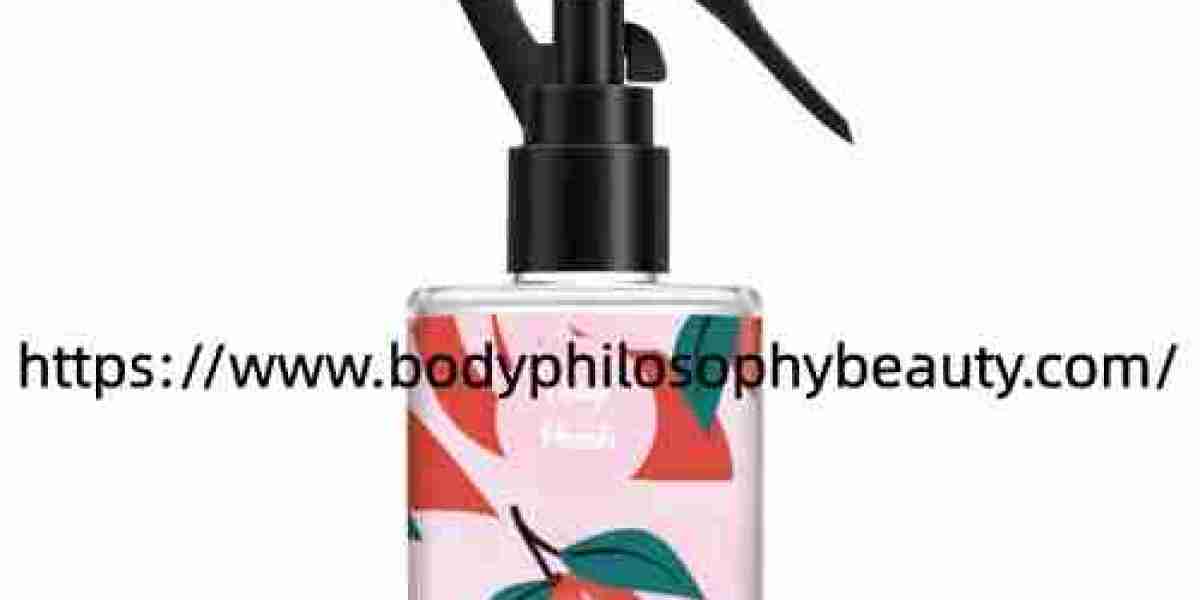
Packaging also plays a meaningful role in attracting attention. A well designed bottle can communicate the personality of a fragrance before customers experience the aroma itself. Soft colors, fruit inspired graphics, and clear product information can create a recognizable visual identity, while a practical spray mechanism supports convenient application. Businesses should consider bottle materials, cap security, label durability, and compatibility with the formula during development. These functional details matter alongside appearance because they influence storage, transportation, retail display, and the experience customers have after purchasing the product.
For beauty brands planning to expand their assortments, a new fragrance category can complement existing skincare, body care, and personal grooming products. Coordinated collections may include matching scent themes across several formats, allowing retailers to create gift sets or seasonal displays. A consistent visual style can also make individual products easier to recognize across online stores and physical shelves. Rather than introducing many variations at once, businesses can begin with a focused selection, evaluate customer responses, and adjust future launches according to actual demand. This approach helps manage inventory while leaving room for further development.
Manufacturers can support this process by working closely with clients throughout product planning. Discussions may cover fragrance direction, packaging specifications, target pricing, order quantities, production schedules, and labeling requirements. Sampling allows buyers to assess aroma characteristics and presentation before confirming their choices. Clear communication about customization options and manufacturing capabilities can also help businesses determine whether a proposed concept fits their commercial objectives. For companies building private label collections, these conversations provide a practical foundation for coordinating product identity with market expectations.
Marketing content is another important part of attracting potential customers. Product descriptions should explain the fragrance character, intended use, packaging features, and suitable application guidance in clear language. High quality product photography can help shoppers assess the bottle design, while short educational articles can address common questions about fragrance selection and daily grooming habits. Seasonal content may also connect a fruity aroma with summer routines, travel preparations, or gift giving occasions without making unsupported claims. Accurate information allows customers to understand what a product offers and make decisions based on their own preferences.
As beauty businesses seek new ways to connect with shoppers, a thoughtfully developed fragrance collection can create opportunities for product differentiation and customer engagement. Manufacturers can work with commercial buyers to discuss personal care products, packaging concepts, and production requirements that align with their business goals. To review available product information and company offerings, visit https://www.bodyphilosophybeauty.com/ By combining appealing scent development, practical packaging, consistent quality standards, and relevant marketing, brands can introduce products that reflect their identity and respond to the interests of their intended customers.