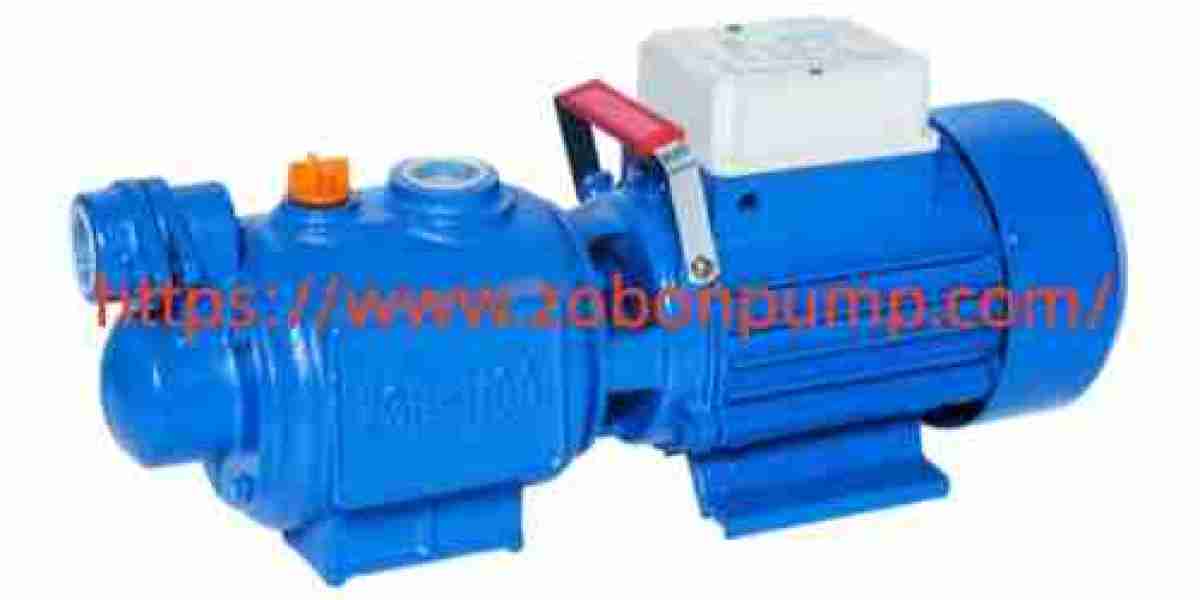

Water Pumps are used across agriculture, construction, manufacturing, commercial facilities, and residential properties, but selecting suitable equipment requires more than choosing a model based on price or appearance. Each application has different water delivery requirements, operating conditions, and installation limitations. A unit designed for garden irrigation may not meet the needs of a deep well or an industrial circulation system. Before making a purchase, buyers should identify the purpose of the installation, estimate the required output, and consider the conditions under which the equipment will operate.
The first step is to define the task. Some users need to transfer water between storage tanks, while others require irrigation for crops, drainage for construction sites, or a consistent supply for production processes. The water source also matters. Clean water from a storage reservoir presents different requirements from water containing sand, leaves, or other suspended material. Buyers should describe the application clearly and check whether the proposed equipment is intended to handle the relevant liquid conditions. This helps narrow the available options and reduces the chance of choosing an unsuitable configuration.
Flow rate is an important specification because it indicates the volume of liquid delivered over a period. A household tank may need a modest supply, whereas a large agricultural field can require substantially greater output. However, choosing a unit based only on its stated flow rate can lead to unrealistic expectations. The actual delivery depends on the complete installation, including pipe length, pipe diameter, fittings, valves, and elevation changes. Buyers should estimate the required volume and compare it with the performance curve or technical data supplied for the specific model.
Total head is another key consideration. It describes the energy needed to move liquid through the system, accounting for vertical lifting and resistance as it travels through the pipes. A deep source, elevated outlet, or long pipeline can increase the required head. When both flow and head are considered together, buyers can evaluate whether the proposed unit is suitable for the intended duty. If the calculations are unclear, sharing the site layout and delivery requirements with a qualified supplier can help clarify the appropriate operating range.
The power source should also match the installation. Electric models can be suitable for locations with a compatible electrical supply, while engine driven options may be considered for remote sites or temporary outdoor work. Solar powered systems can be useful in certain agricultural settings, depending on sunlight availability, daily demand, storage arrangements, and system design. Buyers should compare power requirements, operating costs, service needs, and local conditions before deciding. Electrical protection, ventilation, and safe installation practices should always follow the equipment instructions and applicable requirements.
Construction materials and liquid compatibility deserve attention as well. The liquid temperature, chemical properties, and presence of abrasive particles can influence the suitability of the casing, impeller, seals, and other wetted components. For example, corrosive liquids may require materials specifically selected for chemical resistance, while water containing solid particles may need a design intended to handle them. It is important to confirm these details before ordering rather than assuming that all models can perform the same duties. Accurate information about the liquid helps suppliers recommend equipment within its specified operating limits.
Maintenance and service access can influence the overall ownership experience. Buyers should check whether routine inspection points are accessible, which components may require periodic replacement, and what maintenance instructions are provided. The availability of spare parts and technical assistance may also matter when equipment is needed for scheduled production or seasonal agricultural work. Regular inspection of seals, connections, intake screens, and other serviceable parts can help identify wear before it develops into a larger interruption. A realistic maintenance plan should account for the operating environment and expected hours of use.
Price is worth comparing, but the initial purchase amount does not represent the entire operating cost. Energy consumption, installation work, replacement parts, maintenance time, and expected service requirements all contribute to the overall expense. A model with unnecessary capacity may increase energy use, while an undersized unit may struggle to meet demand. Buyers should compare options against actual requirements and review technical documentation rather than relying on broad marketing claims. Asking suppliers for clear specifications can make the purchasing process more transparent and support a decision based on practical needs.
For buyers evaluating equipment for farms, factories, construction projects, and other applications, a structured assessment of flow, head, liquid characteristics, power availability, and maintenance needs provides a useful starting point. Caifu offers pumping products for customers comparing options across different water handling applications. To review available models and product information, visit https://www.zobonpump.com/product/